A coast that changes shape
This route stays entirely within the coast of Euskadi in Spain, from the Bidasoa estuary to the Bilbao river. It does not append the French Basque coast: that boundary keeps the route, country code and changes of base coherent. The Cantabrian Sea is read from land through working harbours, naval towns, weather-exposed paths, protected estuaries and industrial structures.
A car links sections but should not collect viewpoints. Park once in towns, then walk or use public transport. We give no fixed driving times because traffic, works, parking and weather change them. Check official trail notices, sea state and tides before each walk, and turn back when wet ground or wind makes an exposed edge unsafe.
Tides, safety and mobility
- Park once, protect working space and adapt the walk to sea conditions.
- Tide and mud decide; do not promise a full path when conditions change.
- Use boardwalks, silence and local transport; verify sensitive access.
- Metro and rail usually beat searching for parking on each bank.
Four coastal sections, four decisions
Each section demands tides, mobility and working-space awareness.
Hondarribia and San Sebastián, two maritime thresholds
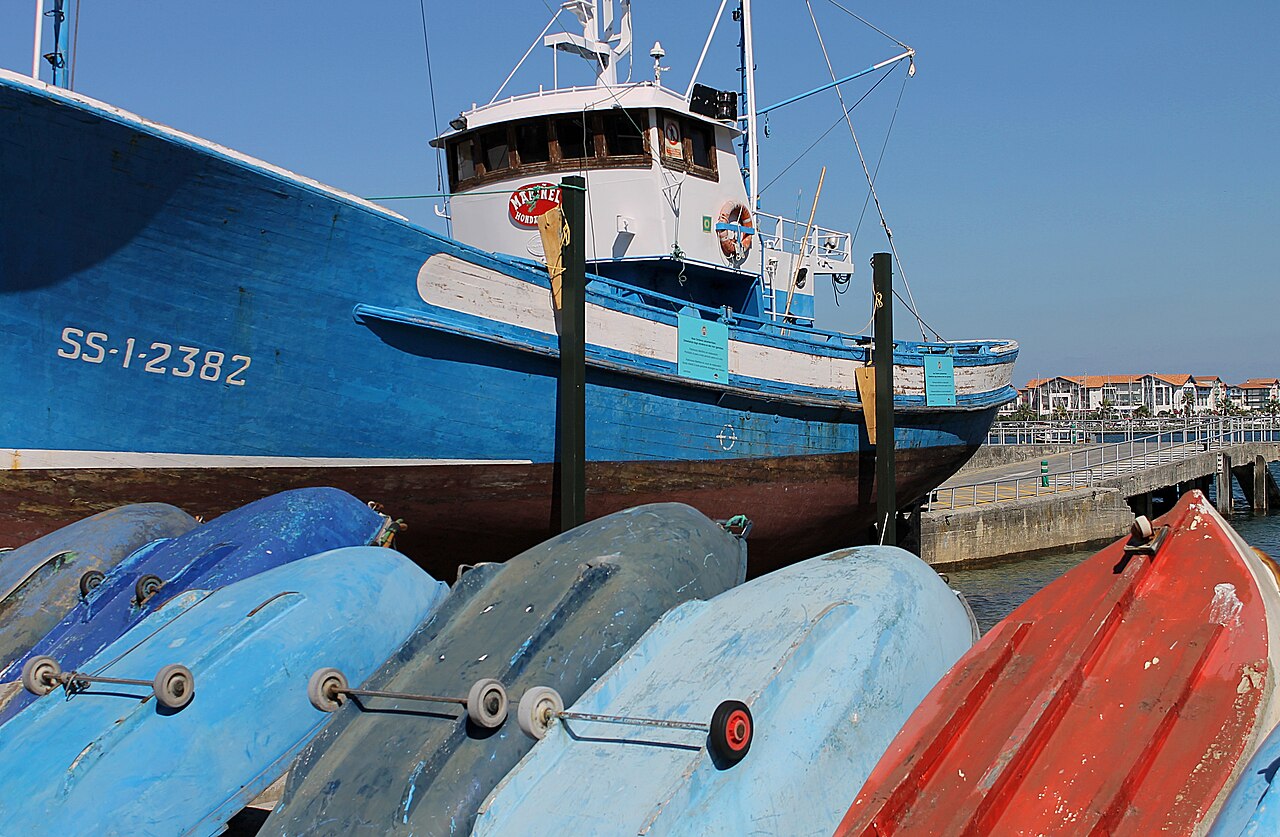
Hondarribia combines a walled town, fishermen’s quarter and the Bidasoa estuary at walking scale. San Sebastián offers another relationship with water through harbour, bays, planned city and markets. Together they show a coast shaped by defence, fishing, trade, leisure and everyday life. Give the morning to Hondarribia without adding a border excursion. Park once in San Sebastián or use public transport, then join harbour and Old Town on foot. Keep working ramps and moorings clear and check seafront closures during rough weather.
Getaria, Zumaia and the flysch record
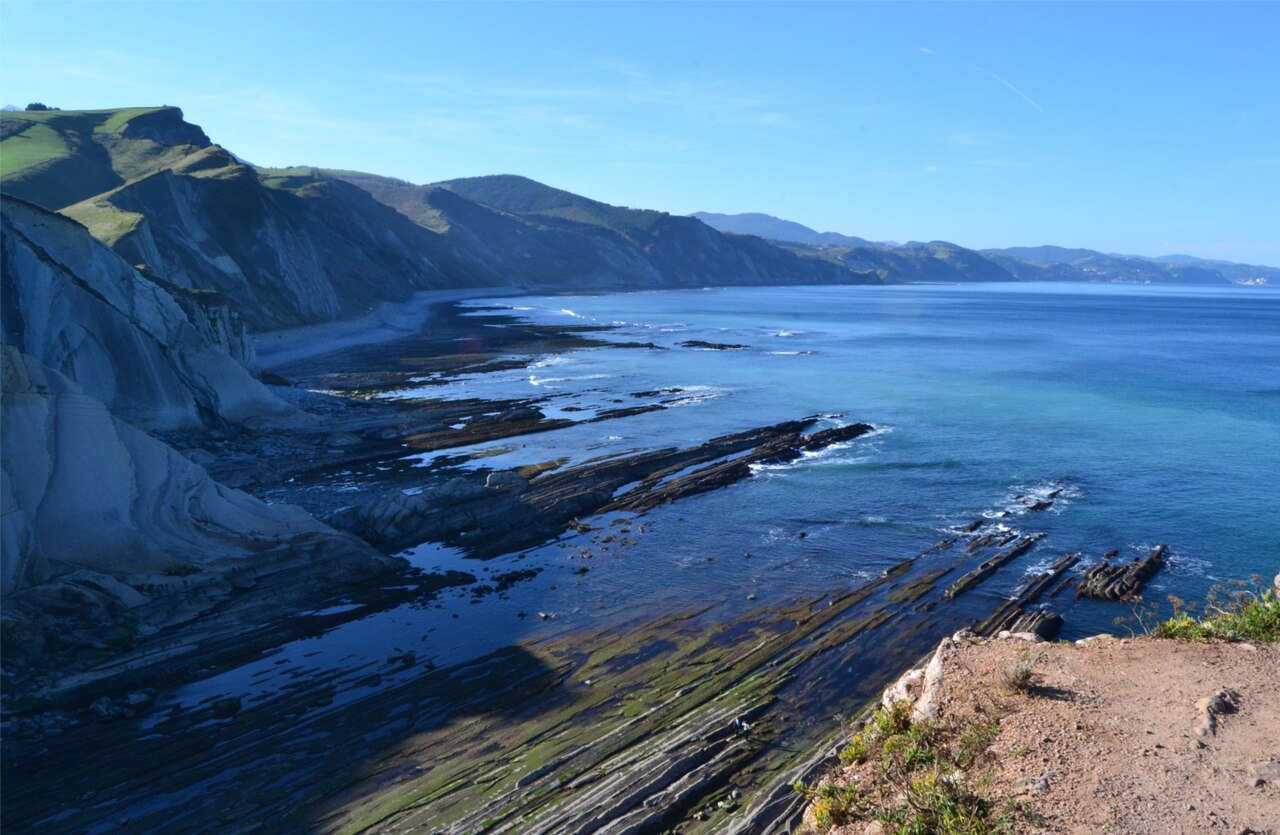
Getaria retains a maritime identity between harbour, old streets and txakoli slopes. At Zumaia, strata in the Basque Coast Geopark preserve tens of millions of years of Earth history. The tidal platform is neither scenery nor a shortcut: geological understanding and coastal work matter more than an exposed photograph. Use authorised geopark centres and routes. Check tide, swell, mud and restrictions before walking; never cross an intertidal platform on an app’s promise alone. Keep Getaria and the geological section separate enough to avoid haste.
Urdaibai, Mundaka and Bermeo
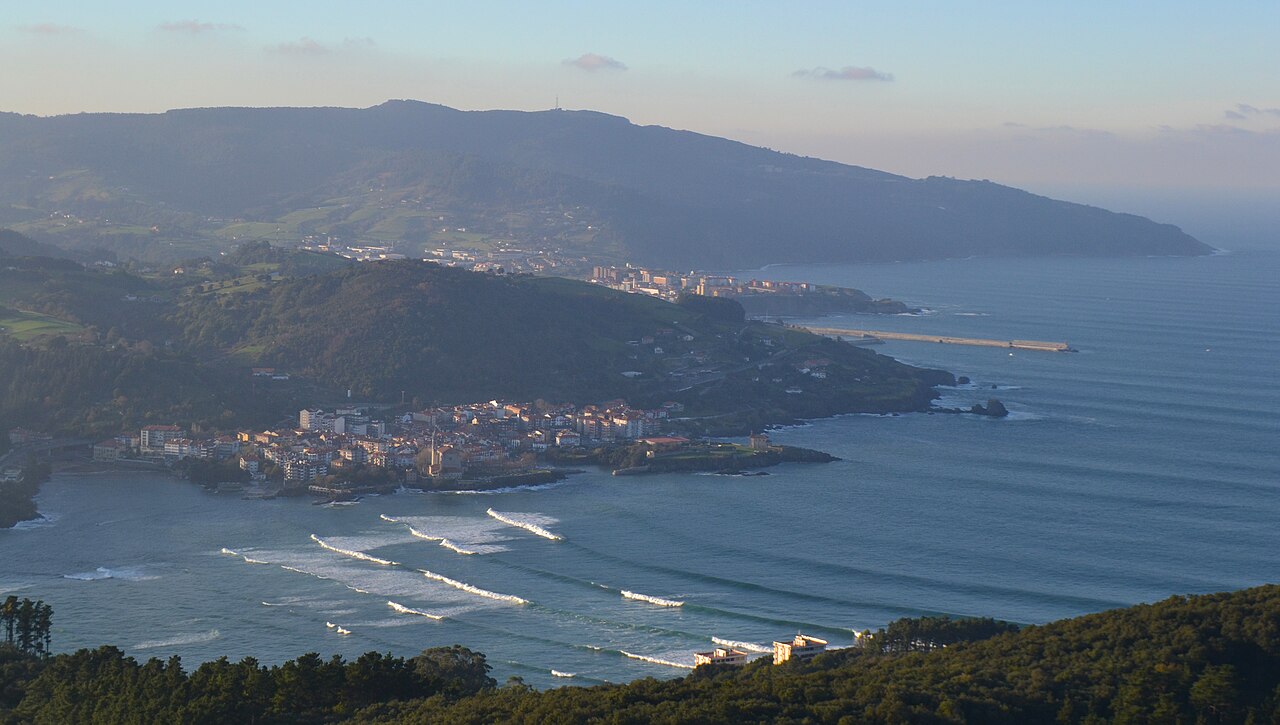
A Biosphere Reserve since 1984, Urdaibai brings together estuary, marsh, beach, evergreen woodland, settlements and human activity. Mundaka and Bermeo explain the river mouth and port traditions without presenting the reserve as empty nature. Check local transport before crossing between banks. Keep quiet, use boardwalks and remain distant from birds. Treat any cape or hermitage as optional after checking current access, not as an automatic detour.
Bilbao river and Vizcaya Bridge
The river connects industrial memory, urban change and the Cantabrian outlet. Completed in 1893, UNESCO-listed Vizcaya Bridge was the world’s first suspended-gondola transporter bridge for people and vehicles. Portugalete, Getxo and Bilbao complete the story begun in small ports. Use metro, train, scheduled boat when operating, or walking sections instead of moving the car repeatedly. Check bridge operation and accessibility officially. Keep a generous margin before departure.
Harbour and estuary
From Bidasoa to Nervión, the Cantabrian Sea shapes landscape and daily life.
Food as a coastal thread
Three table threads without invented restaurants or availability.
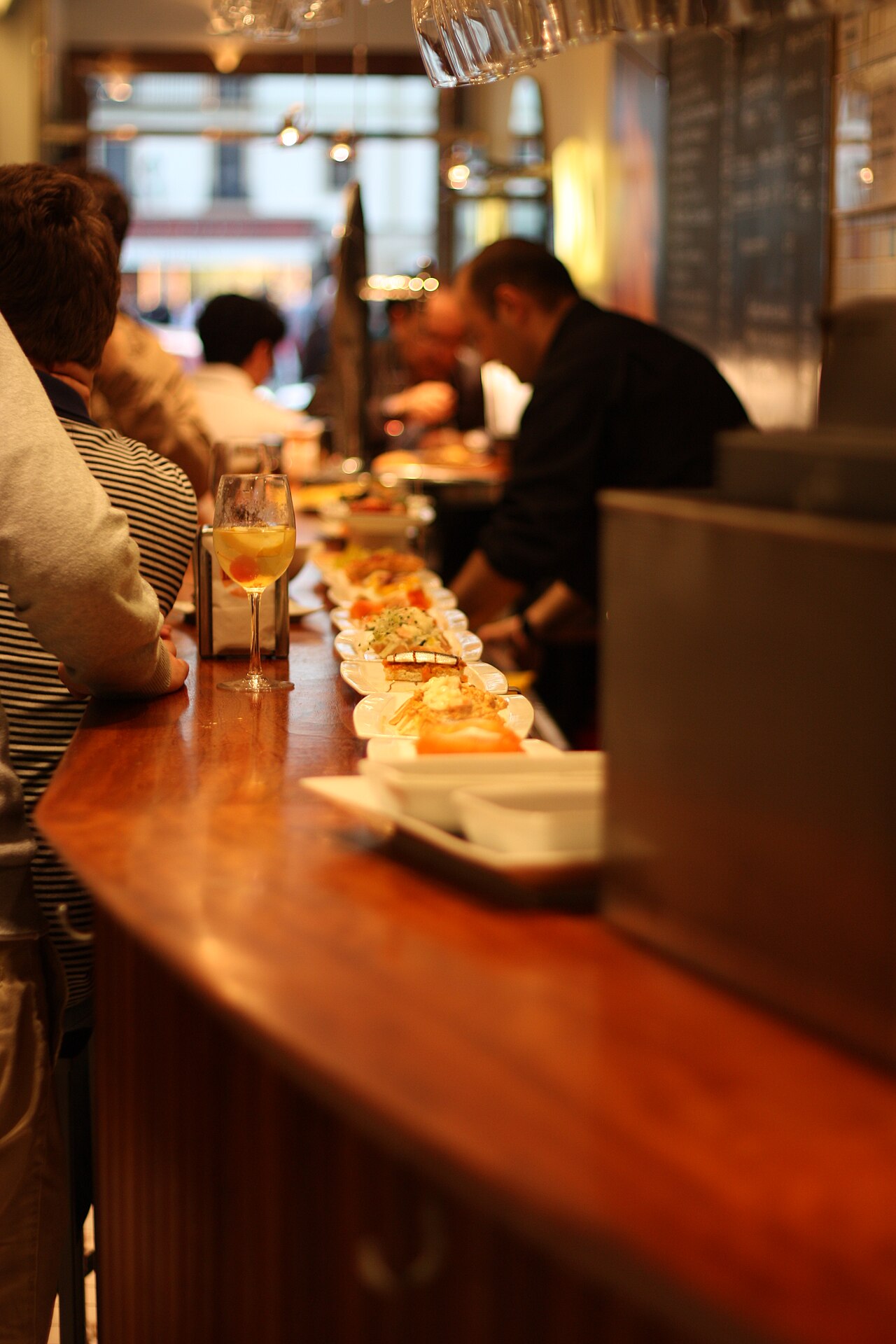
Pintxos with rhythm and judgement
A pintxo is a bar format, not a compulsory restaurant list. Mix cold and cooked pieces, ask how ordering and payment work, and occupy space considerately. One or two well-chosen stops reveal more technique and product than a competition, so this guide names no unsupported venue.
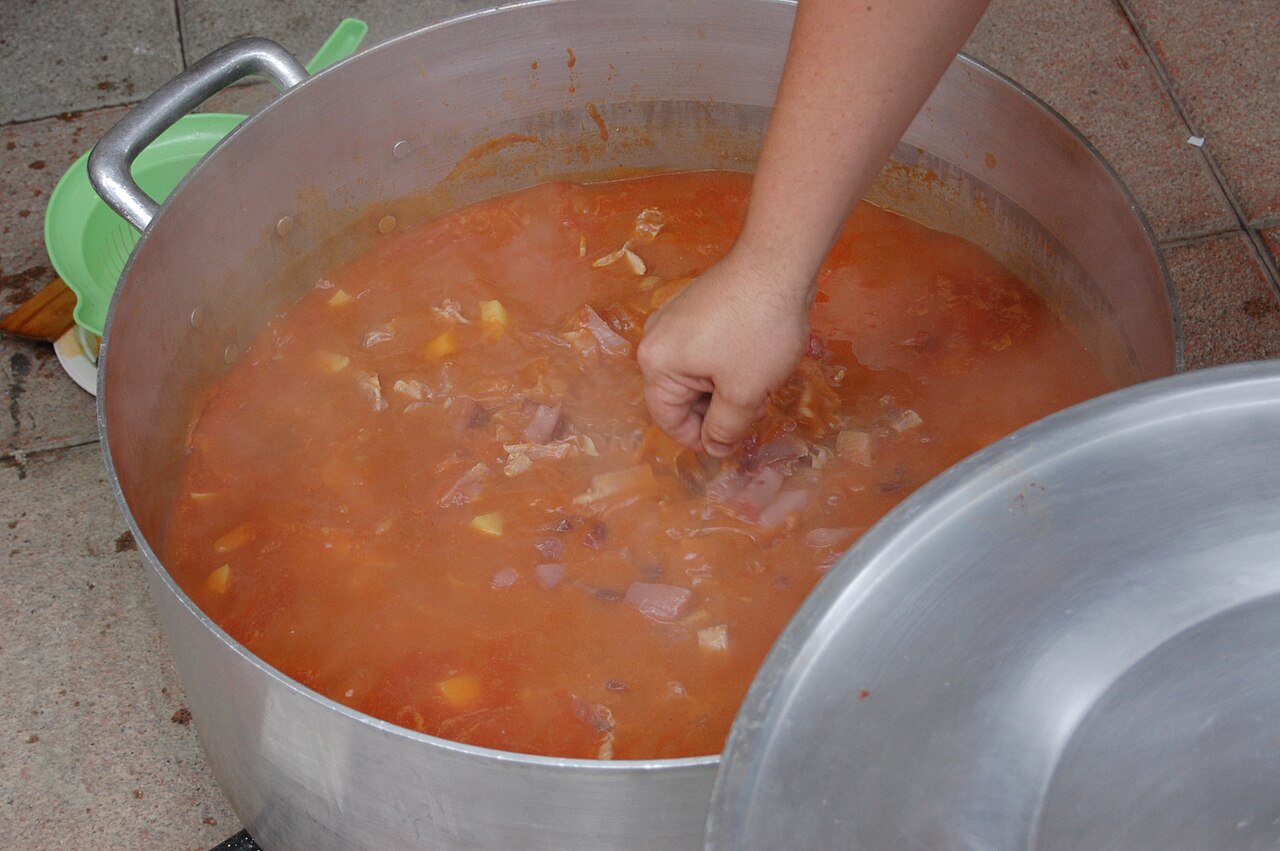
Fish, marmitako and season
Coastal cooking follows landings, season and sea state. Marmitako links tuna, potatoes and cooking aboard fishing boats, but it is not permanently available. Ask what arrived, how it is cooked and how many a whole fish serves; never promise a species or dish on a future date.
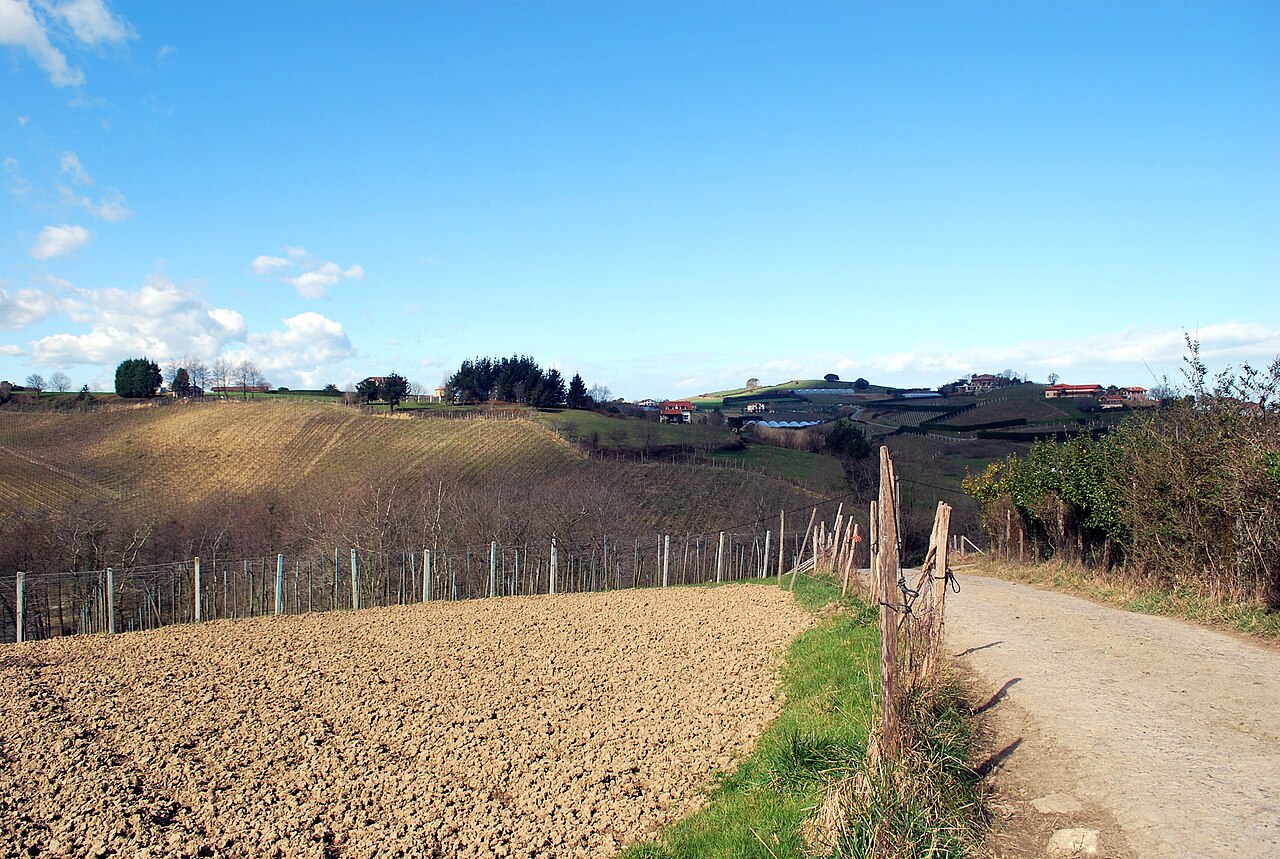
Getaria txakoli and an unhurried table
Getaria txakoli comes from vineyards close to the Cantabrian Sea under a protected designation. Visit producers by appointment with a responsible driver, and ask about vineyard and vintage rather than reducing the wine to pouring theatre.
Choosing a base and transport
Change base deliberately and avoid needless returns.
Hondarribia and San Sebastián
- Starts with border heritage, harbours and bays without returning from central Euskadi. Hondarribia is compact; San Sebastián has stronger transit but harder parking.
- Eastern base by the Bidasoa
You want historic streets, accessible walks and a first pintxo evening.
Getaria and Zumaia
- Shortens harbour, old town and flysch logistics. Local roads and rural access need care in rain; do not assume frequent taxis or a walkable arrival.
- Central base between vineyard and geopark
Geology and sea-dependent paths are priorities, with a night outside a large city.
Urdaibai and Bermeo
- Brings marsh, Mundaka and Bermeo closer, but the two banks demand choices. Check dated public transport timetables.
- Base inside the biosphere landscape
Birds, cultural landscape and a slower living port appeal to you.
Bilbao, Getxo or Portugalete
- Logical for river heritage and rail or air departure. Bilbao favours museums and urban dining; the outer banks favour the bridge and Abra.
- Western base linked by metro
You want industrial heritage and less driving at the end.
Three real bases from east to west
Eastern heritage, central landscape and urban finale have different logistics. Links are references; affiliation activates only when Vagamora declares it and never changes Booking’s price.
Booking.com attribution through the CJ network is active. Links marked as sponsored may generate a commission for Vagamora if a booking is completed, at no extra cost to the user.
Parador de Hondarribia
A Parador inside Hondarribia’s historic castle, with courtyards and estuary outlooks documented by Booking. It supports walking through the old town and Marina; confirm vehicle access, parking and exact room. The listing shows bar, breakfast, en-suite rooms and private parking, while view, size, rate and terms vary. Check accessibility, old-town arrival, breakfast, cancellation and supplements in the selected offer.
Check accommodationHotel Iturregi
A rural Getaria hotel among coastal slopes, with garden, seasonal pool and rooms shown on its verified listing. It suits the central coast but assumes a car or arranged transfer; it is not a harbour hotel reached on foot. Booking documents room types, breakfast and parking, while balcony, sea view, pool access and policy depend on date and category. Check final access, luggage, mobility and cancellation. Always confirm exact conditions on the listing before booking.
Check accommodationHotel Tayko Bilbao
An urban hotel in a restored building beside Bilbao’s river and old town, according to its verified listing. It closes the route on foot and transit, but is not an early Urdaibai base. The listing shows room types, dining, gym and paid parking. View, breakfast, bed and quiet vary: compare exact room, accessibility, vehicle terms and departure time. Always confirm exact conditions on the listing before booking.
Check accommodationInstitutional sources for planning
- Basque Coast Geopark
Geology, interpreted routes and visitor conditions in the geopark.
- Euskotren · network and timetables
Official channel for checking lines, timetables and notices before linking sections without a car.
- Urdaibai Biosphere Reserve
Institutional information on the estuary, habitats and responsible use of the reserve.
- UNESCO · Vizcaya Bridge
Heritage record for Vizcaya Bridge and its historical significance.