The city changes with elevation and time
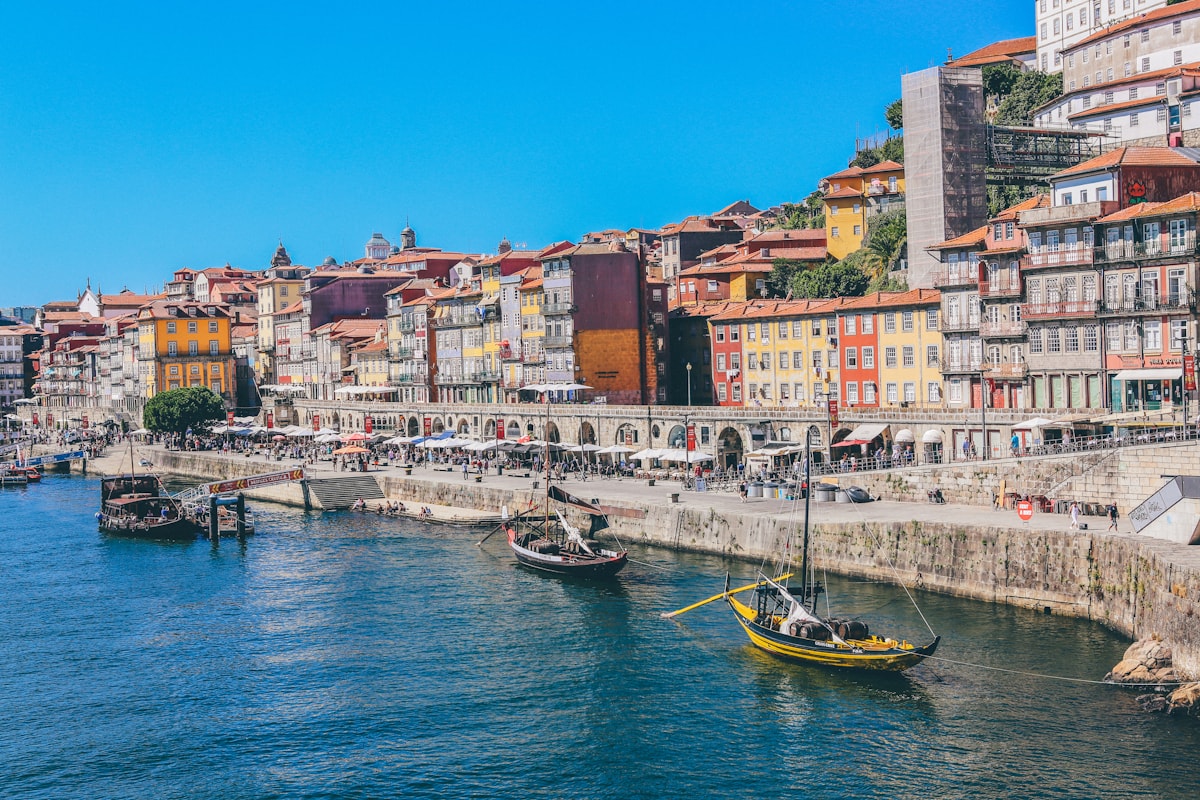
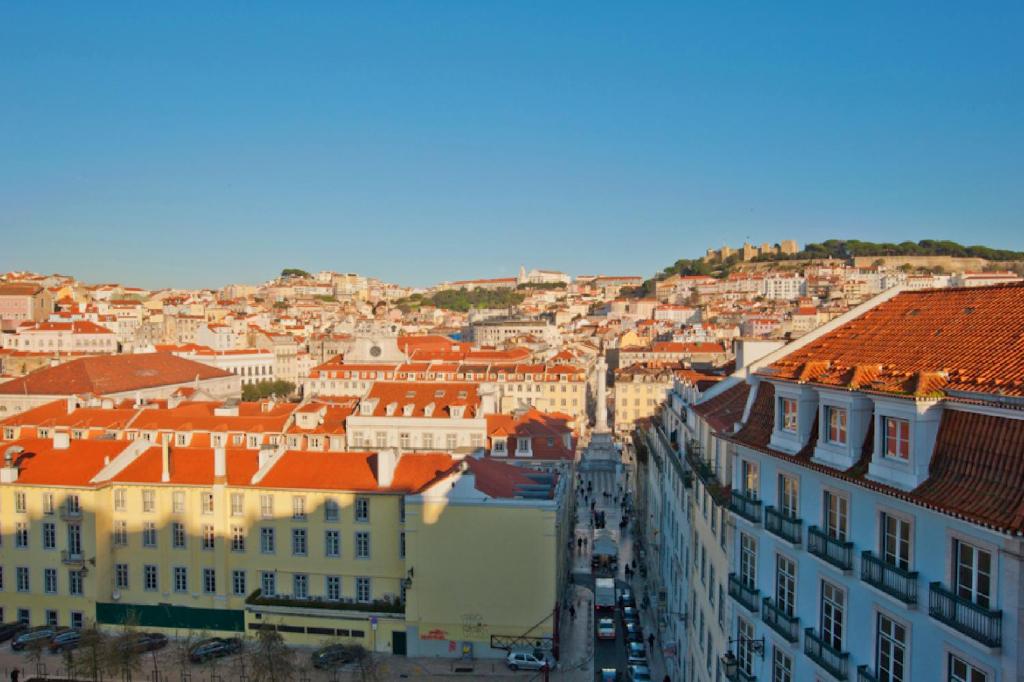
Lisbon becomes clearer when the map turns into a sequence of slopes, tiled façades and deliberate pauses. This guide links Alfama and Graça, the ordered streets of Baixa and Chiado, residential Estrela and Campo de Ourique, and monumental Belém by sensible walks, metro, tram, bus and suburban train.
Five days allow the city to breathe: enter a church before the heat builds, study an azulejo panel, eat according to the market and choose a house that shortens daily journeys. Opening times and engineering works change, so check official sources and treat the historic tram as one useful link rather than the only way to travel.
Use public transport to cross the steepest levels and your feet to read each district, leaving time to look, eat and return. Keep doorways and pavements open in residential lanes, lower your voice and remember that trams are shared transport.
One day stitched between hills and waterfront
This is not a closed checklist: each time band proposes a corridor and a public-transport fallback so the route can respond to heat, mobility and current opening times.
- 01
07:30 · Alfama before the main footfall
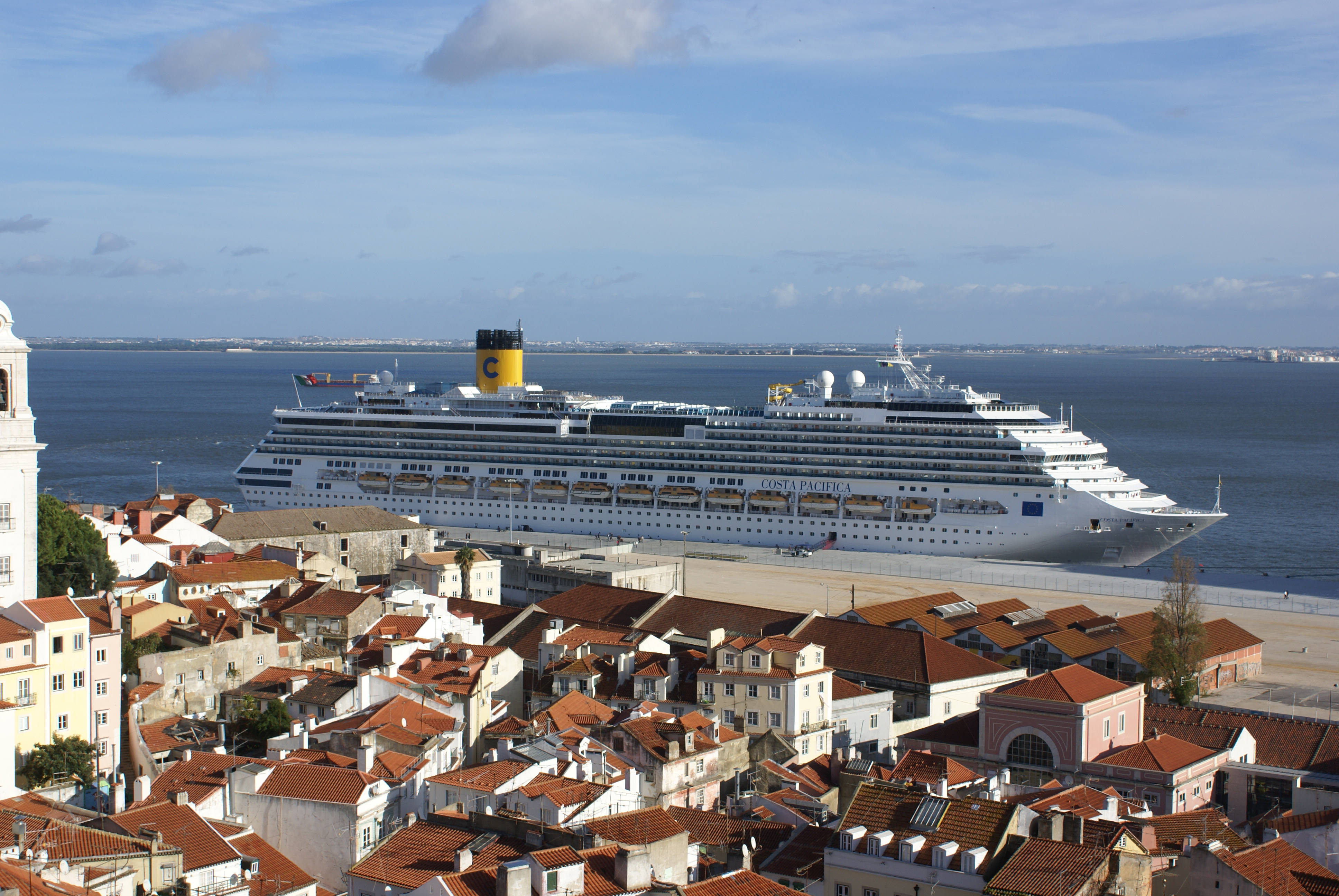
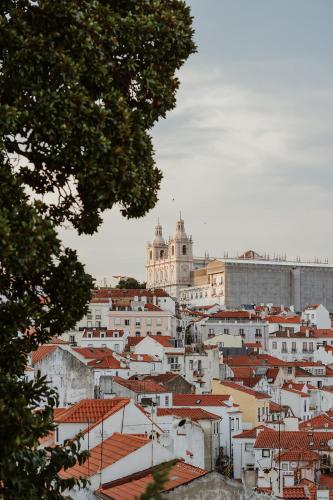
Alfama slows every walk between the cathedral, Santa Luzia and stairways opening towards the Tagus. Higher Graça brings broad viewpoints and a more residential rhythm. Together they reveal Lisbon’s topography, layers older than the Pombaline grid, and streets where daily life continues beside fado venues. Arrive by metro at Santa Apolónia or Martim Moniz, then climb in short sections. Neighbourhood buses remove the hardest elevation; use a tram for a chosen leg and keep residential doorways clear.
- 02
10:30 · Downhill towards Baixa and Chiado
Baixa sets out the post-earthquake city through measured façades, straight streets and civic squares. Climbing into Chiado changes the register: theatres, bookshops, churches and cafés occupy a cultural hillside with passages towards Bairro Alto, São Bento and the river stations below. Use the blue or green metro line for this central district. Rossio, Baixa-Chiado and Cais do Sodré are the useful stations. The lift often has queues; escalators and parallel streets provide practical alternatives when the aim is simply to change elevation.
- 03
15:30 · Estrela and Campo de Ourique
West of the centre, Estrela combines a leafy garden and basilica with tiled houses and routes towards São Bento. Campo de Ourique keeps a neighbourhood scale through its market, bakeries and everyday shops, making it easy to pair lunch with close observation of doorways and ceramic details. Tram 25E serves Campo de Ourique when it is running on its published route. Several city buses also cross Estrela. Check CARRIS service notices and arrange the walk downhill whenever temperature, tiredness or mobility makes that the kinder choice.
- 04
18:00 · Belém and Ajuda beside the Tagus
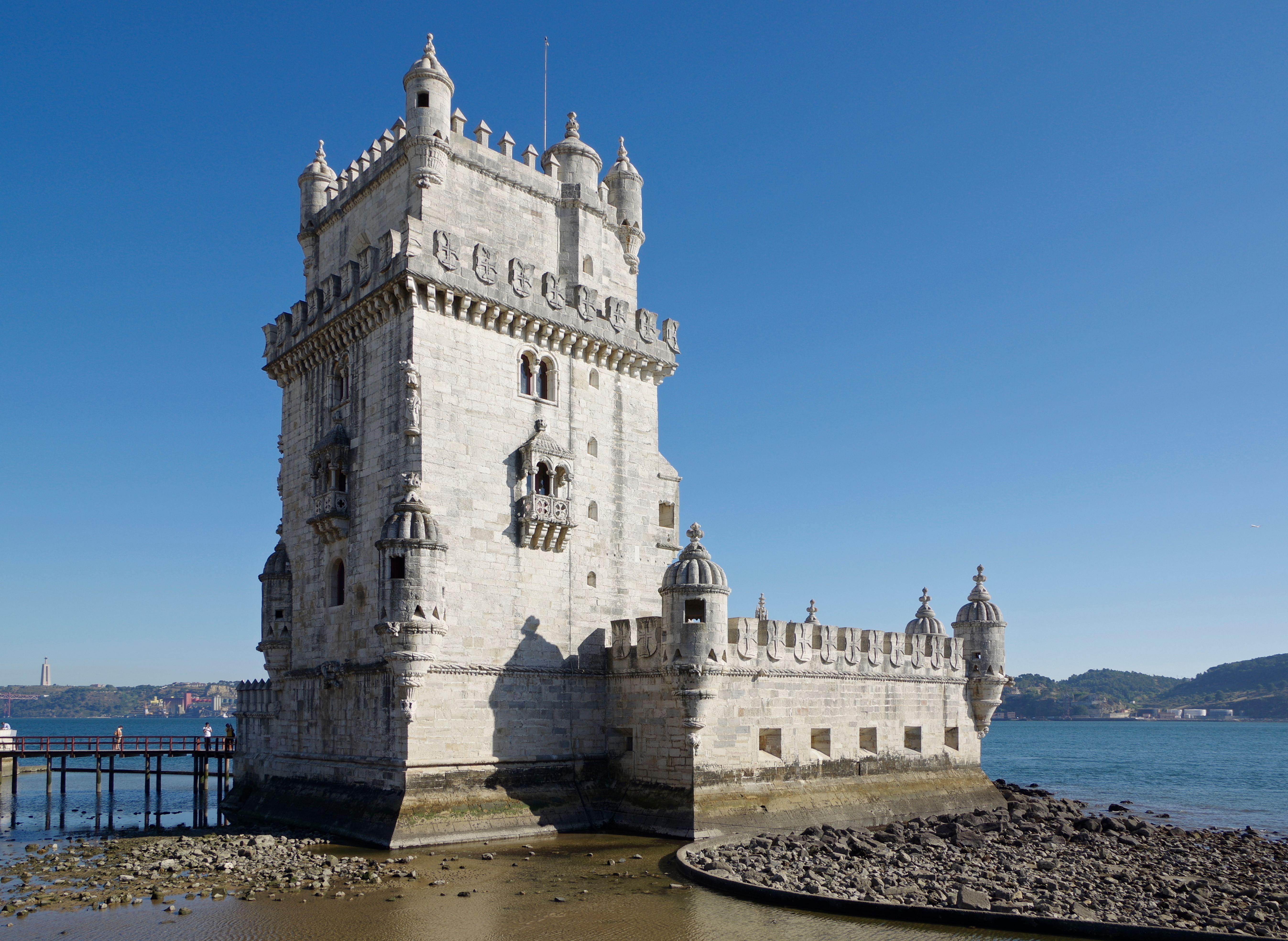
Belém gathers the UNESCO-listed Jerónimos Monastery and Tower beside museums, gardens and the open estuary. Continuing uphill to Ajuda adds a palace, quieter streets and a different view of the waterfront, preventing the western district from becoming only a pastry stop and a photograph. Tram 15E, buses and the Cascais railway reach Belém. Verify official closures, separate major interiors rather than stacking them, and take a bus for the climb to Ajuda if energy is limited.
Choose a base by elevation
An address determines more daily journeys than it first appears. These bases differ in access, return route and neighbourhood life.
Alfama / Graça
Staying here places old Lisbon outside the door and makes dawn or evening exploration easy. Narrow streets may prevent direct car access, luggage requires forethought and several routes are steep, so confirm the exact approach with the property before arrival. Choose it when historic atmosphere and river views matter more than flat, direct access to every district.
Baixa / Chiado
This is the simplest base for combining metro, train, ferry and walking, with culture and dining late into the evening. Visitor numbers are high and some streets are noisy; a secondary address or inward-facing room can make a meaningful difference. A strong choice for a first visit, a short stay or anyone who wants a midday return to the room.
Estrela / Campo de Ourique
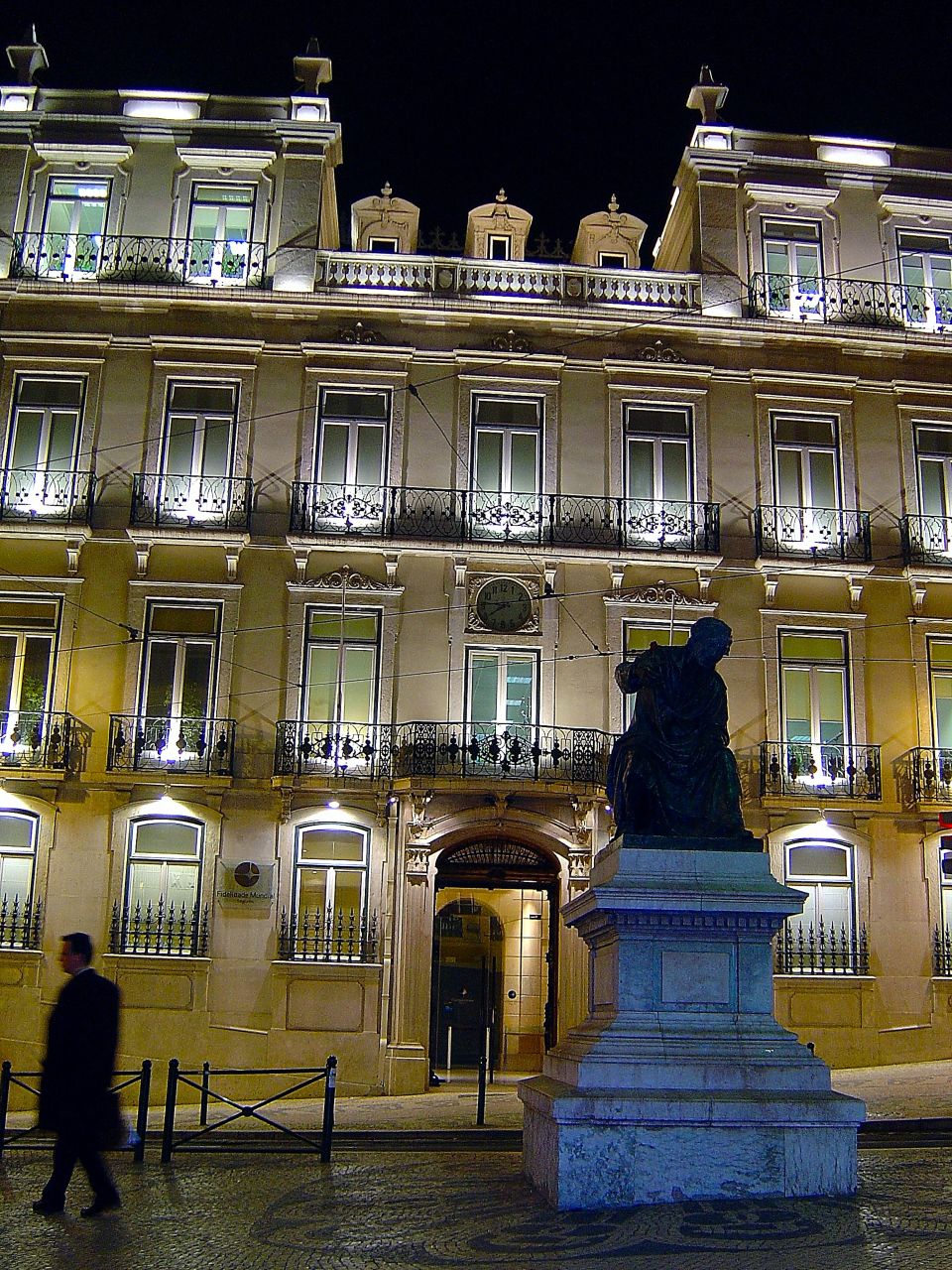
Gardens, a market and independent shops create a domestic rhythm with reasonable links to São Bento and Alcântara. Metro coverage is thinner, so buses and trams become part of the plan and live notices deserve a check before each outing. Pick this area for calm mornings, nearby dinners and a less theatrical relationship with the city.
Belém / Ajuda
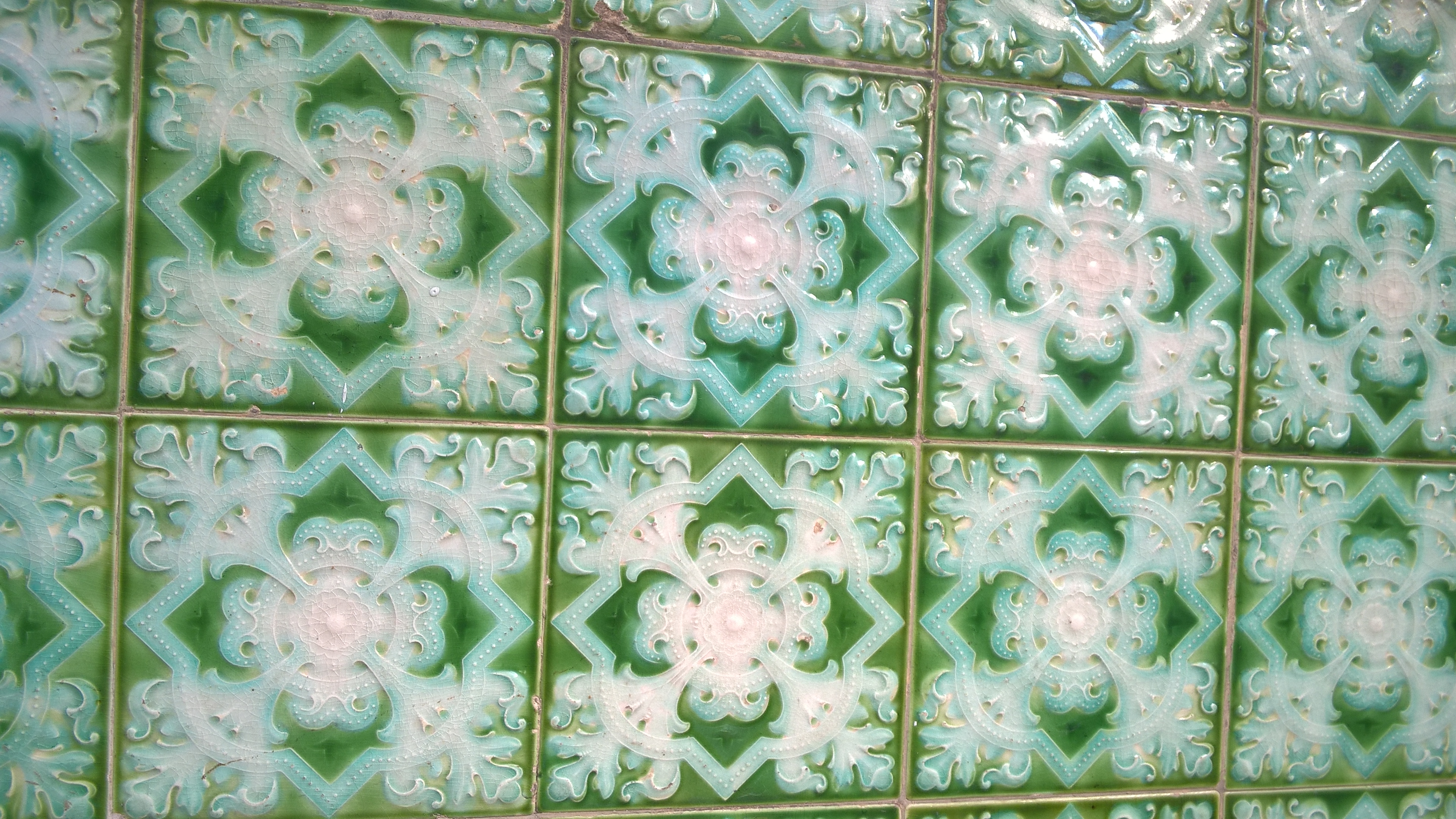
A western address permits early monument visits and quiet walks after day visitors leave the waterfront. The evening centre sits farther away, though rail, tram and bus remain workable when return times are planned rather than improvised. It fits travellers who prioritise museums, Manueline architecture and rest over nightly outings in Baixa.
Logistics worth settling first
Check service notices on the day and keep a step-free or lower-gradient alternative whenever it is needed.
- Cobbles and gradients are demanding; stable shoes and scheduled pauses improve the day considerably.
- Baixa-Chiado exits emerge at different elevations, so read the exit name before leaving the station.
- Trams may be diverted by works; CARRIS notices and ordinary buses are the most useful fallback.
- Buy through official channels and never assume that neighbouring monuments follow identical closing days.
- Keep doorways and pavements open in residential lanes, lower your voice and remember that trams are shared transport.
- Gradients, cobbles and exits at different elevations change the real difficulty; check lifts, accessible stations and diversions before setting out.
Three stops between one district and the next
Food belongs inside the route as a pause rather than an inventory of addresses.
Pastéis de nata
The flaky custard tart is best judged warm, with cinnamon only if wanted, and it does not belong to one address. Belém has a particular pastry history, while elsewhere a busy local counter and a fresh batch can matter more than joining a famous queue without asking why.

Bacalhau à Brás
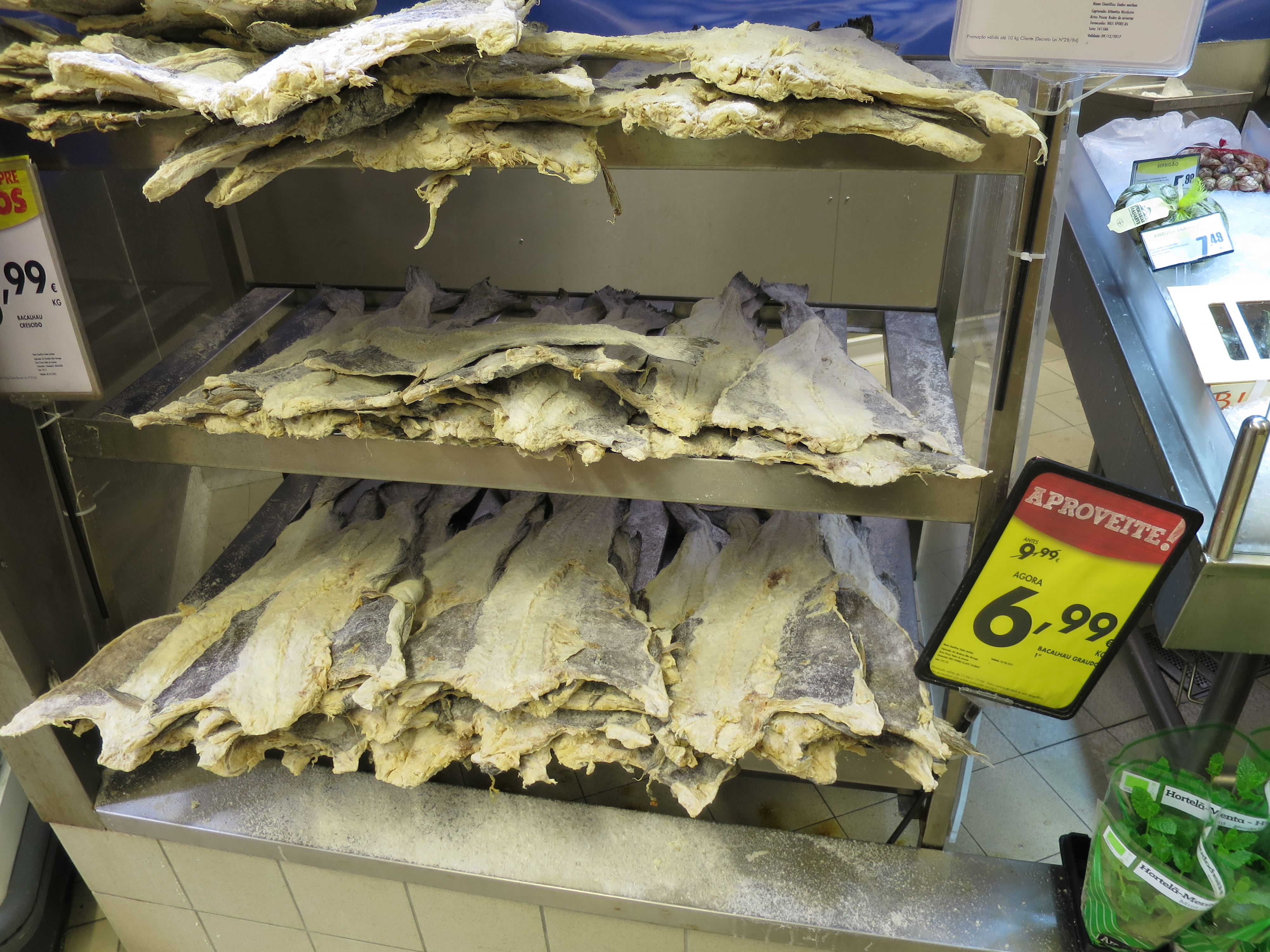
Shredded salt cod, fine potatoes, egg and olives turn preserved pantry ingredients into an urban comfort dish. Texture varies by kitchen and the plate is most satisfying while still moist; ask about portion size and pair it with vegetables or soup on a food-heavy day.
Bifana and market cooking
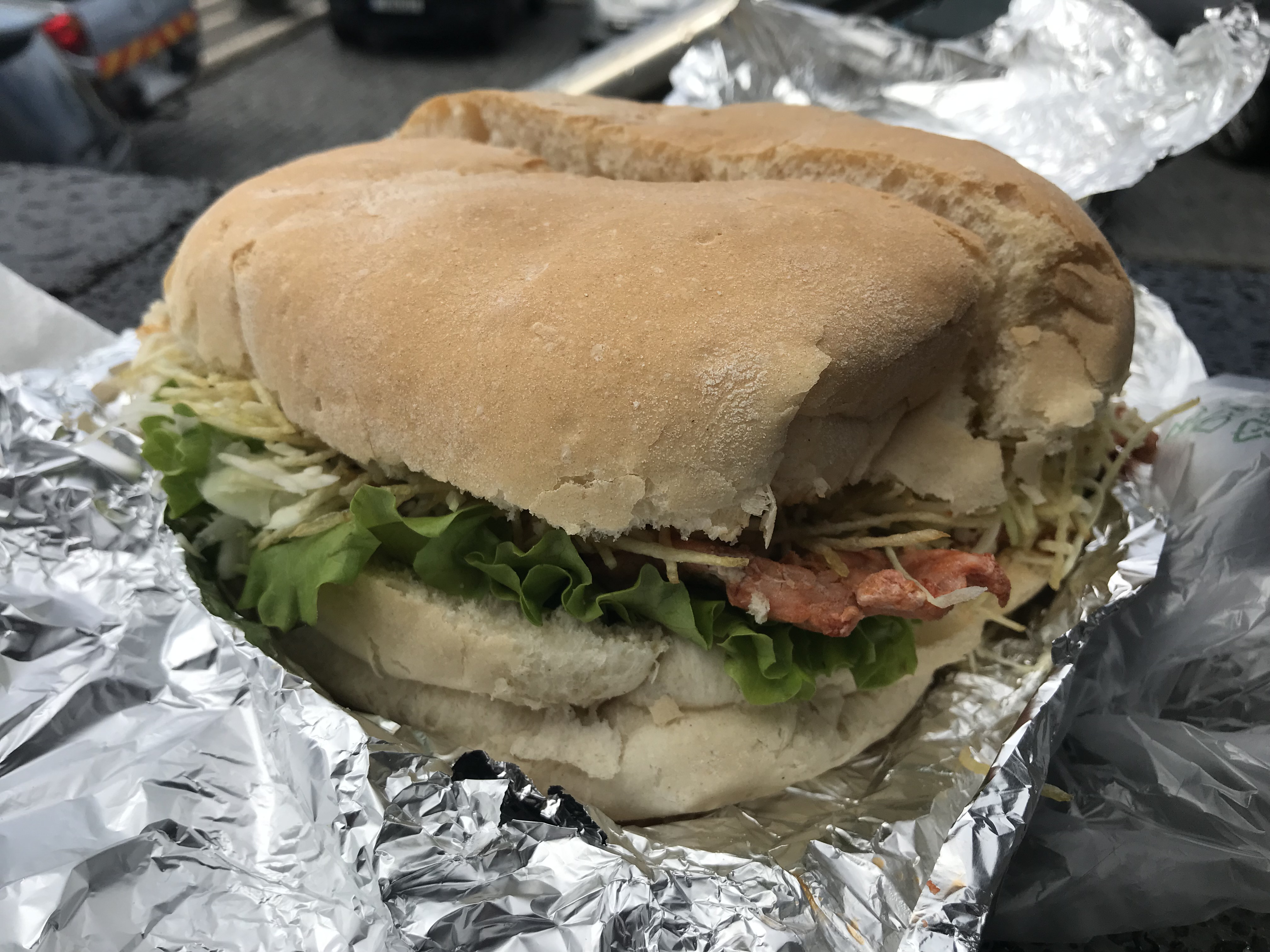
A bifana brings seasoned pork and its juices into bread, a short meal that supports a long walk. Alternate it with soup, daily fish and market vegetables to meet a less ceremonial Lisbon, observing what regular customers order instead of equating every tourist menu with tradition.
Three bases that shorten daily journeys
Real accommodation at three different elevations; check room category, access and current conditions before booking.
Booking.com attribution through the CJ network is active. Links marked as sponsored may generate a commission for Vagamora if a booking is completed, at no extra cost to the user.
Memmo Alfama - Design Hotels
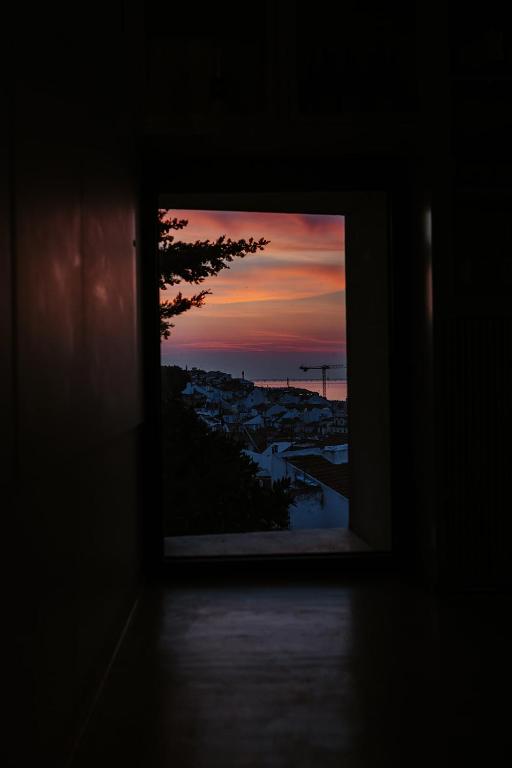
A refurbished late nineteenth-century building in Alfama with a terrace, outdoor pool and Tagus views, as confirmed on its Booking listing. The address enables an early start through old Lisbon and a walk home after the viewpoints have quietened. The verified listing describes a 24-hour reception, wine bar, breakfast and design-led rooms, while noting that photographs may be processed. Surrounding lanes are narrow and steep, so ask how luggage reaches the door and do not assume simple vehicle access. This property suits couples prioritising Alfama, a river outlook and a compact house with shared spaces.
Check accommodation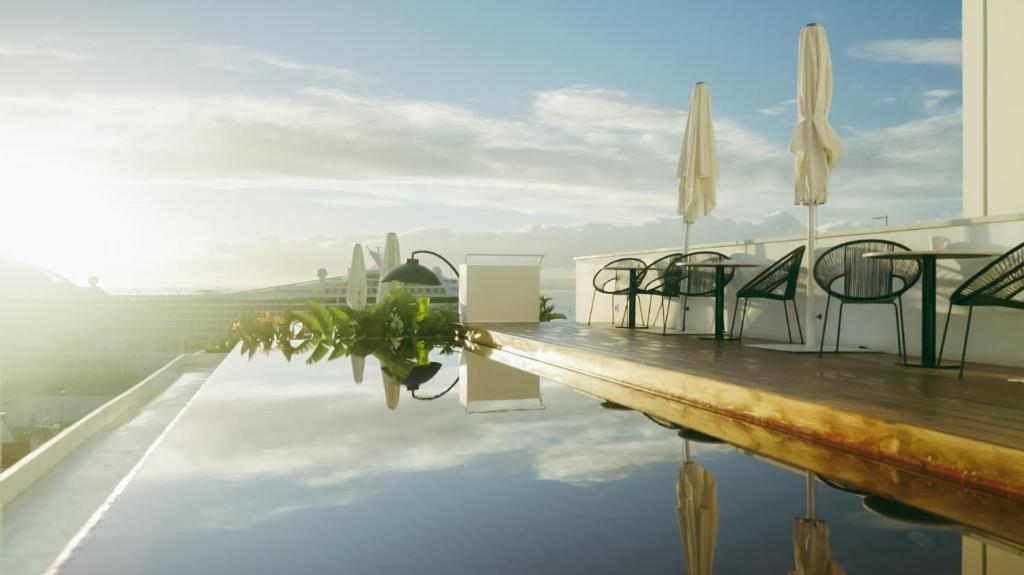
Casa Balthazar
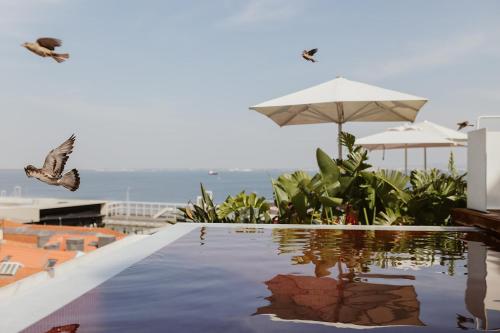
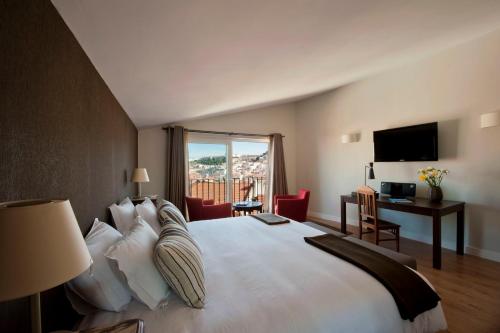
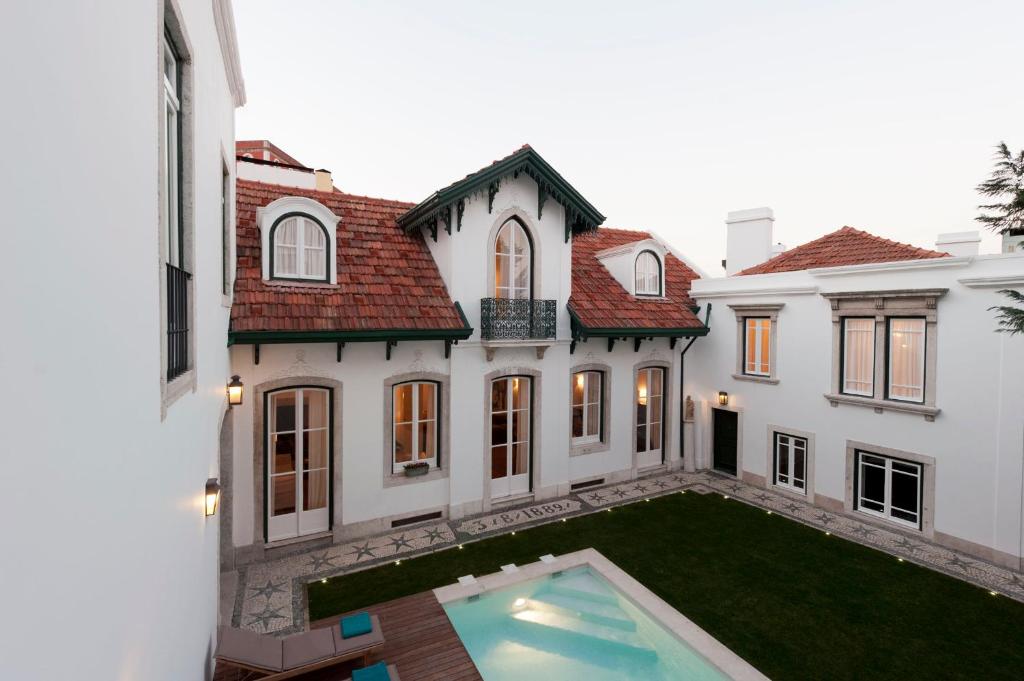
An independent property close to Rossio and Restauradores with a garden and pool in an intimate house. Nearby metro and railway stations simplify urban days and an optional train excursion without turning the itinerary into a driving holiday. Booking lists spacious rooms and suites, some with balconies or broad views, plus selected units with cooking and dining areas. Layouts and outlooks differ, making the exact room category and current cancellation terms more important than a general photograph. It suits travellers seeking central connections, railway access and a quiet pause between long city walks.
Check accommodation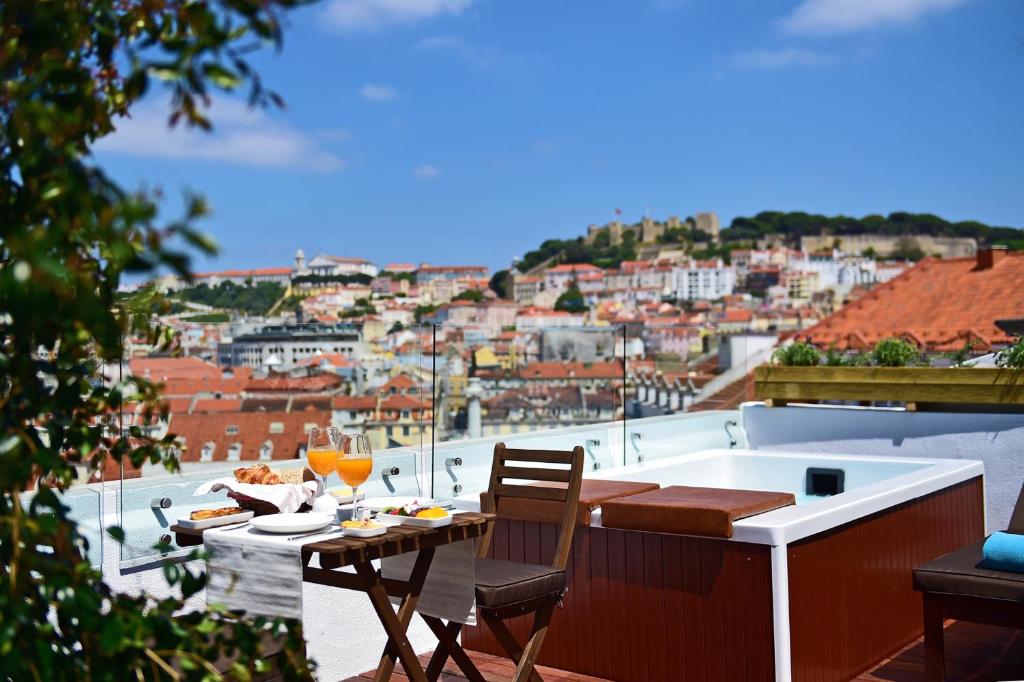
Palácio do Governador - Lisbon Hotel & Spa
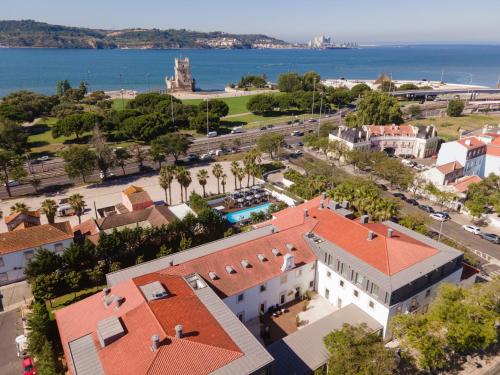
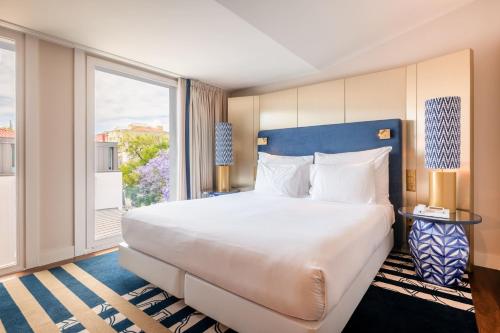
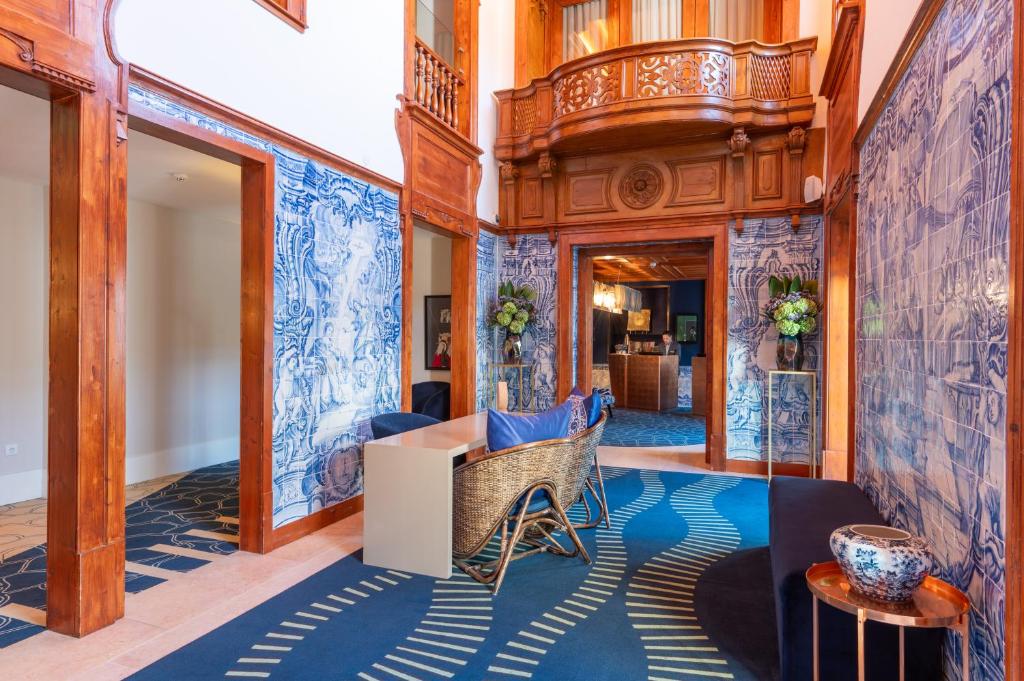
A hotel and spa in a historic Belém building beside the Tower and major western monuments. Listing photographs show outdoor pools, azulejo-lined interiors and varied rooms, supporting its role as an early-start base for this heritage district. The property states that it has sixty different rooms, spa facilities and dining spaces; availability and operating hours may vary. Belém shortens morning journeys to monuments but requires a planned evening return from central Lisbon by train, tram or bus. The hotel suits guests focused on heritage, the riverfront and rest away from central nightlife.
Check accommodation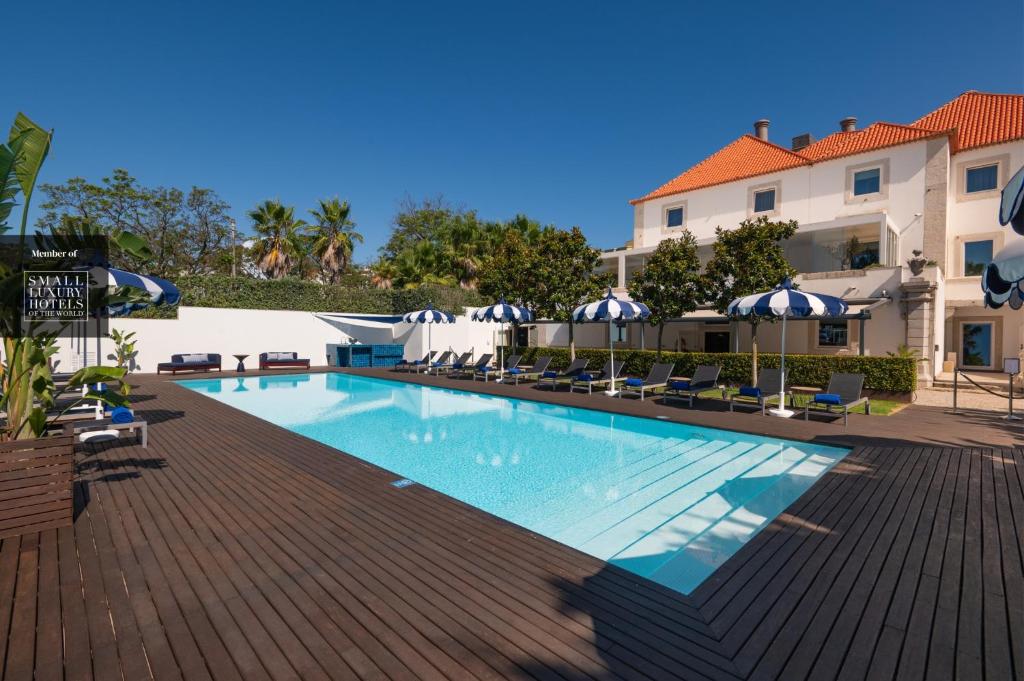
Official sources for planning the route
Use these pages to verify heritage, services and access. Recheck timetables and disruptions for the actual travel date.
- CARRIS · 15E Praça da Figueira–Algés
Official source for checking routes, access, service and current conditions before visiting.
- CARRIS · 25E Praça da Figueira–Campo de Ourique
Official source for checking routes, access, service and current conditions before visiting.
- Metropolitano de Lisboa · estado de linhas e elevadores
Official source for checking routes, access, service and current conditions before visiting.
- navegante · acessibilidade e mobilidade reduzida
Official source for checking routes, access, service and current conditions before visiting.
- Museus e Monumentos de Portugal · Torre de Belém
Official source for checking routes, access, service and current conditions before visiting.
- Museus e Monumentos de Portugal · Mosteiro dos Jerónimos
Official source for checking routes, access, service and current conditions before visiting.
- Comboios de Portugal · Lisbon urban trains
Official source for checking routes, access, service and current conditions before visiting.
- UNESCO · Jerónimos and Belém Tower
Official source for checking routes, access, service and current conditions before visiting.