Three bases create three different trips
Puglia is long and narrow, so choosing a base matters more than collecting miles.
Ostuni and the Itria Valley
- White towns, olive groves and access to the central coast
- Well placed for Cisternino, Locorotondo and Monopoli
- The old town is steep and parking is limited
- Lecce and the far south are too distant for a practical day trip
Choose it for countryside, towns and the central Adriatic; park outside the old town and walk in.
Lecce and Salento
- Lecce architecture and access towards both coasts
- An urban base with services and rail connections
- Small coves and inland towns may require a car or seasonal buses
- It is inefficient for Bari and northern Puglia
Use it when the south is the priority: Lecce, Otranto, Gallipoli and the Salento coast.
Bari and the central coast
- Straightforward rail arrival and coastal day trips
- A practical choice for Polignano a Mare and Monopoli
- Less rural immersion than an Itria Valley masseria
- Journeys into Salento consume too much time
It suits a car-free trip built around towns on the Adriatic railway.
Season and transport redraw the map
Check official timetables before fixing each leg.
- Spring and autumn generally suit town walks and countryside visits better; the sea need not be the centre of the trip.
- In summer, book accommodation, long-distance trains and sought-after tables early, and avoid combining long drives with old-town visits at the hottest time of day.
- Trenitalia serves the Adriatic axis, while Ferrovie del Sud Est covers parts of the inland network. Services change, so verify the exact journey.
- A car gives flexibility between masserie, olive groves, coves and towns without stations. It is optional for a strict Bari–Polignano–Monopoli–Lecce rail route.
- Split the journey between two bases if you want both the Itria Valley and Salento; daily return drives waste the time the plan should protect.
Five territories that are not interchangeable
Each stop answers a different geographical and transport question.
Ostuni
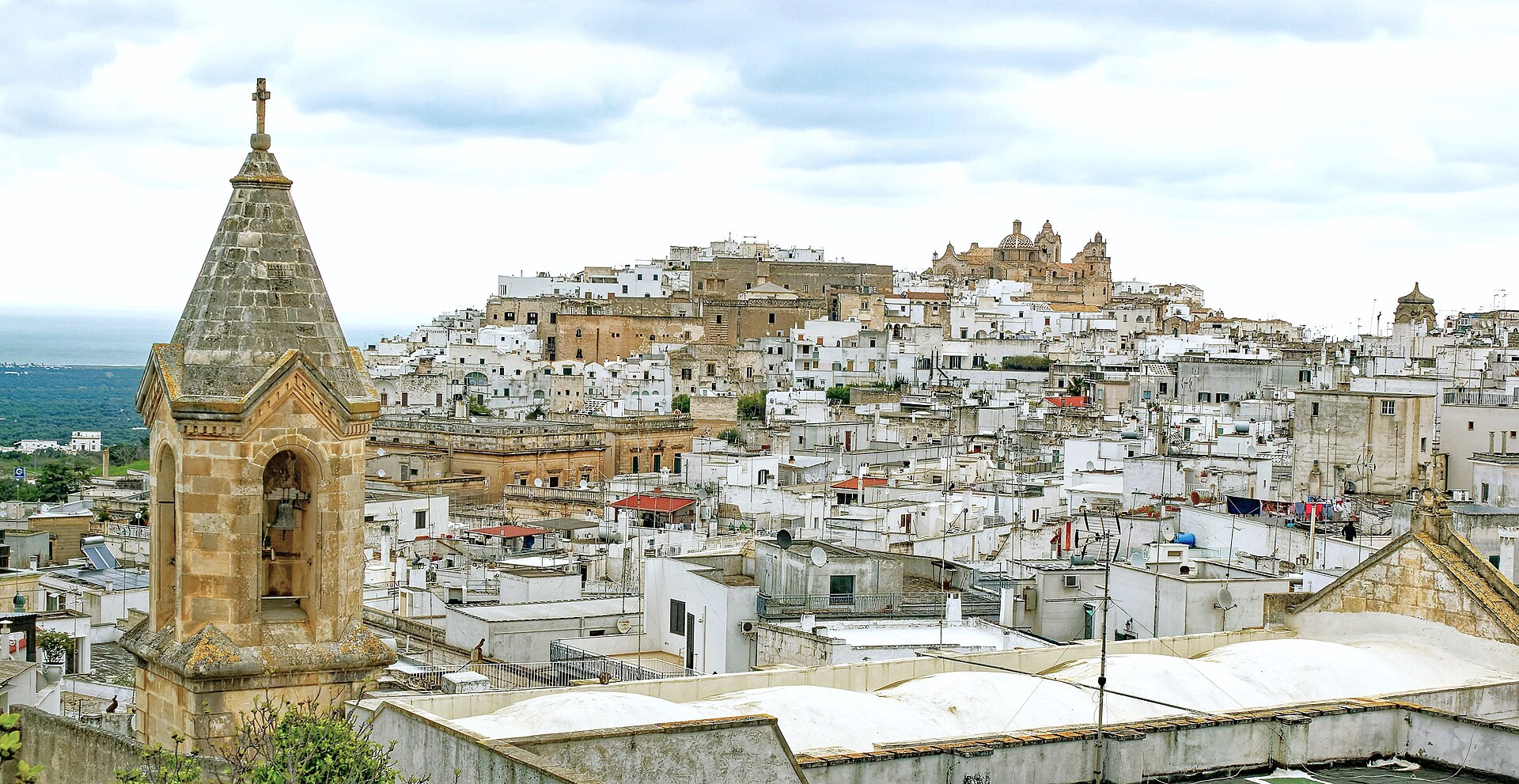
Ostuni’s white profile rises above the plain, making sense as a base between old town, olive country and coast. Explore the centre on foot and use the car only beyond it.
Locorotondo, Cisternino and Alberobello
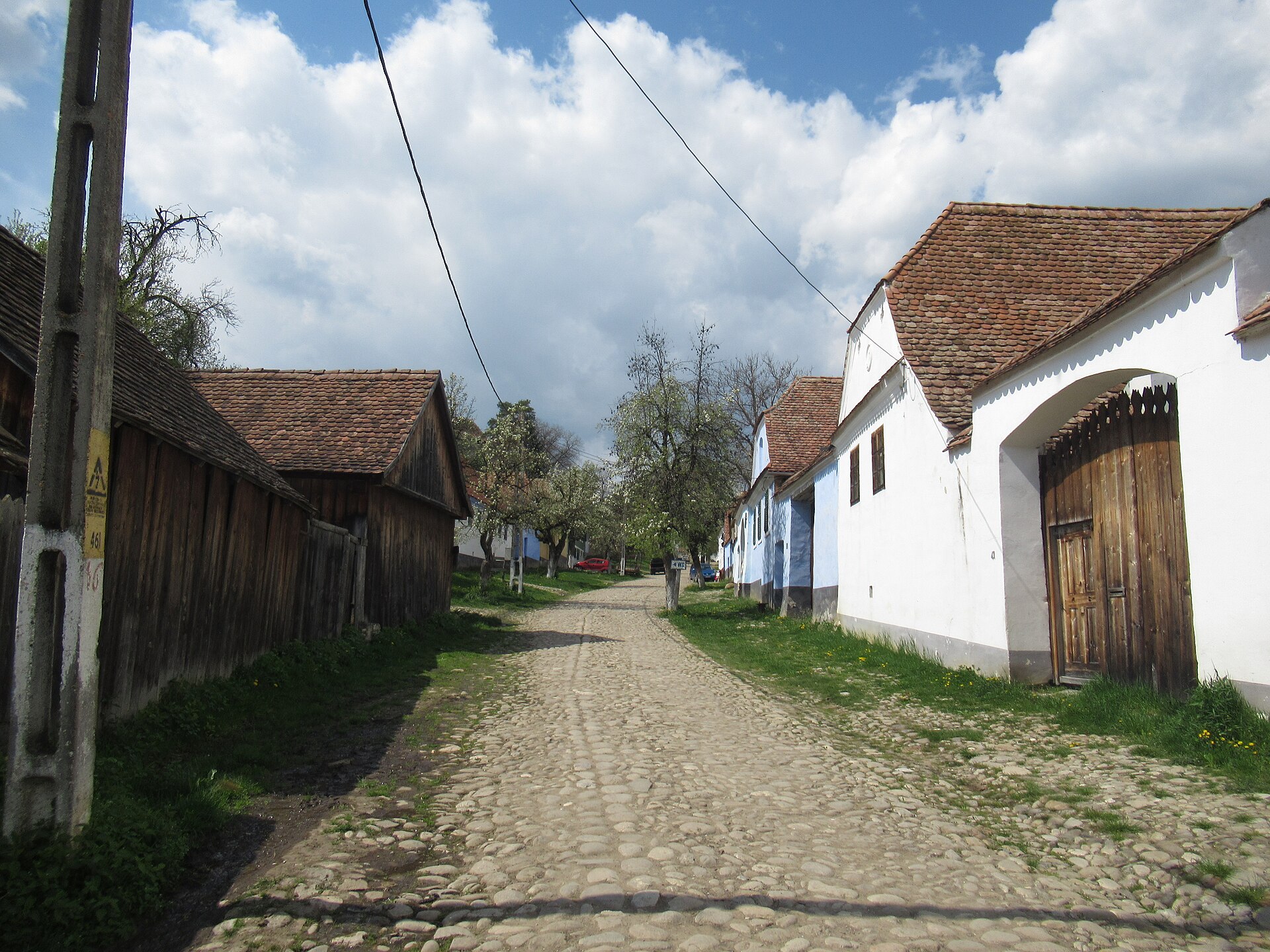
The Itria Valley brings together trulli, dry-stone walls and compact towns. Do not turn them into a checklist: choose two and keep time for the rural roads between them.
Monopoli and Polignano a Mare
The central coast combines harbours, old towns and rail access. It is the easiest way to add the Adriatic to a trip without driving every day.
Lecce
Lecce’s warm stone and carved facades deserve a full urban day. Its station and services also make it the logical base for Salento.
Otranto and southern Salento
The south requires a choice between Adriatic coast, Ionian coast and inland towns. Sleeping in Lecce or moving base avoids treating all Salento as one excursion.
The table changes with the territory
Ask about origin and season instead of expecting one menu across the region.
Orecchiette
The concave pasta comes with vegetables, tomato or ragù depending on household and season; the actual preparation matters more than a single definitive recipe.
Focaccia barese
In Bari, tomato-and-olive-oil focaccia works as a late breakfast, snack or short meal between trains and city streets.
Burrata
Burrata belongs to the region’s dairy landscape, but freshness is decisive: ask who made it and eat it close to the time of purchase.
Olive oil and groves
Olive groves are productive land, not scenery alone. Respect access, ask about the harvest and taste oils whose origin can be identified.
From olive country to coastal dunes
Between Ostuni and Fasano, the plain descends towards the Adriatic through olive groves, masserie and dry-stone walls. The park profile on Parks.it describes how farming meets the shore; this corridor is working countryside and habitat, not a photo backdrop.
Claims about ancient olive trees require care. Do not enter plots or assign age, variety or cultivation method without information from the producer. Responsible visits begin with authorised access and specific questions about the oil.
Three ways to assemble the route
These are mobility patterns, not a mandatory calendar.
- 01
One base in Ostuni
Alternate an Itria Valley town axis, a trip to Monopoli or Polignano, and a local day spanning white old town, olive plain and coast. Save Lecce for another trip or accept one long journey.
- 02
Two bases: Ostuni and Lecce
Cover the Itria Valley and central coast first, then move luggage to Lecce for the city and Salento. The split reduces backtracking and clarifies which coast you are visiting.
- 03
Rail only
Enter through Bari and link Polignano a Mare, Monopoli and Lecce using checked schedules. Add inland places only when a verified Ferrovie del Sud Est train or bus fits without a fragile connection.
Three verified rural bases near Ostuni
Canonical Booking.com listings are retained; selection does not imply availability or price.
Booking.com attribution through the CJ network is active. Links marked as sponsored may generate a commission for Vagamora if a booking is completed, at no extra cost to the user.
masseria LAMA DI GALIZIA
This masseria near Ostuni provides a rural base for the white old town, Itria Valley and central coast.
Check accommodationMasseria Asciano
Masseria Asciano places the stay outside Ostuni’s urban fabric for short trips towards towns, olive groves and the shore.
Check accommodationIl Trullino
Il Trullino is a small-scale base near Ostuni for travellers prioritising countryside and car journeys through the Itria Valley.
Check accommodationSources for decisions and checks
Check timetables, access and conditions again before travel.
- Viaggiare in Puglia — Valle d'Itria
Regional tourism portal for the Itria Valley, Murgia and trulli.
- Viaggiare in Puglia — Ostuni
Regional tourism portal for Ostuni context and places of interest.
- Trenitalia Regionale Puglia
National rail operator for regional services in Puglia.
- Ferrovie del Sud Est
Ferrovie del Sud Est for inland network notices and timetables.
- Parks.it — Parco Regionale delle Dune Costiere
Coastal Dunes Park for the relationship between shore, olive groves and farmland.