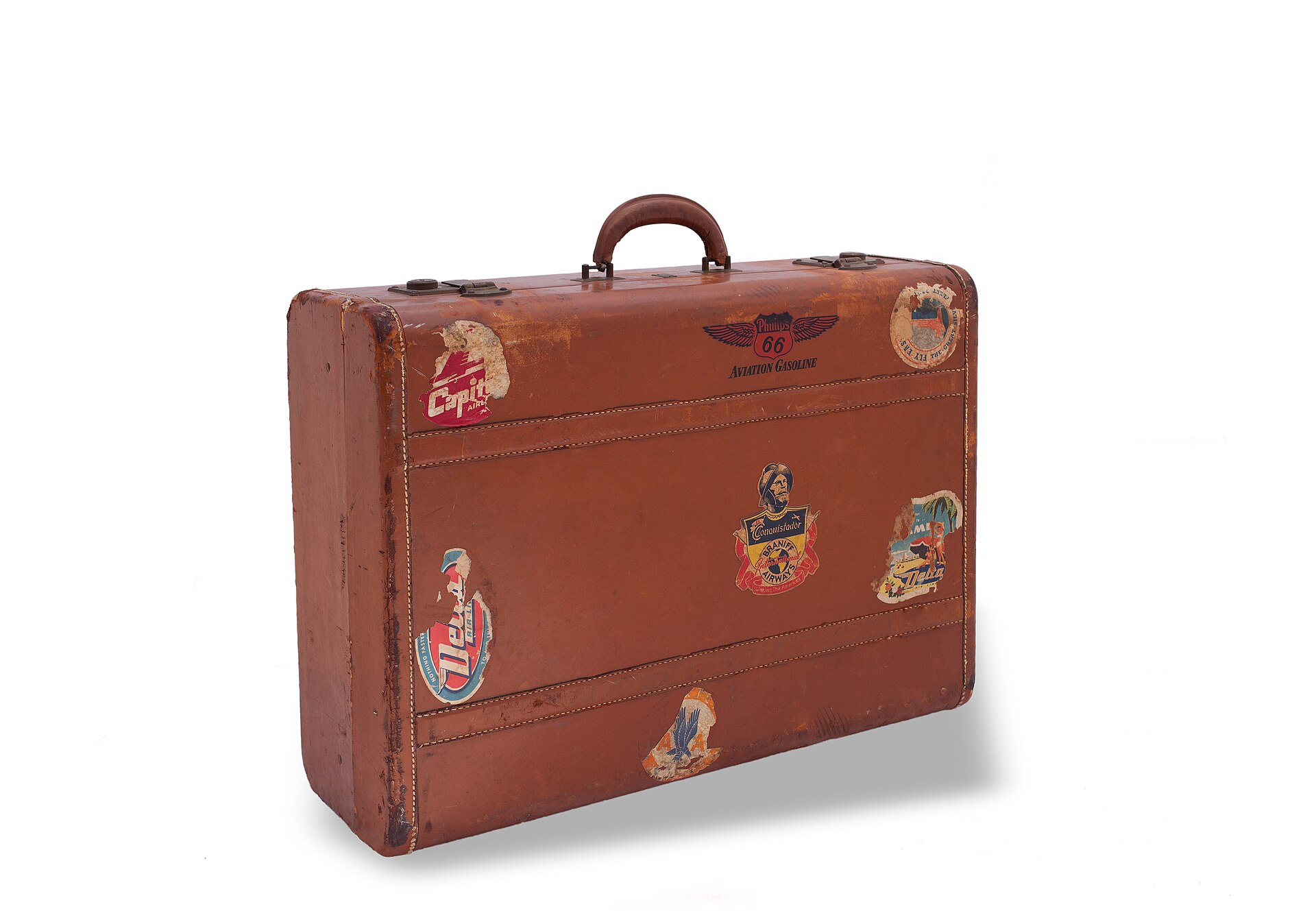
Some journeys become lighter before they have even begun. Not because the trip is short or the destination asks little of you, but because every object has found its place and the suitcase accompanies you rather than imposing its weight. Choosing it well is a less conspicuous decision than selecting a hotel or plotting a route, yet it affects every movement that follows: the stairs at a railway station, a cobblestone in the rain, the boot of a small car or the final walk to a house among the mountains.
A good suitcase is not necessarily the largest, the hardest or the most expensive. It is the one that suits the kind of journey you make most often, protects what you carry and keeps rolling when the ground is no longer perfect. It is also the one that sets a sensible limit, requiring you to distinguish between what might be useful and what you will genuinely need.
Packing with care is not an attempt to achieve millimetre-perfect order. It is about arriving calmly: fewer repeated decisions, less unnecessary bulk and an arrangement that lets you find a clean shirt or the charger without dismantling everything on the first night.
Which suitcase to choose
Before comparing finishes or colours, picture the entire journey. A suitcase that is excellent for checking in on a direct flight may be awkward on a trip involving trains, old streets and several changes of accommodation. The choice begins with the road ahead, not in the wardrobe.
01 · Begin with the journey you make most often
For breaks of two to four nights, a lightweight cabin case will usually suffice if you work with a compact selection of clothes. For a week or more, winter travel, family holidays or routes requiring specialist equipment, a medium or large case provides room without forcing you to compress everything. If you fly, always check the dimensions and weight included in your fare: the word ‘cabin’ does not guarantee that a case complies with every airline.
02 · Usable capacity matters more than external dimensions
Litres provide a useful indication, but the interior shape determines how much will actually fit. Straight walls, a lid that opens fully, taut dividers and minimal intrusion from the telescopic mechanism make better use of the volume. With larger sizes, do not buy space out of habit: a 90-to-110-litre suitcase suits long trips, two people sharing luggage or bulky clothing, but it can tempt you past the permitted weight long before it is full.
03 · Hard or soft: consider what you are protecting
A hard shell offers good protection from pressure, light rain and knocks, and is generally easy to clean. A soft case gives more readily in tight spaces, includes external pockets and can accommodate small variations in the load. Polycarbonate often strikes a good balance between flexibility and strength; polypropylene is robust and can be light; dense fabrics perform best when the seams, zips and reinforcements are carefully made. No material can compensate for poor construction.
04 · Wheels, handle and zips are the real test
Roll the suitcase while it is loaded if you can. Four double wheels make movement easier in airports and on smooth surfaces; two large, protected wheels often cope better with kerbs or uneven ground. The telescopic handle should rise without twisting and extend to a comfortable height. Inspect the zip pulls, main zip, side handles and corners: these bear the greatest strain and are the first details to turn a good shell into a bad experience.
05 · Weigh the empty case and ask about repairs
Every kilogram of structure is a kilogram less available for your belongings. Lightness is valuable, but not if it removes essential reinforcement. Look for a sensible relationship between weight and solidity, an intelligible warranty and, better still, wheels, handles or locks that can be replaced. A repairable suitcase grows older through travel; a sealed case with no spare parts becomes waste much sooner.
06 · Security without false promises
An integrated lock helps prevent accidental opening and keeps the zip pulls together, but no zip makes luggage invulnerable. Keep documents, medication, money, batteries and irreplaceable possessions in your hand luggage. If you travel to countries where your case may be inspected, check which locking system is compatible with the procedures used there.
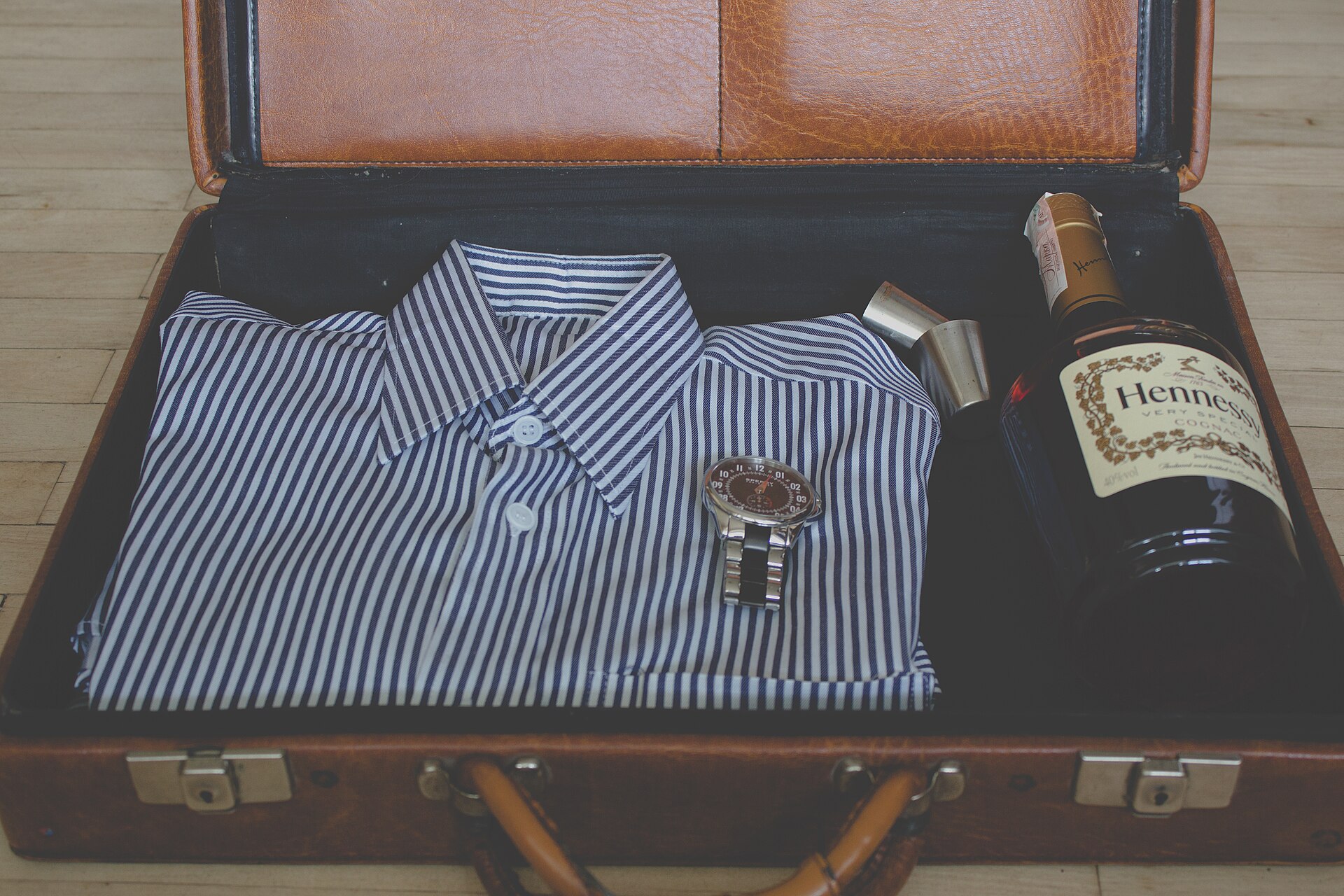
How to pack your suitcase
Being organised does not mean filling every gap. It means building luggage that works throughout the trip, not merely during the five minutes it remains open on the bed.
- 01
Lay everything out before putting anything away
Place the clothes, shoes, wash bag, technology and small items on one surface. Seeing the whole selection makes repetition easier to spot. Then remove at least one item from every category you added ‘just in case’. The best space you gain belongs to something that never goes into the suitcase.
- 02
Build a small capsule wardrobe
Choose a simple palette and garments that combine with one another. Every top should work with more than one bottom; one light layer deals with changes in temperature; one slightly smarter outfit avoids carrying an entire second identity. For long trips, plan to wash clothes rather than multiply them.
- 03
Roll flexible pieces and fold structured ones
T-shirts, underwear and soft garments can be rolled to fill gaps and remain visible at a glance. Shirts, jackets and fabrics that hold creases benefit from broad folds. There is no single correct technique: combine both according to the garment, and avoid compressing so fiercely that everything arrives deeply wrinkled.
- 04
Use modules, not endless compartments
Two or three organisers are enough: clothes, underwear and small pieces. A separate bag for worn clothing prevents it mixing with clean items. Compression cubes help with bulky garments, but they do not reduce weight and may concentrate it on one side; use them to create order, not to justify carrying more.
- 05
Place the weight beside the wheels
Shoes, the wash bag and dense objects should sit at the bottom when the suitcase is upright. It will then roll more steadily and lighter contents will be subjected to less pressure. Protect footwear in bags, use the space inside it for socks or small accessories, and stop the soles from touching your clothes.
- 06
Make the first night easy to reach
Leave underwear, a T-shirt, basic toiletries and what you need for sleep at the top — or in a separate bag. If you arrive late, the accommodation has a narrow staircase or your checked case is delayed, you will be glad not to dismantle the entire architecture of your luggage.
- 07
Separate liquids, cables and documents
Carry liquids in firmly closed containers inside a waterproof bag. Group each cable with its charger and do not leave them loose among the zips. Documents, essential medication, keys and batteries should travel with you. Photograph the interior and the external label before checking the case in: it cannot prevent a problem, but it makes the contents easier to remember and describe.
Weight, leeway and a short checklist
Closing the zip is not the end. Weigh the suitcase exactly as it will travel and leave room for a different set of scales, a damp garment or whatever may return with you. Luggage packed to the limit turns any change into a problem.
- Check the dimensions and weight included on every leg, including connections operated by another airline.
- Identify the suitcase inside and out without displaying more personal information than necessary.
- Tighten the internal straps so that the load does not move when the case is lifted.
- Pack a lightweight folding bag for shopping, the beach or a one-off redistribution of luggage.
- Leave ten to fifteen per cent of the volume free: the return journey rarely occupies exactly the same space.
- Before closing it, ask of every object: will I use it, can I share it or could I sort it out there?