Tokyo makes more sense as a constellation of neighbourhoods than as a checklist of landmarks. Yanaka and Nezu retain alleys, temples and timber buildings; Kiyosumi-Shirakawa brings landscape garden, warehouses, coffee and contemporary art together; Shimokitazawa lives through books, records and small stages; Kuramae turns its wholesale memory into workshops beside the Sumida.

Give each day to one part of the city rather than crossing Tokyo for a photograph. An IC card simplifies rail, subway and buses but does not replace checking the last service. Keep voices low in residential lanes, ask before photographing people or interiors, and never bring luggage into a tiny counter. Opening days change, so confirm them directly.

A city of scales

Four neighbourhoods, four tempos

Identity appears when a whole morning or evening stays in one place.

Four places

Timber, warehouse, stage and river

Urban districts shaped by craft and everyday routines rather than an automatic icon list.

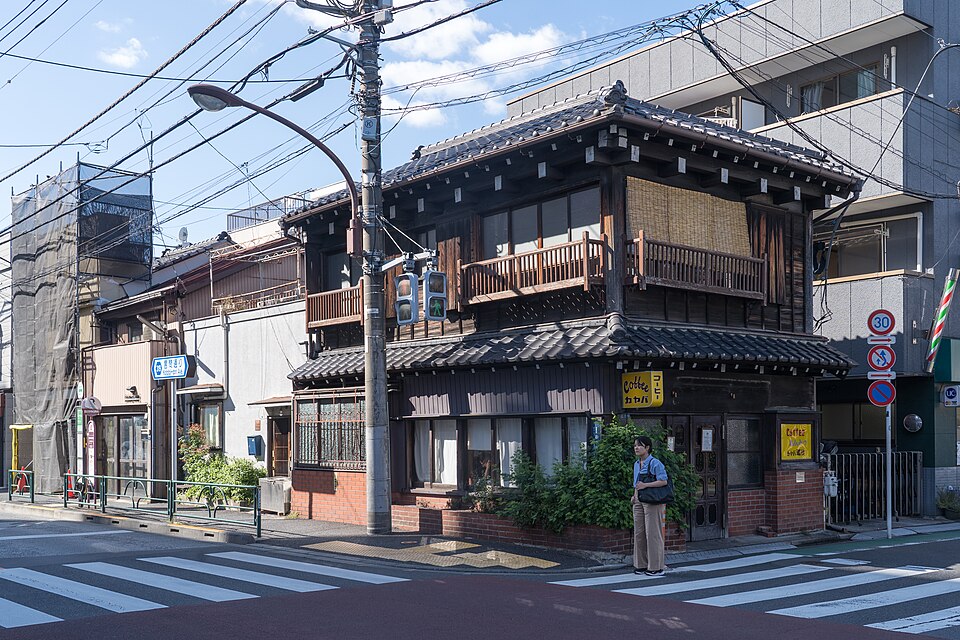
Timber house and neighbourhood cafe on a residential Yanaka street

Yanaka and Nezu

Yanaka, Nezu and Sendagi form Yanesen, a web of slopes, cemeteries, shrines, shops and homes that escaped some twentieth-century destruction. The point is not to pretend Tokyo stood still, but to see galleries and cafés adapt old buildings while neighbourhood routines continue around them.

Before visiting Arrive through Nippori, Sendagi or Nezu and walk short sections. Yanaka Cemetery is a burial place rather than scenery: remain quiet, avoid ceremonies and save snacks for the shopping street.

Best for For domestic architecture, unhurried walks, small museums and a morning without monumental targets.

Photo credit Alexkom000 · CC BY 4.0
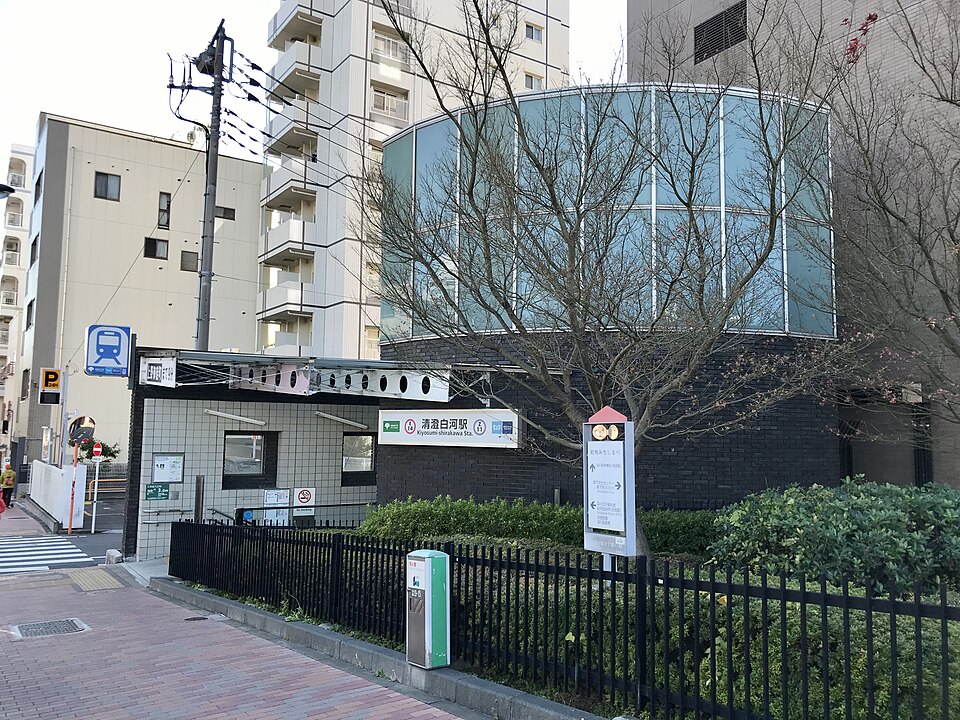
Kiyosumi-Shirakawa station entrance among neighbourhood buildings

Kiyosumi-Shirakawa

East of the centre, Kiyosumi-Shirakawa joins Kiyosumi Gardens, the Museum of Contemporary Art Tokyo, Fukagawa history and former warehouses used by coffee roasters. Water, bridges and industrial plots frame a quieter creative district.

Before visiting The station serves the Hanzomon and Oedo lines. Check each garden and museum closure day; in a small roastery, order appropriately and follow the house system for cups and trays.

Best for For contemporary art, Edo landscape, specialist coffee and reused industrial buildings.

Photo credit Tokyo-Good · CC BY-SA 4.0
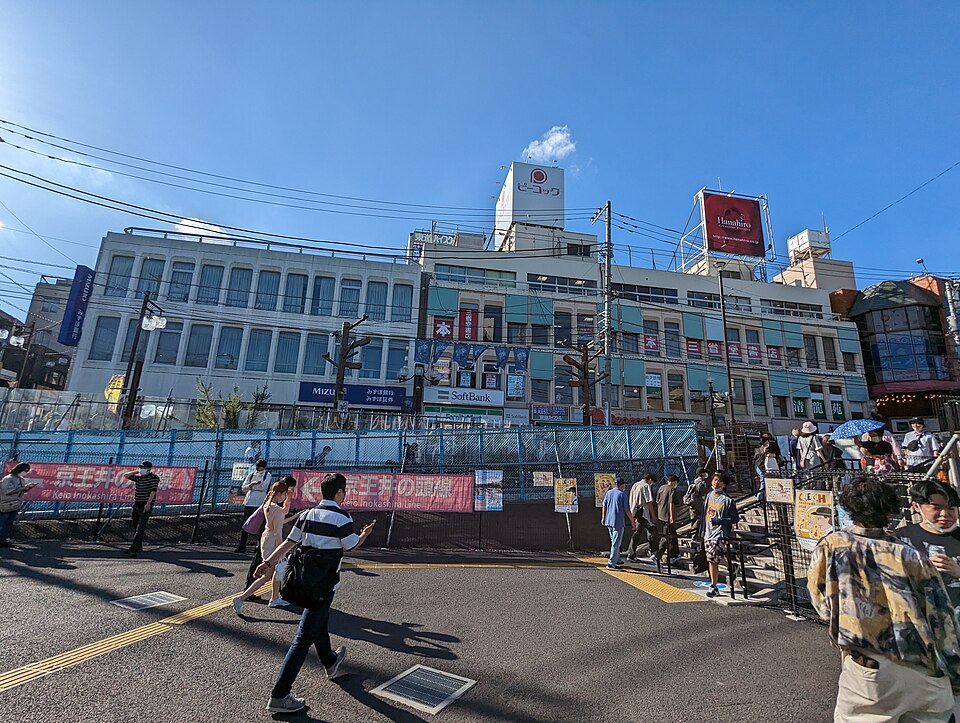
Pedestrian lane with small independent shops in Shimokitazawa

Shimokitazawa

Shimokitazawa, often shortened to Shimokita, layers second-hand clothing, bookshops, theatres, record stores, live houses and bars in low pedestrian streets that wake late. New spaces below the former railway coexist with tiny upper-floor rooms.

Before visiting Use the Odakyu or Keio Inokashira line and arrive after late morning. For a live house, buy through its stated channel, check any drink charge and do not record unless explicitly allowed.

Best for For music, books, vintage clothing and an informal night instead of observation decks.

Photo credit Syced · CC0
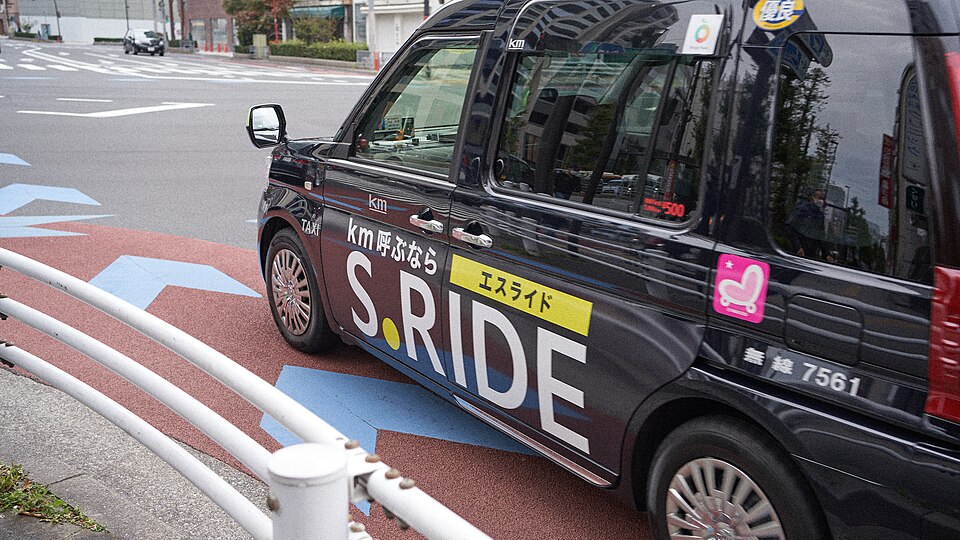
Kuramae intersection framed by buildings of different scales

Kuramae and the lower Sumida

Kuramae grew around warehouses and wholesale trade. Its plain buildings now hold leather, paper, ceramics and design studios while keeping close ties to Asakusa and the Sumida. The useful story here is making, repairing and adapting architecture.

Before visiting Asakusa and Oedo line entrances are separate, so check the exit before surfacing. A workshop is not automatically public: enter only where retail opening is displayed and request permission for photographs.

Best for For craft, carefully made objects, industrial conversion and a riverside finish to the day.

Photo credit Chung-Yao Yang · CC BY 2.0
NeighbourhoodSuggested dayUseful to know
Yanaka / NezuStart at Nezu Shrine, cross residential lanes and reach Yanaka before the later crowds.Shrines and cemetery require restraint; independent shops keep varied closing days.
Kiyosumi-ShirakawaPair the garden with one museum and coffee, then finish beside canals or the Sumida.Gardens and museums use separate calendars; check both before travelling east.
ShimokitazawaArrive after lunch for books and records, leaving the evening for one stage or counter.Many rooms are tiny: buy, order, avoid blocking space and ask before recording.
KuramaeWalk between workshops and warehouses, connect with Asakusa and return along the river.The stations do not share every concourse and studios receive visitors only when stated.
Characterful bases

Three verified properties

Real eastern stays connected to the route; compare the exact category before booking.

Links are references; affiliation activates only when Vagamora declares it and never changes Booking’s price.

Kiyosumi / río Sumida

LYURO Tokyo Kiyosumi by THE SHARE HOTELS

A Sumida riverside property between Kiyosumi-Shirakawa and Suitengumae, with private and shared rooms on its verified Booking listing. Some categories face the water, while terrace and common areas continue the eastern Tokyo setting.

The listing describes a restaurant, terrace, laundry and room types with different bathroom arrangements. Compare the exact category because view, dimensions and facilities vary; verify the station walk and never infer breakfast, price or availability from photographs.

Check availability on Booking
LYURO Tokyo Kiyosumi by THE SHARE HOTELS: property exterior and setting shown on the verified listing
LYURO Tokyo Kiyosumi by THE SHARE HOTELS: guest room belonging to the same verified propertyLYURO Tokyo Kiyosumi by THE SHARE HOTELS: view or shared space at the same propertyLYURO Tokyo Kiyosumi by THE SHARE HOTELS: interior amenity belonging to the same property
Asakusa / Taitō

Onyado Nono Asakusa Natural Hot Spring

A Taito hotel near Asakusa with tatami-covered interiors, thermal bath, sauna and compact rooms according to Booking. It supports eastern walks without falsely presenting itself as a historic family ryokan.

Booking lists dining, continuous reception, public bathing and multiple categories. Read bathing rules before entry—wash first, no swimwear, and check the current tattoo policy—and confirm accessibility, housekeeping and the booked meal plan.

Check availability on Booking
Onyado Nono Asakusa Natural Hot Spring: property exterior and setting shown on the verified listing
Onyado Nono Asakusa Natural Hot Spring: guest room belonging to the same verified propertyOnyado Nono Asakusa Natural Hot Spring: view or shared space at the same propertyOnyado Nono Asakusa Natural Hot Spring: interior amenity belonging to the same property
Oshiage / Sumida

ONE@Tokyo by insomnia

A design hotel near Oshiage with timber frontage, several room types and shared spaces visible on its individual listing. Hanzomon services link to Kiyosumi while Asakusa and the river remain within a coherent eastern arc.

The verified page lists continuous reception, non-smoking rooms, lift and categories of different sizes. Compare floor area and bed, confirm each service at booking and never assume a photographed view or breakfast belongs to every rate.

Check availability on Booking
ONE@Tokyo by insomnia: property exterior and setting shown on the verified listing
ONE@Tokyo by insomnia: guest room belonging to the same verified propertyONE@Tokyo by insomnia: view or shared space at the same propertyONE@Tokyo by insomnia: interior amenity belonging to the same property

Listing checked on 30 July 2026

Where to stay

Four connected bases

The best base is the one that shortens your latest return, not an abstract centre.

01

Yanesen

Practical base Quiet northern base

Nippori, Nezu or Ueno shortens the first morning and connects with the Yamanote, Chiyoda line and airport rail. Nights are restrained, suiting travellers who prefer early markets and museums to a late entertainment district.

Choose it if Choose it when residential calm and northern museums matter more than returning from bars after midnight.

02

Kiyosumi / Sumida

Practical base Water, art and eastern links

Kiyosumi-Shirakawa and Suitengumae offer Hanzomon and Oedo links, riverside walking and practical access to Nihonbashi, Asakusa and Ryogoku. Late returns from the west still need planning.

Choose it if Choose it for coffee, art and water near the room, provided western evenings are timed carefully.

03

Shimokitazawa / west Shibuya

Practical base Music at a smaller scale

Two private railways connect Shimokitazawa quickly with Shinjuku and Shibuya while low streets stay active late. Sleeping here solves the post-concert journey but adds transfers to eastern Tokyo.

Choose it if Choose it when records, theatre and intimate bars outweigh direct access to Yanaka or Kuramae.

04

Asakusa / Oshiage

Practical base Eastern architecture and rail

Asakusa, Kuramae and Oshiage form an eastern arc on the Asakusa, Ginza and Hanzomon lines. It supports early river walks and craft visits, while Sensoji approaches can be intensely busy.

Choose it if Choose it for Kuramae, the river and airport links, starting before the busiest visitor corridors.

Tokyo flavours

Three formats, not trophies

Noodles, skewers and rice reveal different table rhythms and precise use of space.

Soba delivery rider balancing bowls in Tokyo in 1935

Soba and the short meal

Buckwheat soba may arrive cold with dipping sauce or hot in broth. Slurping is accepted but not required; follow the shop’s tray-return system and keep fragrance away from a compact counter. When sobayu appears, add the cooking water to the remaining dipping sauce.

Photo credit Mainichi Shimbun / Lavenberg Collection · Public domain
Small yakitori shop with red lanterns in Setagaya

Yakitori by the skewer

Yakitori extends beyond breast meat to thigh, skin, liver, heart and negima, seasoned with salt or tare according to the shop. Ask plainly, accept a set sequence where offered and use no more counter space than necessary; charcoal and the cook establish the pace.

Photo credit Syced · CC0
Assorted pieces of sushi arranged on a serving plate

Sushi without market theatre

Nigiri and maki are normally eaten in one or two bites, soy is used sparingly, and ginger clears the palate between pieces. A viral auction is unnecessary: neighbourhood sushiya and standing counters provide different formats. Ask before photographing the itamae or other guests.

Photo credit Mojmir Churavy · CC0

Observe, ask without demanding exceptions and release a tiny counter promptly.

Urban route

Five days without zigzagging

One sector each day, closures checked and time left to return to the place that worked.

  1. Day 1

    Learn the home station: operator, line, exit and final return. Spend the afternoon in Kuramae, entering only workshops open as shops, then walk to the Sumida. Leave luggage at the hotel before choosing a small dinner counter.

  2. Day 2

    Begin at Nezu Shrine and cross Yanesen on foot between residential lanes, one small museum and local shops. Treat Yanaka Cemetery quietly. Finish at Ueno or Nippori without turning the day into a train race.

  3. Day 3

    Reserve morning for Kiyosumi Gardens after confirming opening. Choose either the Museum of Contemporary Art Tokyo or Fukagawa Edo Museum, pause at a roaster and finish beside canal or river.

  4. Day 4

    Reach Shimokitazawa after noon for books, vintage clothing and records. Do not assume interior photography. For theatre or music, verify ticket, drink charge and recording rules, then protect the last train.

  5. Day 5

    Use the morning for contemporary architecture or a market near your base, eat neighbourhood soba or sushi, and revisit the district that held your attention. Keep airport and luggage margin rather than collecting more stations.

In Tokyo, orientation also means knowing when to stay.