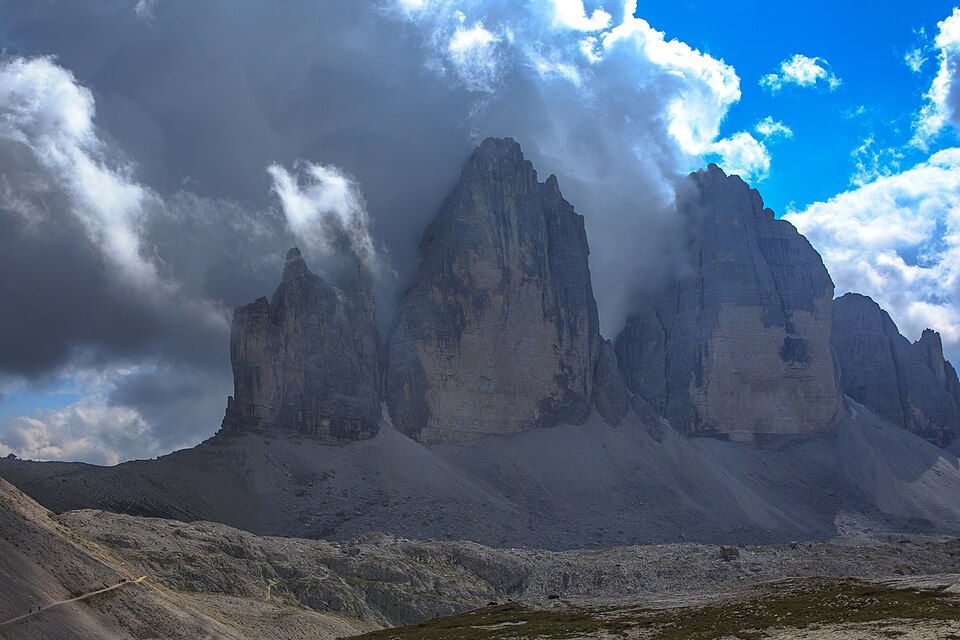
La Garrotxa has a quiet way of making its presence felt: first comes the damp scent of leaves, then a stone wall and, as the path bends, the unexpected shape of a volcano. Five days can hold a great deal when each one keeps room for looking.
There is no need to chase every viewpoint. Alternate dark-soiled paths, villages where stone keeps the cool and hearty meals; before setting out, check the park notices, access arrangements and weather so that the ground can set the pace.
The first decision is where you want to wake up
La Garrotxa changes considerably depending on which door you enter through: Olot makes it easy to combine the park with town life, Santa Pau brings the forest and stone closer, the valley opens onto farmland and the Alta Garrotxa asks for more time on the road. Choosing a base is not an admin detail; it sets the tone of every morning.
What deserves a place on the journey
Santa Margarida explains the earth beneath your feet, the Fageda works with light, Santa Pau concentrates history and Oix broadens the sense of mountain country. Four distinct scenes to choose between according to your time and energy.
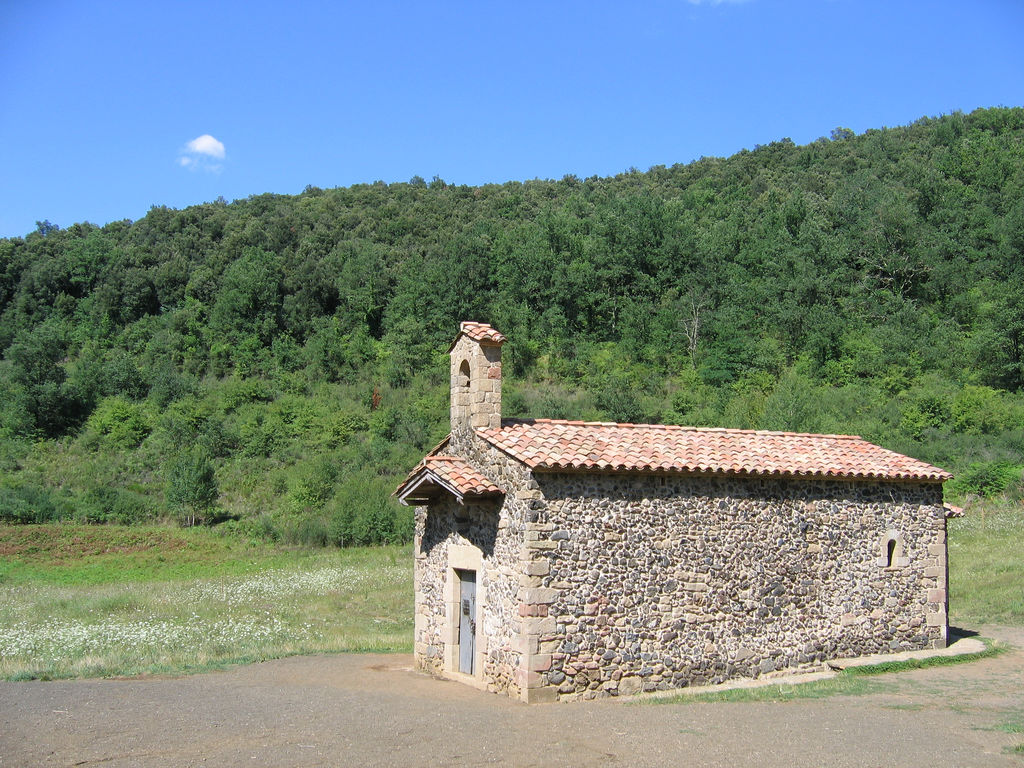
Santa Margarida
The volcanic cone makes sense as you descend into it: a circular clearing, wooded slopes and a hermitage that seems placed there to give the landscape a sense of scale. The walk is short, but the geology leaves a strikingly physical impression.
Before setting out: Check parking arrangements and the state of the access route before you go; the section to the crater is on foot along a sloping path. Follow the signs, do not cut across the cone and carry water even if the outing looks brief.
Recommended profile: anyone wanting a clear first reading of the volcanic landscape and a manageable walk.
Photo: Eloi Duran · CC BY-SA 4.0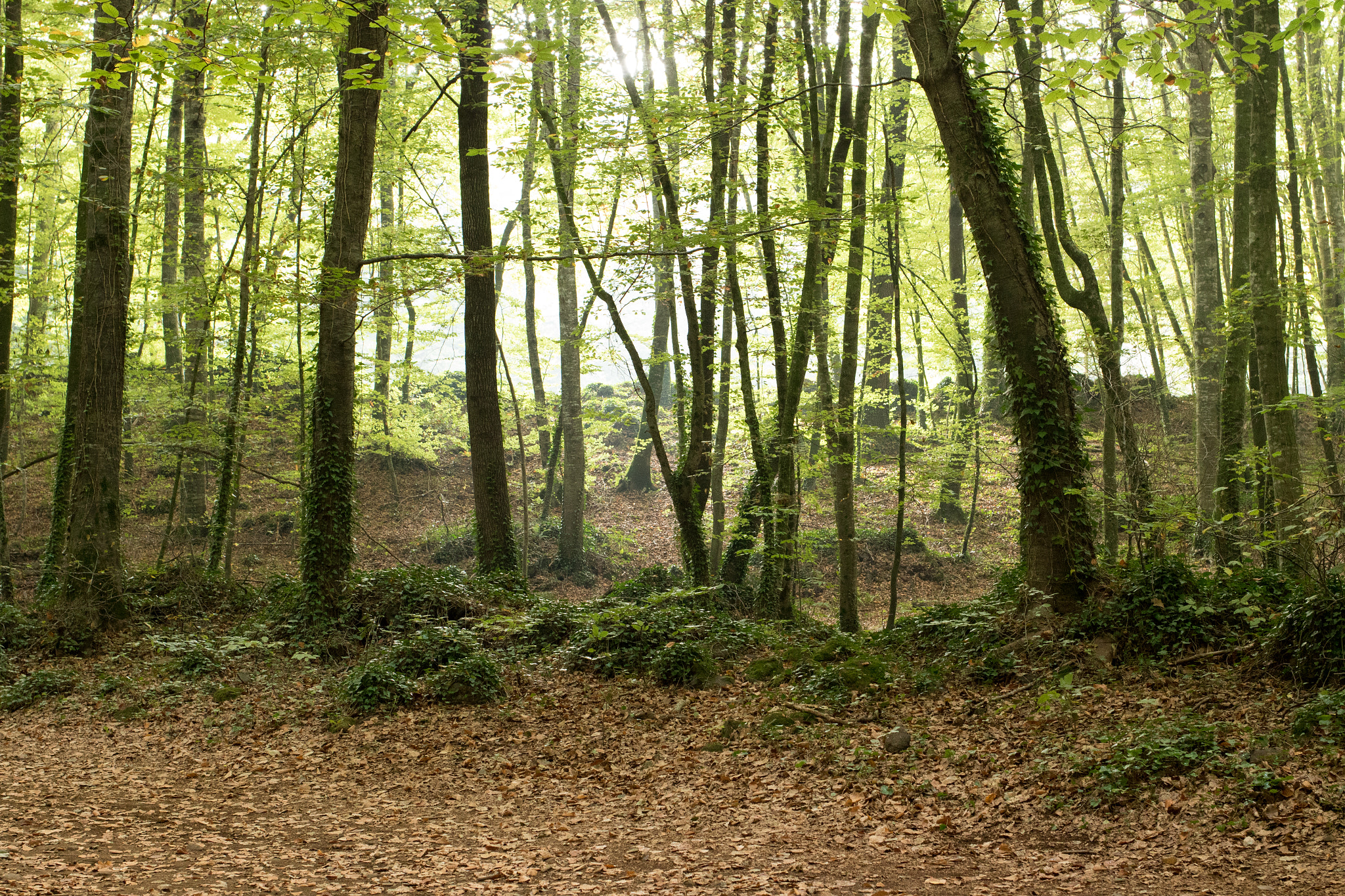
Fageda d’en Jordà
This forest is not a backdrop but an enormous room: pale-trunked beeches, leaf litter that muffles the sound and bends in the path that change with the season. Autumn brings colour; rain brings a need for closer attention.
Before setting out: Check current access and parking arrangements, especially on busy days. Roots and mud can make the ground slippery; wear footwear with a good grip and stay on the marked routes.
Recommended profile: people who enjoy walking slowly, watching trees and photographing the light.
Photo: Jordi B · CC BY-SA 4.0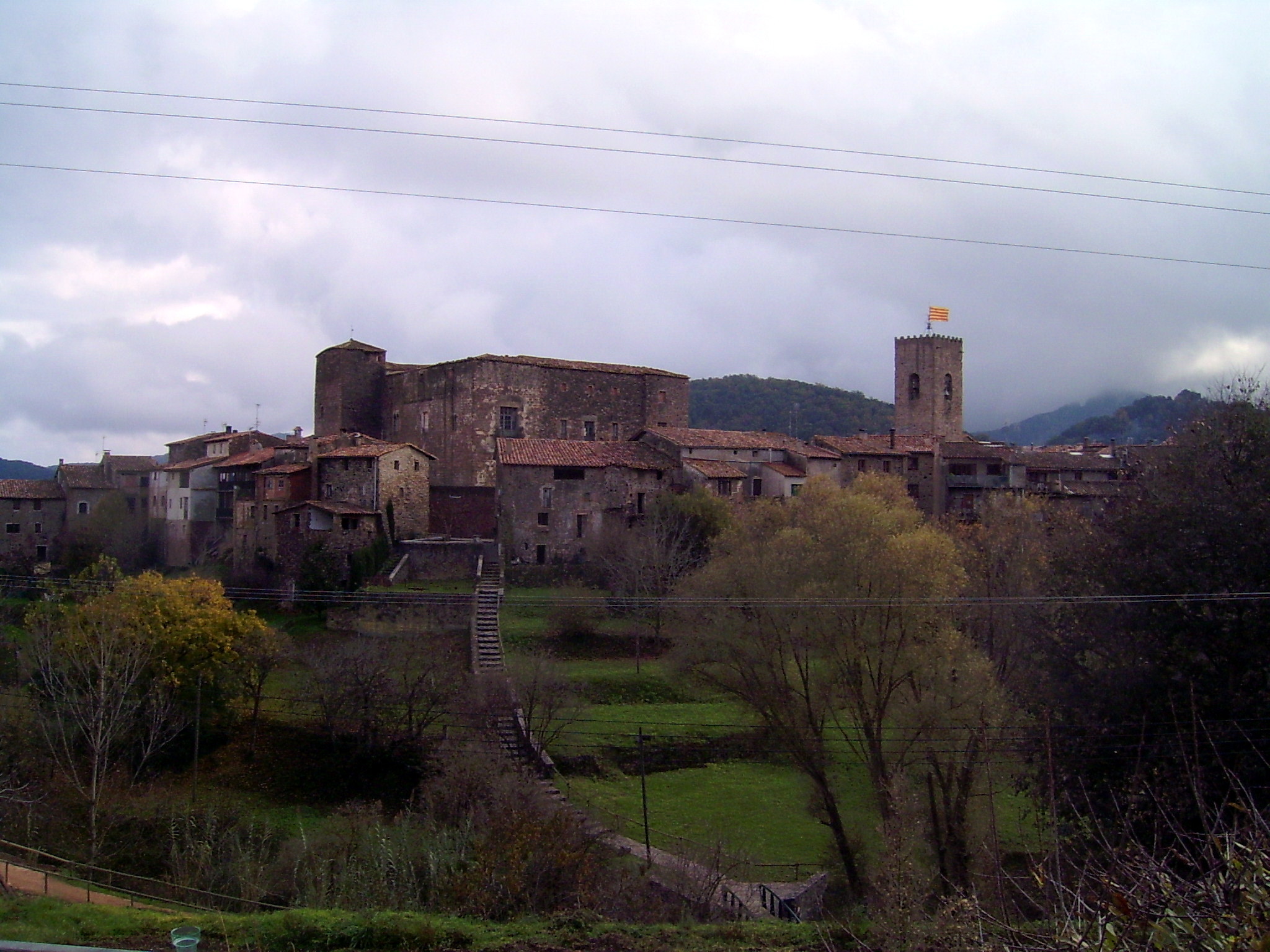
Santa Pau
Santa Pau reveals itself in layers: volcanic stone on the façades, arcades sheltering the square and lanes rising towards a compact medieval quarter. It is a place to stroll without a map and let lunch arrive afterwards.
Before setting out: Leave the car outside the historic centre and walk in over uneven paving. If you want to visit the castle or a particular site, check its opening times; the village is best enjoyed without trying to hurry through it.
Recommended profile: travellers interested in medieval architecture, local history and a long pause at the table.
Photo: Jordi Domènech · CC BY-SA 3.0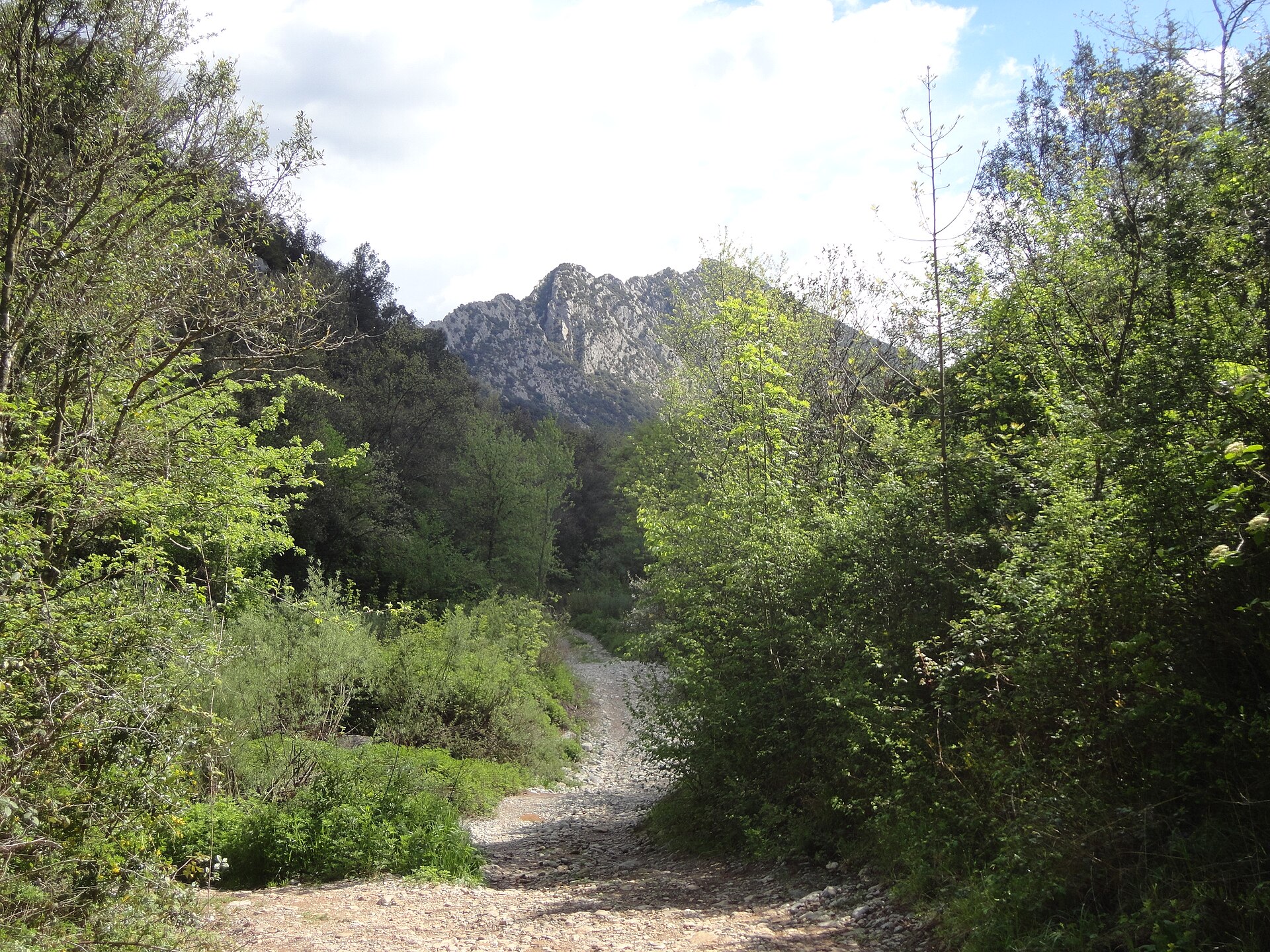
Oix and the Alta Garrotxa
In the Alta Garrotxa the landscape grows sterner: ravines, limestone ridges, isolated farmhouses and roads that make you calculate the return journey. Oix is a gateway to a less accommodating, and for that very reason quieter, part of the comarca.
Before setting out: Plan the route with downloaded mapping, check the forecast and calculate driving time before you start walking. Coverage can fail, and the terrain means keeping enough daylight in reserve for the return.
Recommended profile: experienced walkers seeking rugged mountains and willing to accept more demanding logistics.
Photo: Arnaugir · CC BY-SA 3.0| Place | The day it suggests | Worth knowing |
|---|---|---|
| Santa Margarida | A short, highly visual volcanic morning, with time afterwards to continue to Santa Pau and its inland cooking. | You reach the crater on foot; confirm parking and remain on the permitted route. |
| Fageda d’en Jordà | A day of woodland and shade, ideal for walking without collecting too many points on the map and listening to the ground change beneath you. | Visitor numbers rise in autumn; check the current access arrangements and come prepared for wet roots. |
| Santa Pau | A day combining heritage, stone streets and a long lunch, with a short walk if there is still daylight to spare. | The historic centre is explored on foot over uneven paving; park outside and check details for specific visits. |
| Oix and the Alta Garrotxa | The most mountainous option: slow roads, a carefully chosen trail and a return journey without squeezing the afternoon dry. | Download maps before leaving and do not plan on having coverage throughout the walk. |
Three stays with a landscape of their own
These three options do not represent the same journey: one looks towards the valley, another opens onto Santa Pau and the third sits in a rural setting in the Alta Garrotxa. Let your choice follow the route you want to repeat, not a list of assumed services.
Vagamora may receive a commission at no extra cost to the reader.
Hotel Mas la Ferreria
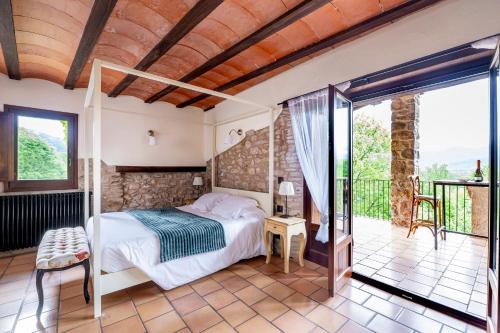
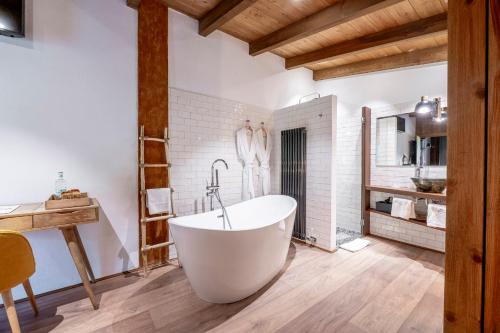
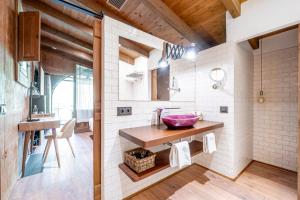
Hotel Mas la Ferreria is in La Vall de Bianya, a setting of meadows and slopes where the arrival itself becomes part of the journey. The images show bedrooms with exposed timber, a room opening onto a balcony and domestic-style bathrooms, including a white bath.
Its location suits a route alternating La Vall de Bianya, Olot and mountain paths without sleeping in an urban centre. The photographs show a farmhouse scale, timber ceilings, a balcony and simply finished bathrooms; they do not establish any features that the images cannot verify.
View the accommodation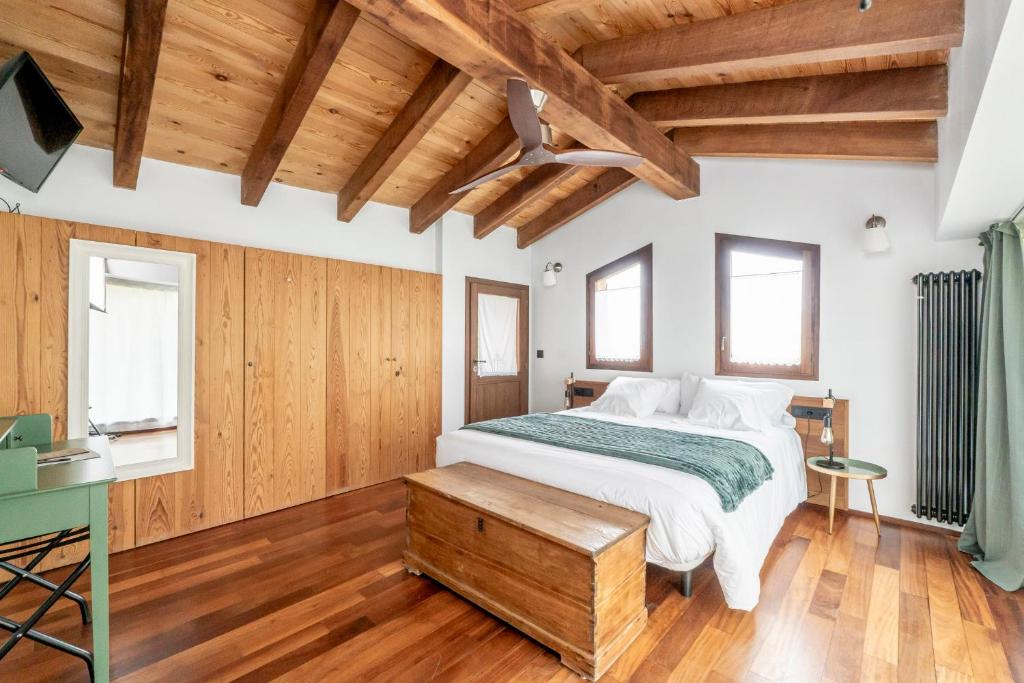
Hotel Cal Sastre
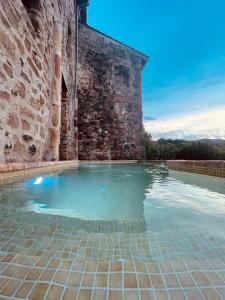
Hotel Cal Sastre is in Santa Pau, and its images combine a stone façade and wall with traditional-feeling interiors. They also show a swimming pool, a room with a sofa and bed, and simply styled bathrooms; its relationship with the historic village is central to its appeal in this landscape.
Choosing this address puts a walk through Santa Pau and trips towards the Fageda at the heart of the plan. The photographs support mention of stone, contained spaces, a swimming pool and calm-looking rooms, but cannot confirm opening times, particular services or conditions of use. Check those details before booking.
View the accommodation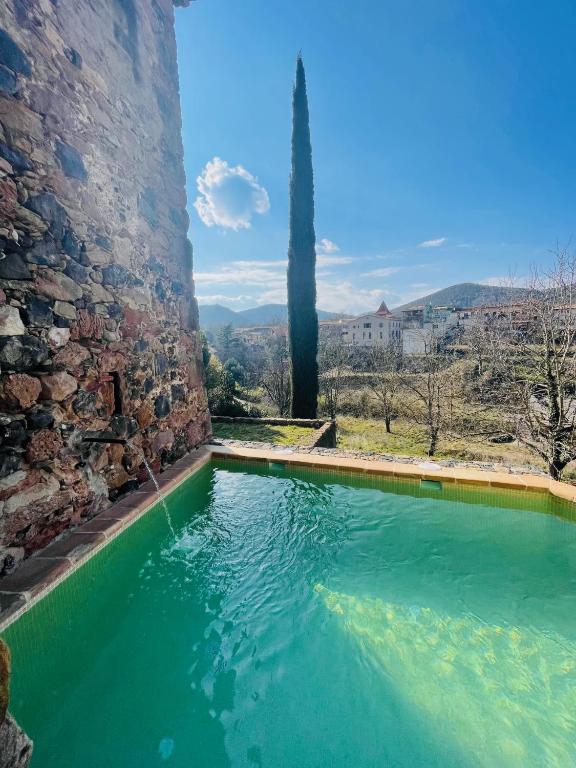
Can Serola
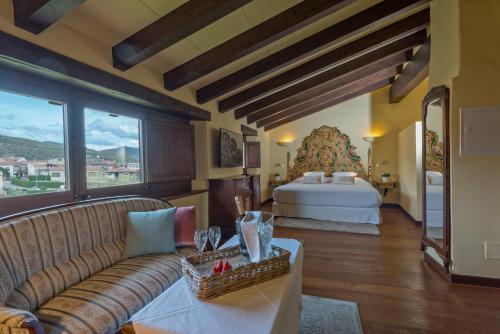
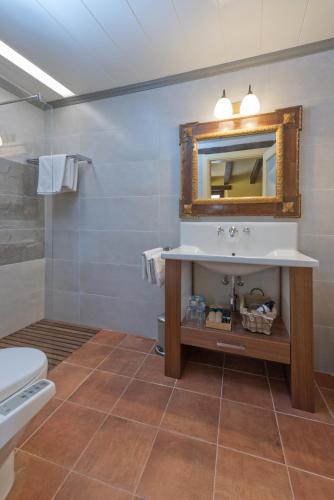
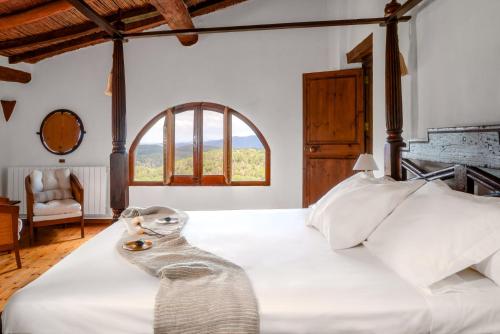
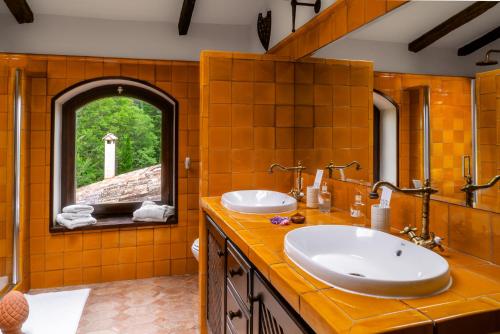
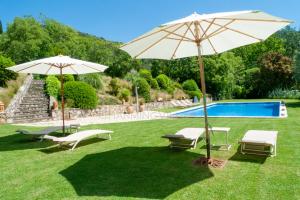
Can Serola appears in Sales de Llierca as a rural house in an open setting. Its images show a patio with a swimming pool, chairs and parasols, a bright bedroom with a generous bed and a bathroom with orange tiles and two basins; these are specific details, not a broader promise.
The location favours a slow reading of the Alta Garrotxa, among minor roads, hills and small settlements, while accepting mountain travel times. The photographs highlight the outdoor patio, swimming pool and house interiors; any stay conditions, additional equipment or availability must be confirmed directly.
View the accommodation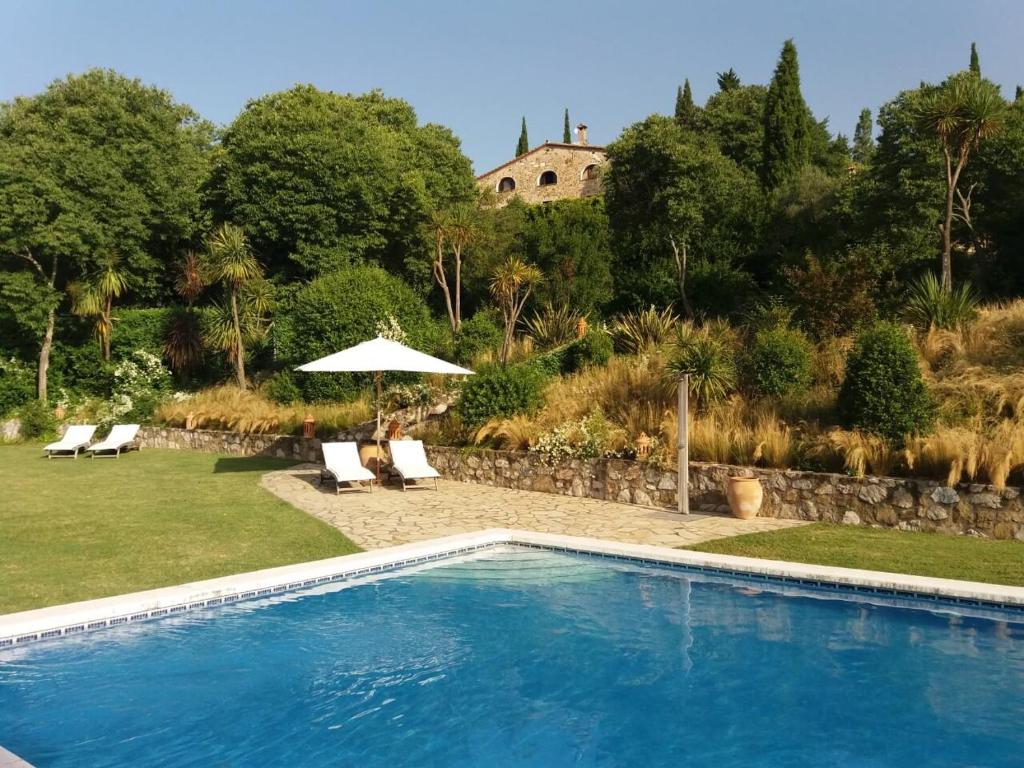
Canonical Booking.com names and links checked on 27 July 2026; conditions may change.
Four places to stay
The comarca is not measured only in kilometres. The time you set off, the roads you will drive twice and the possibility of coming back for lunch also count, without turning the afternoon into a string of errands.
Olot and the volcanoes
Practical base: Olot and its comarca
Olot is a practical base for spreading excursions across the park, reaching the volcanoes and ending the day with a market, an urban walk or a meal without needing another transfer. It is the easiest choice if you want to alternate nature with local life.
Why choose it: you want to keep dinners and services in a lively centre while staying close to the volcanic landscape.
Santa Pau and the Fageda
Practical base: Santa Pau and its surroundings
Staying here puts the forest and the village at the centre of the experience. You can set off early for the Fageda, return to a medieval scale for lunch and keep the afternoons for walking little, observing plenty or accepting that the day will remain in the square.
Why choose it: you would rather keep the first journey of the day short and are drawn to volcanic stone, beech woods and long lunches.
Vall d’en Bas
Practical base: Les Preses, Joanetes and the valley
Vall d’en Bas opens onto a more agricultural landscape of meadows, farmhouses and mountain backdrops. It is a peaceful base for combining gentler walks with trips towards Olot or the Fageda, while remembering that journeys depend on the roads and the weather.
Why choose it: you are interested in a worked valley landscape, quiet mornings and a stay less focused on historic centres.
Alta Garrotxa
Practical base: Oix, Beget or Montagut
This area rewards anyone prepared to drive slowly and plan each outing. Broken terrain, stony tracks and small villages make for more remote days; it is not a base for improvising many visits, but for choosing one and inhabiting it calmly.
Why choose it: you want silence, rugged-looking mountains and a journey in which planning is part of the experience.
Three ways to taste the comarca
La Garrotxa’s cooking speaks softly and comforts: pulses, stews, bread, cheese and after-lunch drinks. The best approach is to order without hurrying, ask what is in season and not treat every meal as a stop between sights.
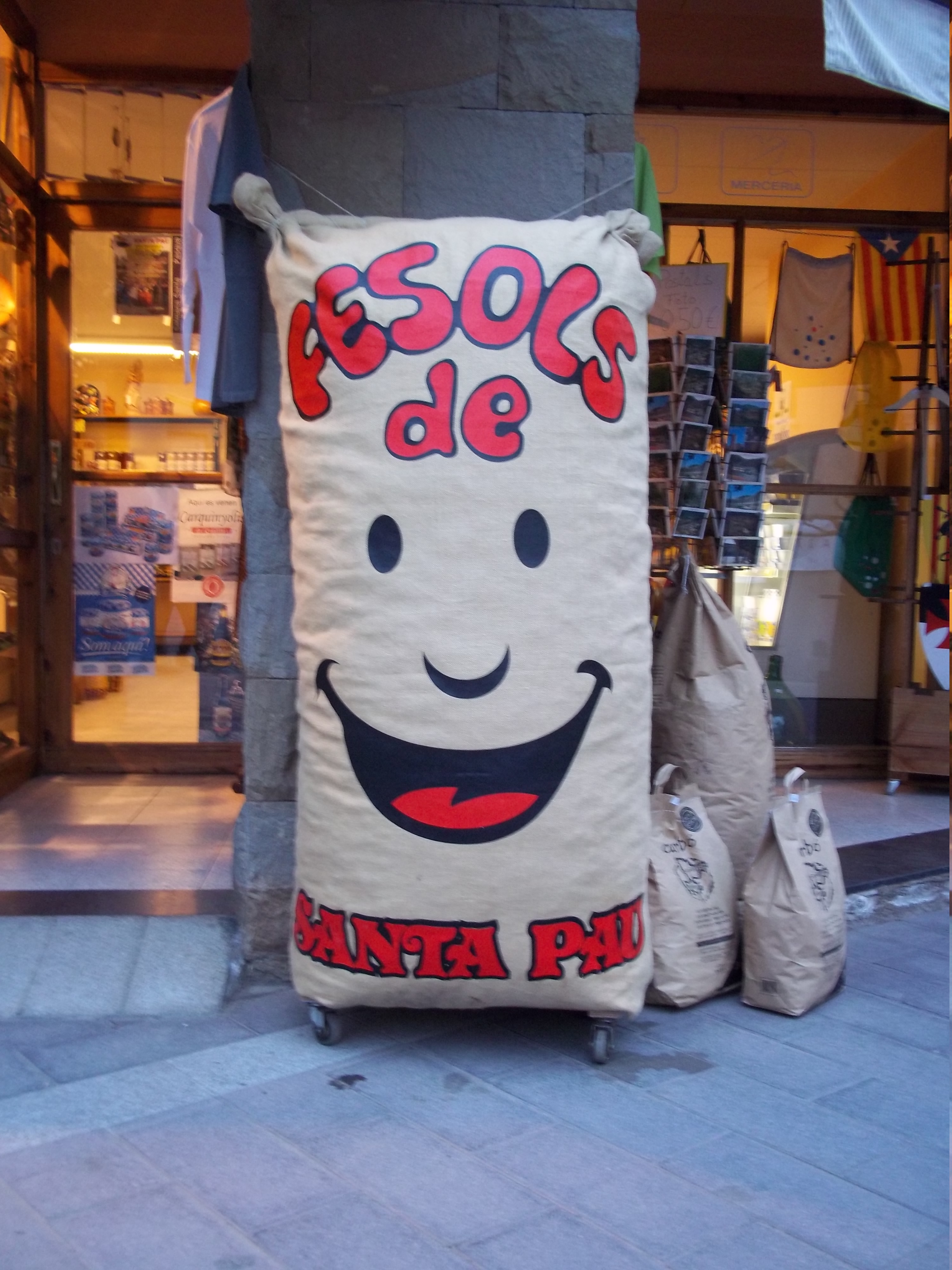
Fesols de Santa Pau
They are small, thin-skinned and buttery in texture when properly cooked. Order them as a simple dish or accompaniment and ask where they come from: they taste different at a kitchen that knows the ingredient than at a table merely passed through. They are especially welcome after a cool morning in the woods.
Photo: Oriol Llauradó · CC BY-SA 3.0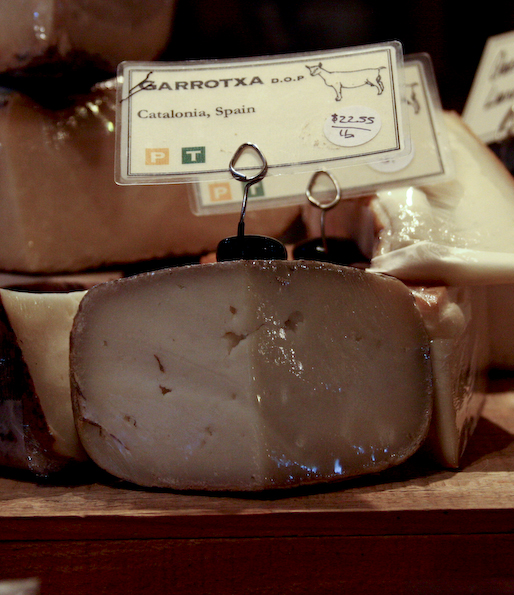
Mountain cooking
The inland store cupboard appears in stews, patata d’Olot, slow-cooked meats and mushrooms when the season allows. Do not look for an identical menu in every village: ask what arrived that day and let the answer decide lunch.
Photo: Jennifer Woodard Maderazo · CC BY 2.0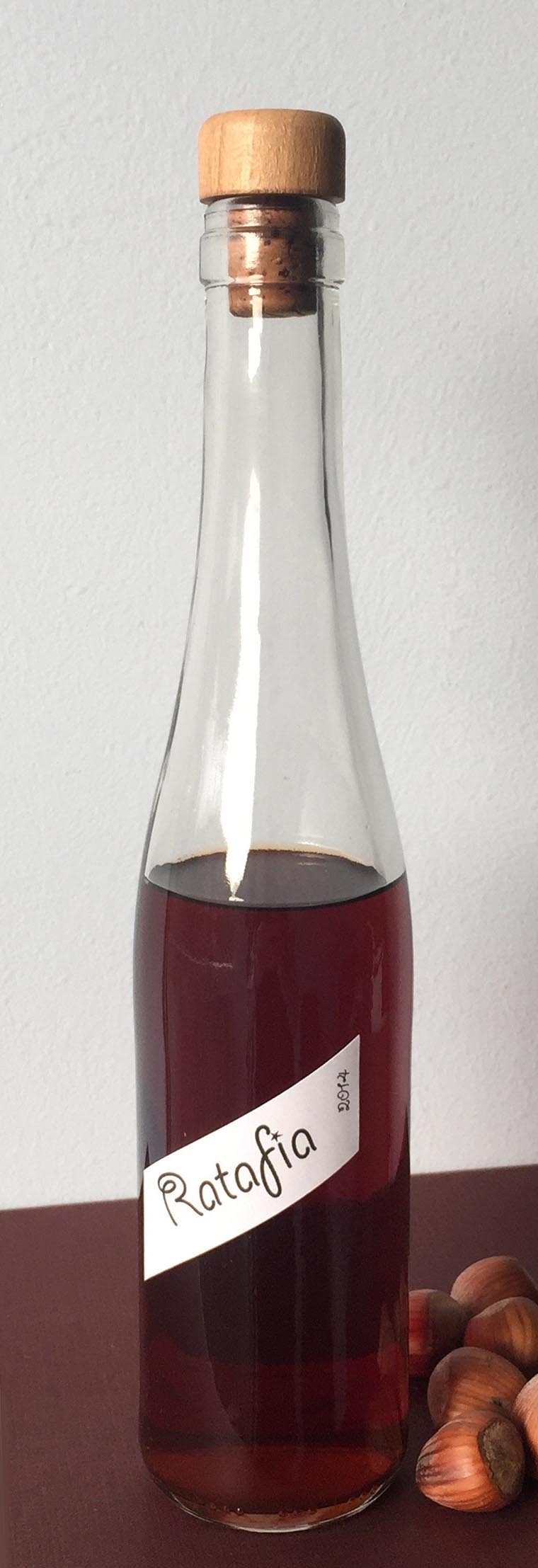
Bread, cheese and ratafia
For an unceremonious pause, buy bread, a local cheese and something sweet, or a ratafia for afterwards. It is a simple combination, but it suits an afternoon walk: it can be shared, does not require extending the schedule and leaves room to sit down for dinner later.
Photo: Konkordia · CC BY-SA 4.0The table can also help you find your bearings. A plate of fesols places you in Santa Pau, a stew restores you after the woods and a snack bought along the way means the afternoon need not depend on finding another viewpoint.
A route with room to change your mind
The order offers a gradual reading: gentle arrival, volcanoes, woodland, mountains and an open-ended farewell. It is not meant to fill every hour, but to provide a backbone that can accommodate rain, tiredness, hunger or a square worth staying in a little longer.
- DAY 1
Arrive at your base without filling the afternoon with objectives. Walk around the immediate area, find somewhere to eat and see how your legs respond to the inclines; a journey begins better when curiosity is still available for tomorrow.
- DAY 2
Spend the morning at Santa Margarida volcano and continue to Santa Pau. Descend to the crater with time to spare, notice the change in vegetation and keep the afternoon for medieval streets, an arcaded square and a meal that does not have to finish at an exact hour.
- DAY 3
Enter Fageda d’en Jordà early, while the light still falls low between the trunks. Walk a sensible route, allow for mud and use the afternoon to rest at your base or visit a valley landscape without adding another long excursion.
- DAY 4
Choose a prudent itinerary in the Alta Garrotxa, with the map downloaded and a clear time for beginning the return. Oix and its surroundings ask for less ambition than attention: one ridge, ravine or farmhouse is enough to understand the area’s character.
- DAY 5
Return to the place that stayed with you, or swap the trail for heritage and a market if the weather turns. A final local meal and a short walk may close the journey better than another road taken merely to add one more sight.
When the final morning comes, leave something undone. La Garrotxa is better remembered through a bend in the road, the scent of woodland or a conversation in a square than through the number of places crossed off.