A town that extends beyond its façades
Albarracín is often reduced to a medieval outline balanced on rock, but the visit makes more sense when the old town is read together with the ravine, walls and surrounding hills. The red stone is not added scenery: it ties the packed houses to the ground that shaped the streets, defences and ways into town.
A measured pace works best. Alternate the steep lanes with pauses that reveal the bend of the Guadalaviar. Early in the day, projecting eaves, uneven façades and buildings fitted to awkward slopes are easier to notice. Later, when day visitors arrive, the riverside path offers a quieter view back towards the town.
The cathedral, episcopal palace, Plaza Mayor and Andador tower do not work as isolated monuments. Passages, sudden openings and balconies connect them. Interior visits may depend on guided tours or seasonal hours, so check beforehand rather than building the entire day around one doorway.
The journey changes register in the Pinares de Rodeno. Red tones continue among pines, ravines and rock-art shelters. A short, carefully chosen trail can explain the relationship between town and sierra without turning the outing into a demanding hike.
Food completes the picture. Long winters, livestock, small gardens, woodland and river shaped the local table. Breadcrumb migas, garlic soup, lamb, game, mushrooms, trout and preserved pork are more than a folklore checklist: they speak of season, thrift and meals designed to restore energy.
Six pauses for reading Albarracín
These are not boxes to tick. They work as a flexible sequence through stone, water, high ground and woodland.
Upper lanes and projecting eaves
Enter the old town early to notice wooden eaves, covered passages and façades fitted into unlikely plots. Part of the pleasure is briefly losing your bearings, then finding the square or river again without following a rigid circuit.
Plaza Mayor and urban viewpoints
Plaza Mayor provides a natural pause between climbs. Its approaches show how everyday life sits inside the historic fabric, while balconies and openings reveal partial, intimate views rather than one complete panorama.
Cathedral and episcopal palace
The religious ensemble introduces a different scale within the tightly packed town. A guided visit, when schedules allow, clarifies the interiors and former episcopal seat. Even without entry, the surrounding lanes and narrow perspectives reward the walk.
Walls and Andador tower
The climb explains the defensive relationship between settlement, river and hills. Uneven ground and gradient call for an unhurried approach, particularly in heat, rain or ice. Reading the terrain matters as much as the final roofscape.
Guadalaviar riverside walk
Dropping to the river changes both pace and temperature. Paths and footbridges around the water let you see the town from below, hear the current and rest from the stone. It works well before lunch or late in the afternoon.
Pinares de Rodeno
Pines and red outcrops extend the trip beyond town. Trails and rock-art shelters require restraint: choose a route suited to the available time, remain on marked paths and never touch the decorated surfaces.
Choose a rhythm rather than collect stops
Two sound approaches to a short stay.
Town first
- Uses the quietest hours in the lanes
- Leaves the walk adjustable to energy and weather
- Places the steepest section at the start
- The return may overlap with busier hours
Best when architecture is the priority and a full morning is available.
Landscape first
- Keeps early light for the woods
- Separates walking time from the urban visit
- Requires disciplined return timing
- The old town may feel compressed later
Better for walkers who see the town as a conclusion rather than the only destination.
What to eat to understand the sierra
The local table is robust, seasonal and unhurried. These dishes help you order with context, although no restaurant should be expected to serve every one of them.
Migas a la pastora
Day-old bread, garlic and fat form the base of this shepherd-style thrift dish. Depending on the kitchen, migas may come with grapes, egg, sausage or rabbit. Ask about the house version and consider sharing if a steep walk follows.
Garlic soups and slow-cooked bowls
Garlic soup served in a small pot, gachas, chickpea stews and beans with pork reflect long winters and physical work. They may appear as daily specials rather than permanent menu items, which is often exactly when they are worth choosing.
Lamb and kid
Charcoal-grilled lamb and slow caldereta stews carry the area’s livestock tradition. The method matters as much as the cut: fierce heat for grilling, patient cooking for a stew. Ask about origin and portion size before ordering.
Game and escabeche
Venison stews, game pâtés, garlic rabbit and sharp escabeche preparations connect woodland ingredients with older preservation methods. Their strong flavours suit a long dinner or several shared plates better than a rushed midday stop.
Seasonal mushrooms
Saffron milk caps, morels and porcini follow the rain and the season in the Sierra de Albarracín. The area holds mushroom events and tasting menus, but wild collection requires sound identification and respect for local rules.
Guadalaviar trout
Trout recalls the river’s place in local kitchens. It may be served simply or preserved in escabeche, though it is not guaranteed on every menu. When offered seasonally, it provides a lighter counterpoint to meat and cured products.
Borage, cardoon and small gardens
Borage with potato and cardoon in almond sauce recall the value of small gardens in a demanding climate. They provide a welcome vegetable pause between meat dishes and make most sense when the kitchen follows local produce and season.
Cured meats, cheese and orza preserves
Ham, longaniza, morcilla, cecina, sheep or goat cheeses and pork kept in an earthenware orza bring the mountain pantry to the table without requiring a feast. They also travel well when bought from clearly identified local producers.
Three ways to stay without breaking the rhythm
An overnight stay in Albarracín should shape the quiet edges of the day rather than sit as an afterthought. These properties suit different travel rhythms; they are not a ranking, and current terms and availability should always be checked directly.
Booking.com attribution through the CJ network is active. Links marked as sponsored may generate a commission for Vagamora if a booking is completed, at no extra cost to the user.
Hotel Albarracín
A conventional hotel base for travellers who want to remain close to the historic ensemble and return to familiar full-service surroundings after the steep lanes. It suits a concise first visit more naturally than a retreat built entirely around seclusion.
Check accommodation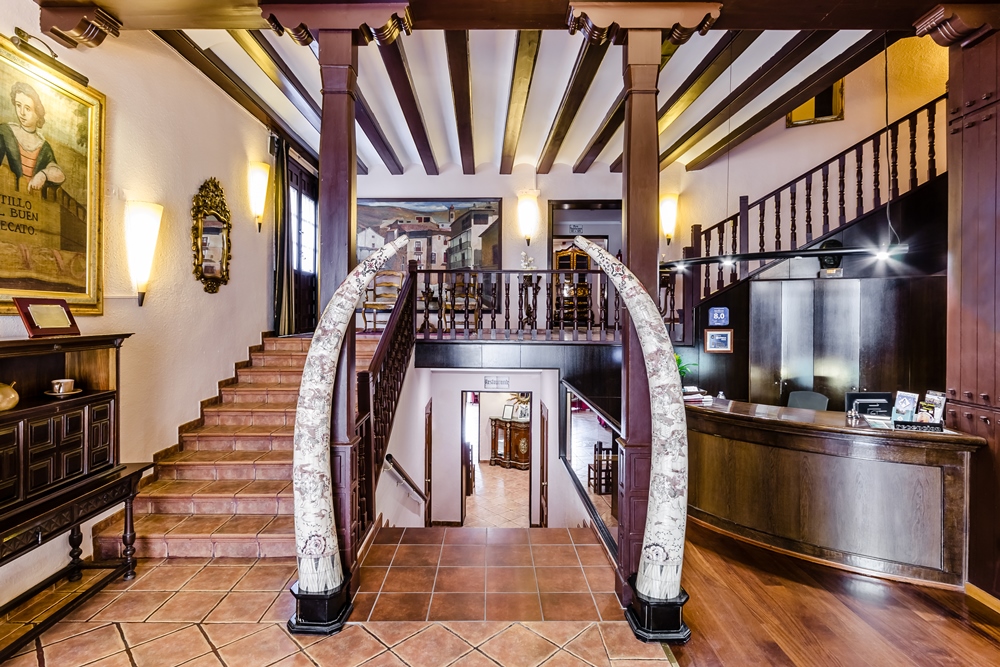
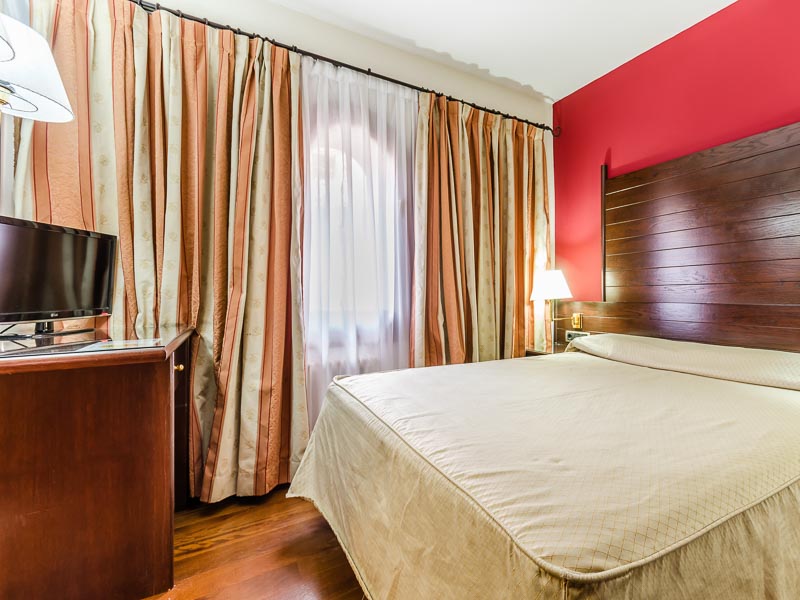
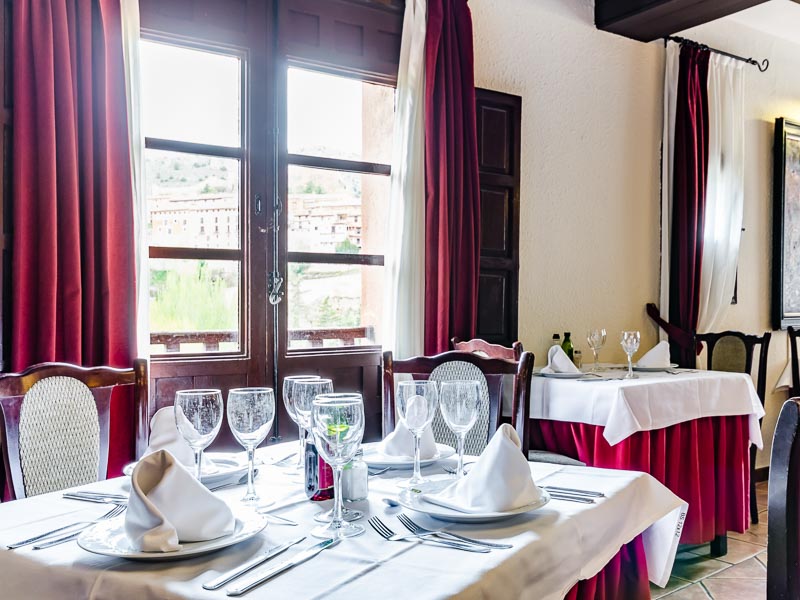
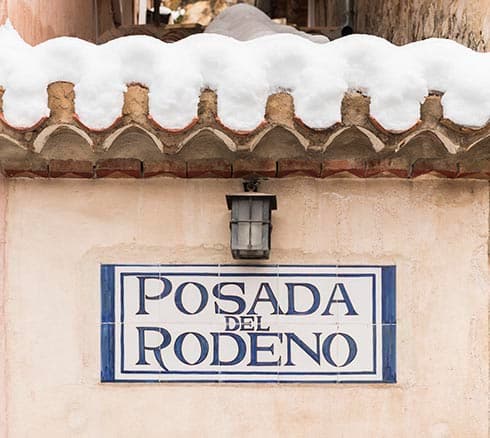
Posada del Rodeno
Its small scale and restored traditional building complement a slower visit. Facing the old town, it makes it possible to separate an early walk from a period of rest without turning every departure into a car journey.
Check accommodation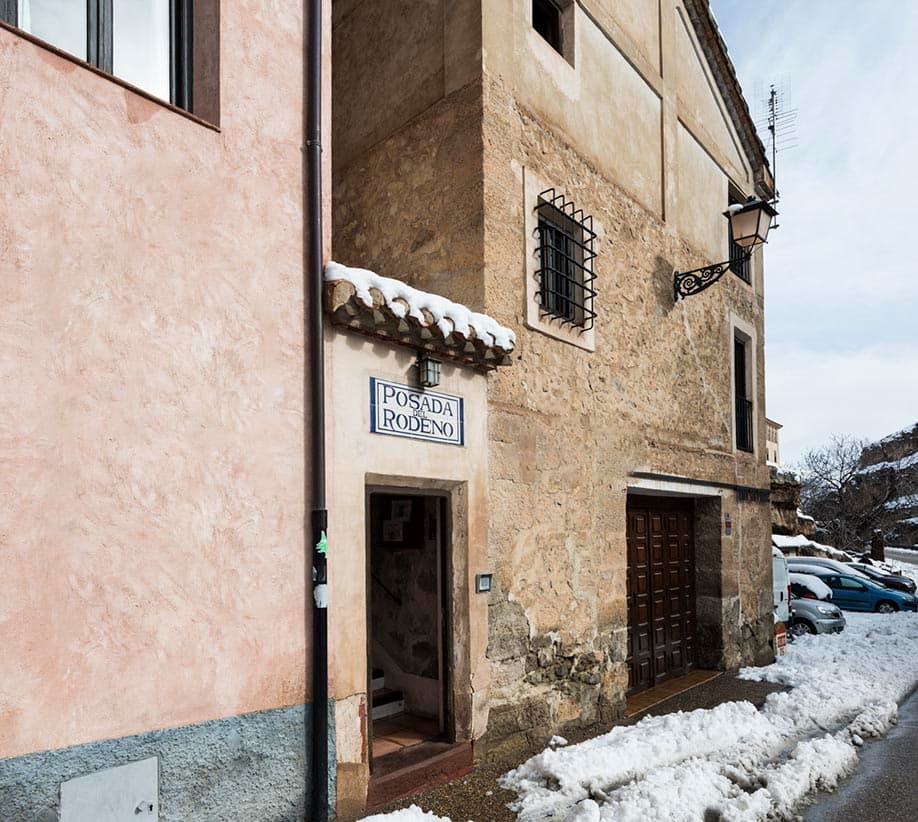
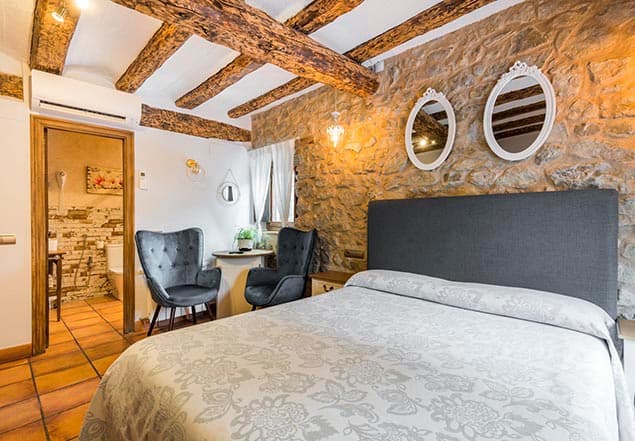
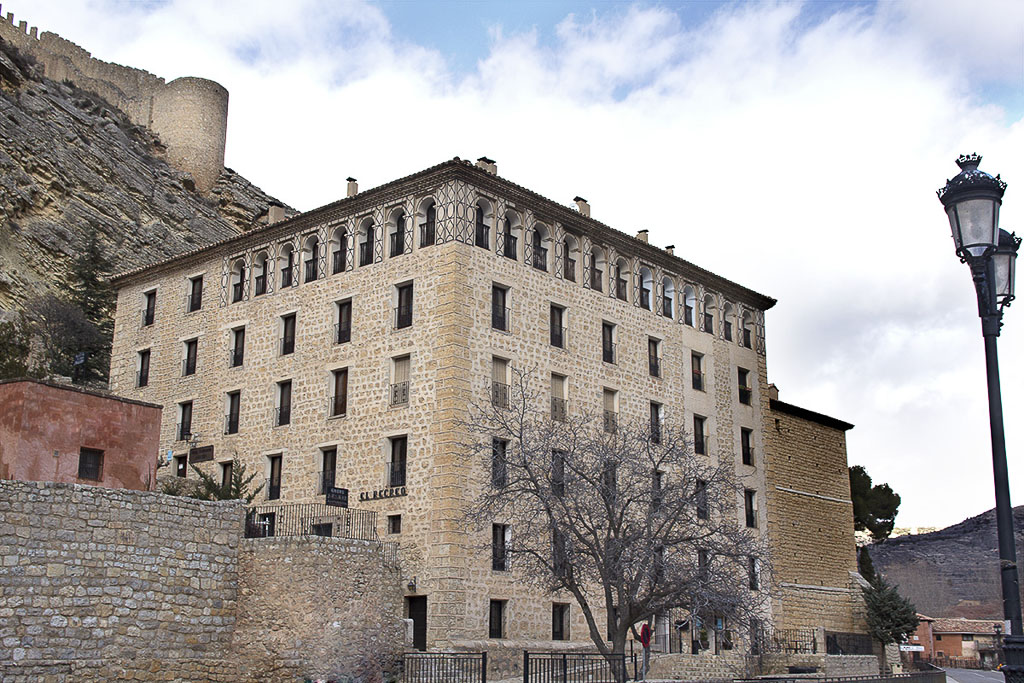
Hotel Arabia
Set in part of the former Escolapios convent within the old town, it shares the building with apartments. It makes sense for travellers drawn to historic fabric or seeking greater independence over a slightly longer stay.
Check accommodation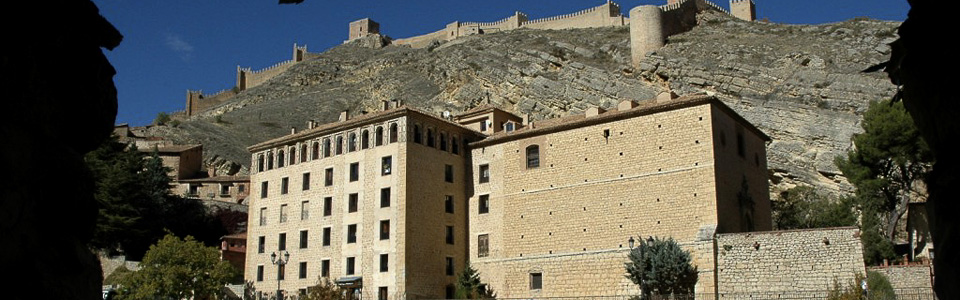
Two days, five moments and an unhurried table
The plan leaves room between visits instead of assigning a monument to every hour. Each section follows a different light, slope and way of looking.
- 01
Arrive and read the setting
Keep the first afternoon for circling the town, crossing the Guadalaviar and understanding the position of the houses from outside. A short riverside walk places the walls, gradients and viewpoints before you enter the lanes in earnest.
- 02
Evening lanes and a sierra dinner
Climb into the old town as the light softens, pause in Plaza Mayor and leave most interiors for morning. At dinner, choose two or three local flavours rather than ordering by habit: shared migas, a seasonal vegetable or a stew begin the sierra story at the table.
- 03
The old town in the morning
Enter early, check whether cathedral or episcopal-palace visits fit the day, then link streets, squares and walls with pauses. The aim is to notice scale, materials and gradients. Skip the Andador tower if paving, weather or fatigue suggests a gentler route.
- 04
Lunch without losing the afternoon
Look for a soup or stew, lamb, trout or mushrooms according to season, and leave time for the meal. A very heavy lunch makes the next walk less appealing. Afterwards, return to the river or rest before setting out for Rodeno.
- 05
A second pulse in the Pinares de Rodeno
Give the final stretch to pines, red outcrops and a marked trail that fits the remaining daylight. Rock-art shelters must be visited without touching surfaces or leaving the route. Return with enough time for one last outside view of town.
Small decisions that improve the visit
The old town and sierra reward a flexible plan, especially when weather, opening hours or trail conditions change.
- Wear shoes with reliable grip because slopes, steps and uneven surfaces are part of the route.
- Check interior and guided-visit hours beforehand; they can vary by season and day of the week.
- Ask locally about current path and access conditions before entering the Pinares de Rodeno.
- Stay on marked routes and never touch rock art or shelter surfaces.
- Carry water and sun protection even on short walks; altitude and exposure are noticeable on the climbs.
- Book a table on weekends and busy dates if you want a particular restaurant or seasonal menu.
- Ask which dishes are genuinely seasonal, especially mushrooms, truffle and some vegetables.
- Separate rich meals from steep climbs so lamb, migas or game can be enjoyed without an immediate ascent.
- Keep time to see the town from the river or approaches rather than only moving through streets and shops.