Transylvania is best understood when the volume is turned down. Saxon villages appear among the hills, with tall gates, orchards and towers that need no legends to feel extraordinary. Viscri sets the first beat: a human-scale village and medieval fortified church inscribed within the cultural landscape of Transylvania's fortified villages.
From there, the road can seek Sighișoara's historic centre and continue towards the forests and mountains of Bistrița-Năsăud. The journey ends with the rattle of the Mocănița Maramureș, a narrow-gauge train that turns movement into experience. This is not a collection of postcards, but an invitation to leave space between one stop and the next.
A Transylvania that needs no special effects
Villages, stone, forest and rails: the journey appears when you stop chasing it.
Four ways into the landscape
A church, a town, a forest and a train. Each stop offers another speed.

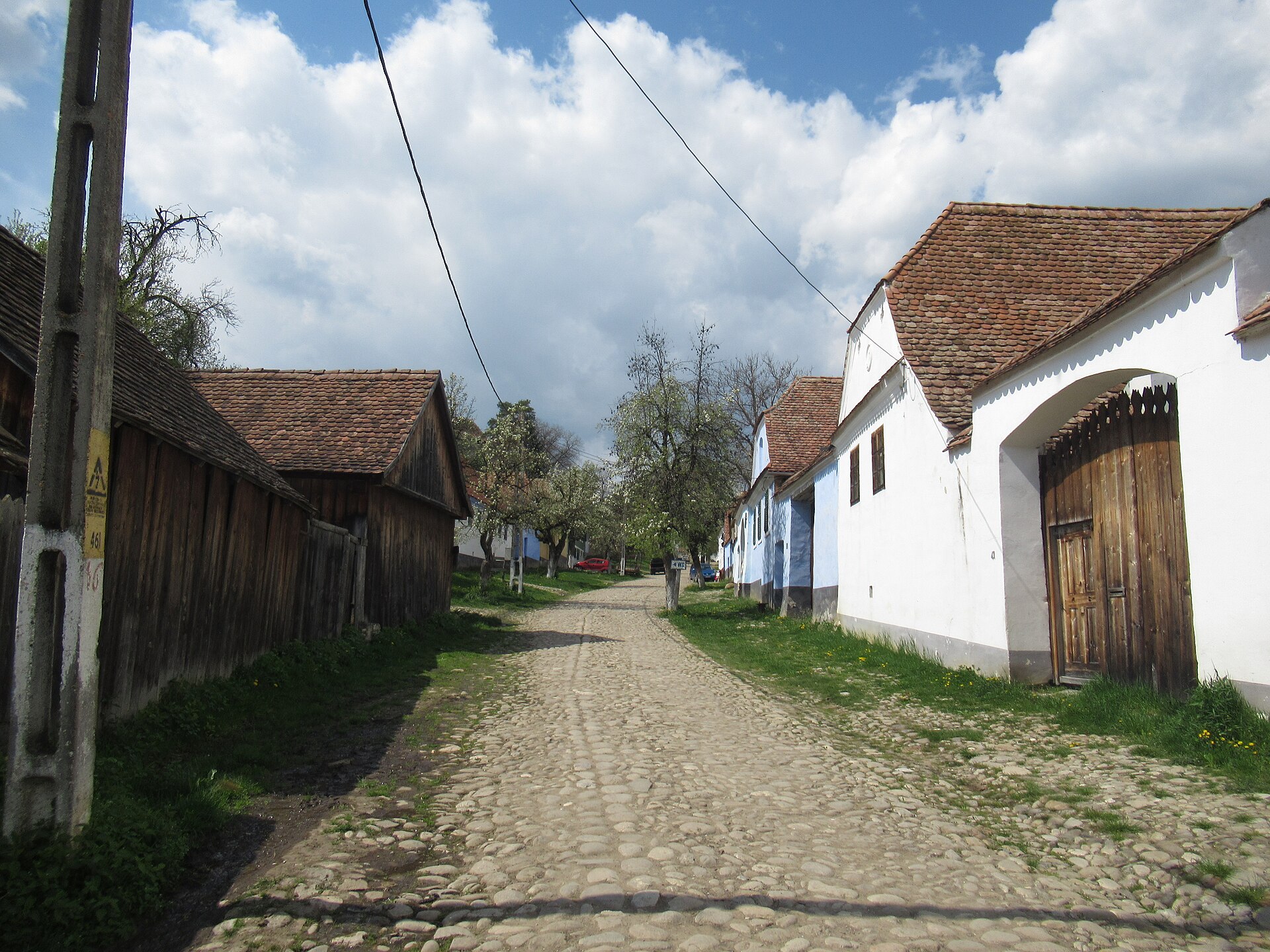
Viscri and its fortified church
Viscri keeps the rhythm of a Saxon village: whitewashed façades, quiet lanes and a medieval Lutheran fortified church. It belongs to the UNESCO property protecting this cultural landscape, where architecture and countryside read as one story.
Before you go Allow plenty of time from Brașov along secondary roads and park outside the centre where possible; the visit gains meaning when walked slowly and with respect for residents' daily life.
Ideal for For anyone seeking rural heritage, quiet and a first stop that does not depend on grand monuments.
Photo Pylaryx · Wikimedia Commons · CC BY-SA 3.0 RO
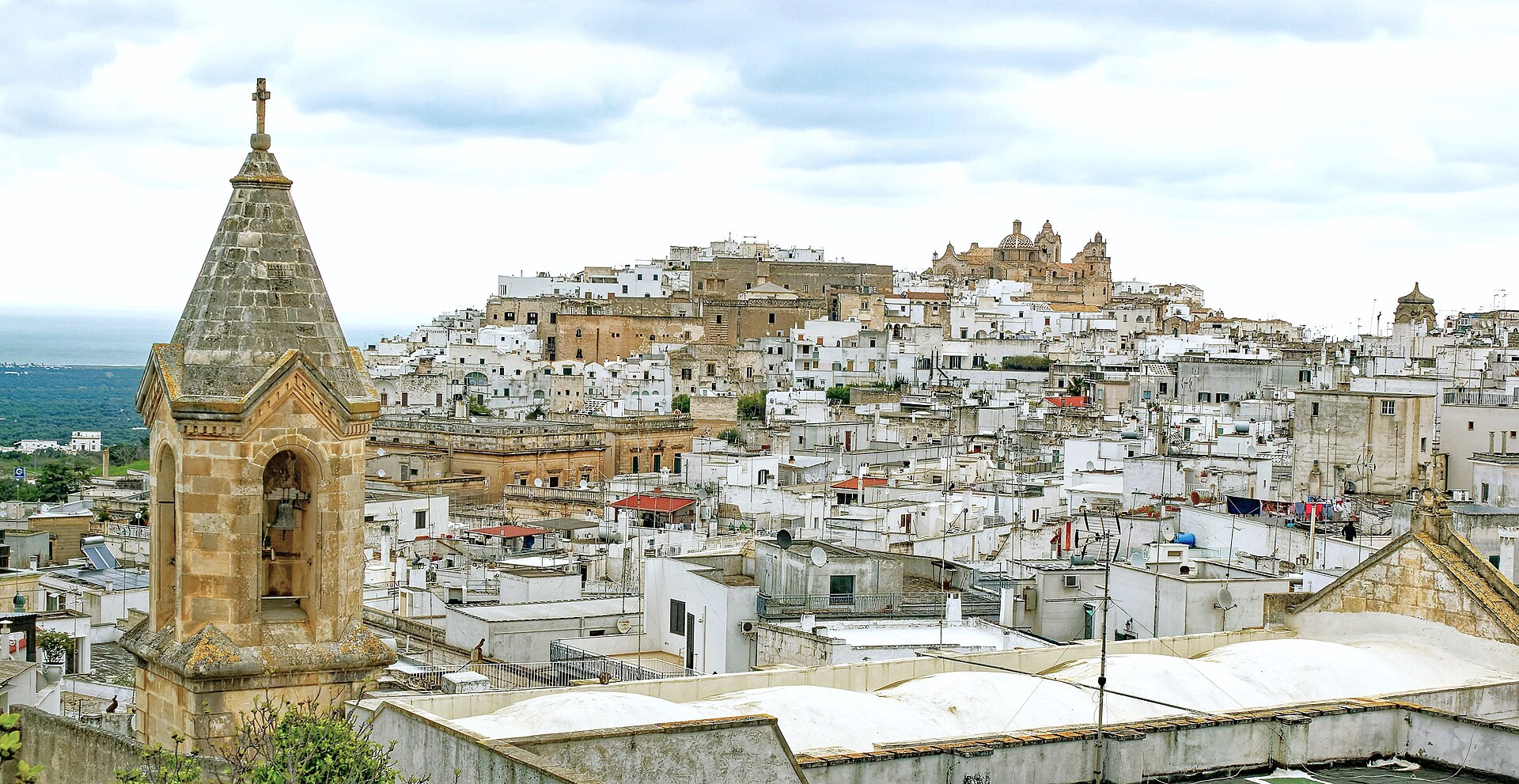
Sighișoara among roofs and walls
Sighișoara's historic centre, inscribed by UNESCO since 1999, preserves the scale of a small fortified medieval town. Its steep streets, towers and craftsmen's houses invite a slow walk rather than a hunt for scenery.
Before you go Set aside a full morning for walking up and down; the best pauses appear in the squares and at the edges of the historic centre, not in a race to tick off towers.
Ideal for For combining urban history, Saxon architecture and quiet cafés in a town made for walking.
Photo MarculescuEugenIancuD60Alaska · Wikimedia Commons · CC BY-SA 2.0
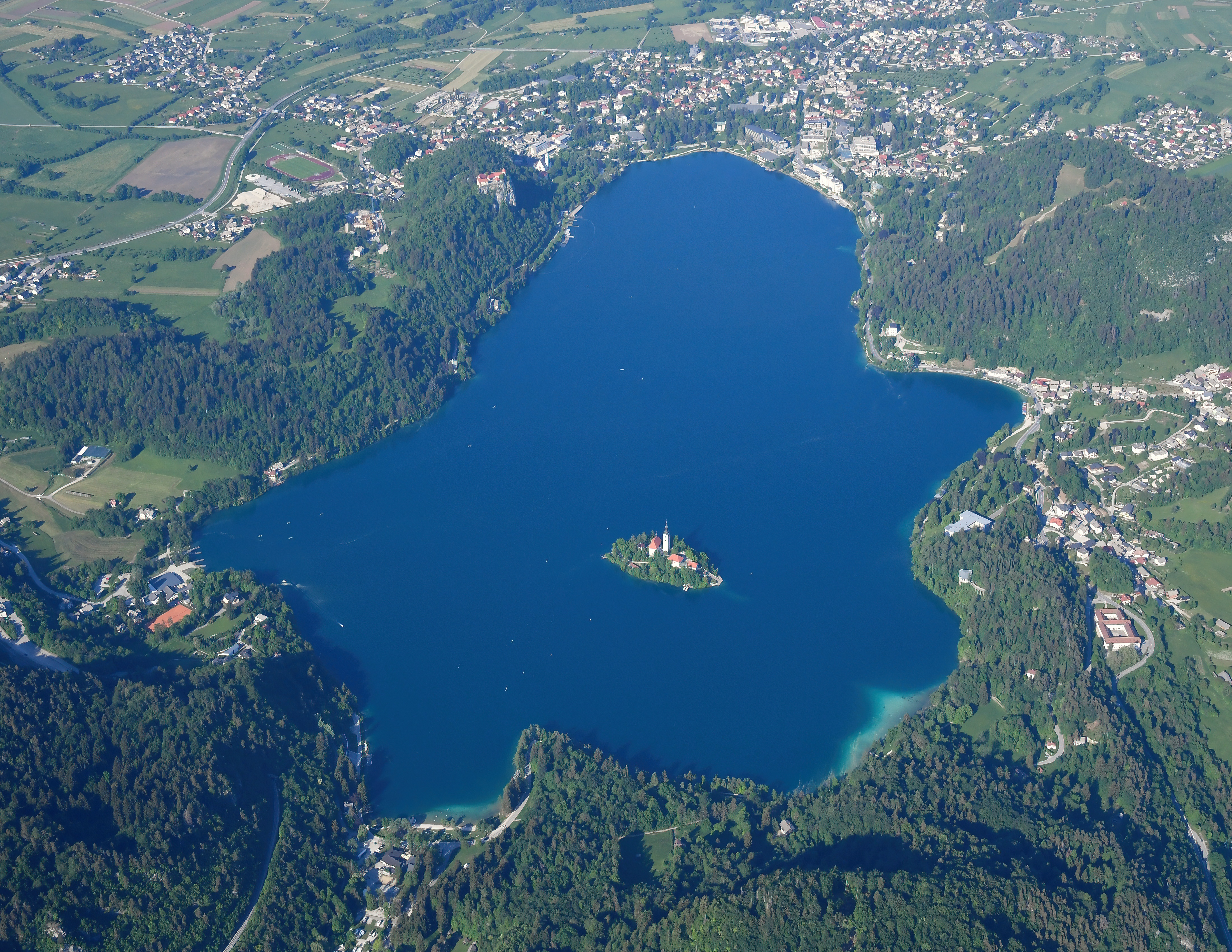
The forests of Bistrița-Năsăud
Bistrița-Năsăud County opens a slow transition between the Transylvanian plateau and the Țibleș, Rodna, Bârgău and Călimani mountains. The reward lies in the landscape beside the road, changing light and stretches of forest.
Before you go Treat the route as a secondary-road drive with flexible stops; avoid rigid timings and check road conditions before heading into mountain areas.
Ideal for For travellers who prefer driving with room to spare, walking a little and observing the terrain rather than chaining attractions together.
Photo Cristian Bortes · Wikimedia Commons · CC BY 2.0
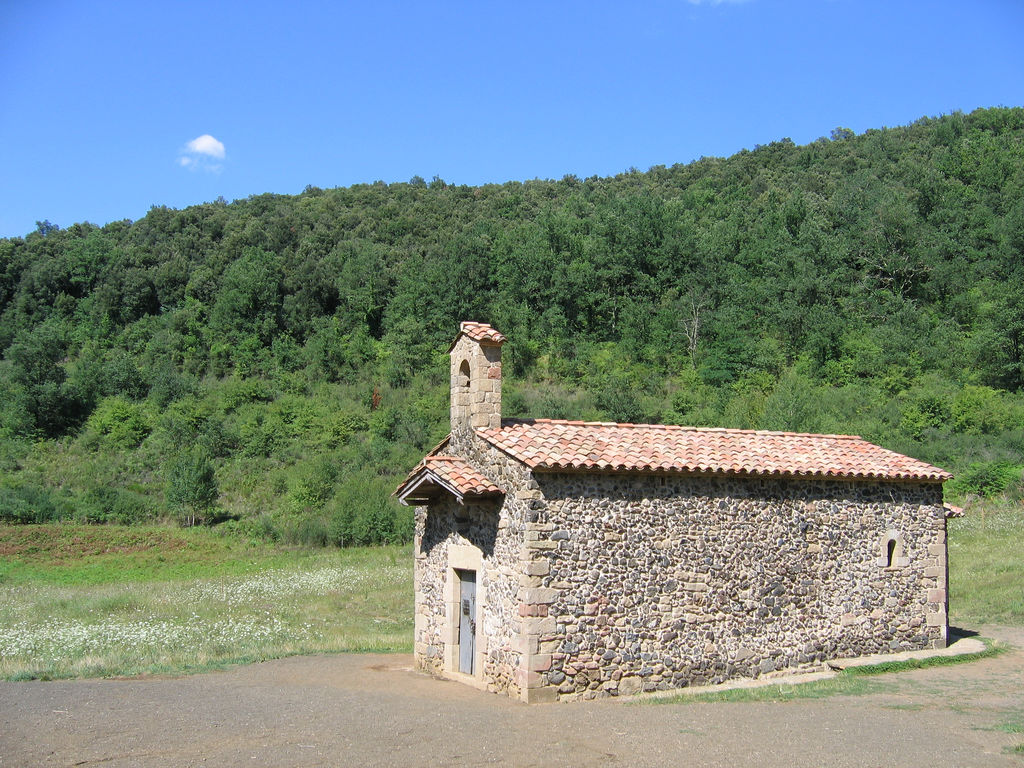
Mocănița Maramureș
Mocănița Maramureș gives the journey its final gesture: a narrow-gauge railway crossing the landscape at a kindly pace. The train is not only a way to travel but a way to recover attention and listen to the forest.
Before you go Check schedules, seasons and booking conditions directly before travelling; the dossier sets no prices or departures because they can change.
Ideal for For ending the route with a slow railway experience and a different view of the Maramureș valleys.
Photo Jan Pešula · Wikimedia Commons · CC0| Place | Suggested day | Good to know |
|---|---|---|
| Viscri | Day 1: arrival and village walk | The church and village are best enjoyed slowly and with respect for local residents. |
| Sighișoara | Day 2: historic centre and a night in town | The centre has steep sections; bring comfortable shoes and leave time to stop. |
| Bistrița-Năsăud | Day 3: secondary road and forest | Leave room for the drive: the landscape matters more than the stopwatch. |
| Maramureș | Day 4: narrow-gauge railway journey | Check Mocănița's operation before planning the day. |
Rural bases for a pause
Three properties with canonical listings and verified images in Viscri.
Accommodation links may be affiliate links; the price for you does not change.
Viscri 195
Viscri 195 offers an intimate base in Viscri, close to the Saxon landscape and well placed for unhurried walks. Its images show rustic bedrooms, a bathroom and a set table, creating a homely, restrained atmosphere.
The canonical Booking.com listing is for Viscri 195 in Viscri and is linked to its four signed images. Together they suggest a simple stay after exploring the village and fortified church; always confirm availability, conditions and services directly on the listing before booking.
View accommodationAzuria Viscri
Azuria Viscri offers a stay shaped by timber, light and a visual connection with the village. The canonical listing shows the property from above, an attic bedroom, the kitchen and a courtyard: enough clues for a calm, homely base.
The property is identified on Booking.com as Azuria Viscri and retains four images from that listing. The under-eaves bedroom, wooden kitchen and courtyard complement the aerial view of the accommodation; check dates, services, house rules and conditions on Booking before confirming.
View accommodationViscri 9
Viscri 9 combines a rural courtyard with attic-style interiors for a simple stay in the village. Its images show the traditional building, a bedroom with a window, a bathroom and a sitting room: a coherent sequence for resting after exploring the area.
The canonical Booking.com listing identifies the accommodation as Viscri 9 and provides four signed images of the property. The courtyard, attic room and sofa-filled sitting room make it a homely base; check availability, included services and booking policy on the official page.
View accommodationListing and images verified on 31 July 2026
Choose your own pace
Four landscapes, four bases and no obligation to see everything.
Viscri and Bunești
Practical base Viscri, Brașov
This is the base for entering Saxon Transylvania without noise. Viscri belongs to Bunești commune and brings together a medieval Lutheran fortified church with a village of pale façades, orchards and lanes that still maintain a direct relationship with the countryside. Walk without entering courtyards or photographing people without permission. The village asks for a long morning, a simple meal and a willingness to notice details: a painted door, a tower, the pattern of the landscape behind the roofs. It is a beginning that replaces collecting sights with closer attention.
Choose it if Choose Viscri if you want to begin with rural heritage, human scale and a genuine pause before entering busier towns.
Medieval Sighișoara
Practical base Sighișoara
Sighișoara works as an urban counterpoint. Its historic centre, inscribed by UNESCO since 1999, preserves the memory of a small fortified town of Saxon craftsmen and merchants. Climb the citadel streets, look for perspectives between the roofs and alternate towers with rests in the squares. There is no need to turn every corner into an explanation: simply notice how walls, houses and terrain organise urban life. At dusk, when groups thin out, the historic centre regains a special intimacy and the façades change with the light.
Choose it if Choose it if you are interested in living medieval architecture, walking without a car and combining history with an evening of cafés and conversation.
Bistrița-Năsăud and its mountains
Practical base Bistrița
Towards Bistrița-Năsăud, the route opens out. The Transylvanian plateau gives way to territory marked by the Țibleș, Rodna, Bârgău and Călimani mountains. The interest is not in promising one particular postcard, but in following the changing relief: fields folding away, woodland, villages separated by bends and light that makes distance visible. Choose a secondary road only when conditions allow, stop in safe places and accept that some plans take longer. The landscape rewards flexibility and a less anxious gaze.
Choose it if This is your area if roads, forests and terrain appeal as much as monuments and you want to drive with room to spare.
Maramureș by rail
Practical base Vișeu de Sus
Mocănița Maramureș introduces another way of measuring time. This narrow-gauge railway is included as an itinerary experience, not a promise of a fixed timetable. Consult official information before travelling and shape the day around the season and available departures. Once aboard, the rattle, smoke and forest create a pause unlike the road. The train lets you look without searching for the next turn and understand travel as part of the destination. It is a sensory, simple and deliberately slow ending.
Choose it if Choose this ending if you want transport to become an experience and to close the journey with forest, rails and fewer screens.
Three bites for taking a pause
The route is also understood through hands, ovens and a shared table.

Sarmale
Sarmale—stuffed cabbage rolls served with sour cream—capture a cuisine of gathering and patience. Try a homemade version when it appears on a local table and let the dish set the pace: hot, hearty and meant to be shared, not eaten hurriedly between two visits.
Photo Chainwit · Wikimedia Commons · CC BY 4.0
Papanași
Papanași arrive as a generous dessert: cheese doughnuts, sour cream and berries in a combination that balances sweetness and acidity. They make a good pause after walking through a citadel or returning from the countryside, especially when shared over a long conversation rather than treated as another item on the programme.
Photo Stuhrchacz · Wikimedia Commons · CC BY-SA 4.0
Kürtőskalács
Kürtőskalács is recognised by its hollow-cylinder shape and golden surface, baked around a roller. Eat it fresh when you find one at a market or roadside stop, letting its toasted aroma accompany the walk. It is a sweet regional reference and a small ceremony for cold hands.
Photo Leszek Leszczynski · Wikimedia Commons · CC BY 2.0Eat slowly: lingering at the table is part of the map.
Five days to slow down
A flexible outline that leaves room for roads and landscape.
- Day 1
Brașov to Viscri: arrive unhurriedly, walk through the Saxon village, visit the fortified church respectfully and leave time to observe the landscape and daily life.
- Day 2
Viscri to Sighișoara: take the secondary road, walk through the medieval historic centre, rest in its squares and spend a night among the roofs.
- Day 3
Sighișoara towards Bistrița-Năsăud: follow the plateau, forests and mountains, with flexible stops and no invented travel times.
- Day 4
Continue towards Maramureș: combine driving with local food, rest on arrival and check the railway operation directly before planning the next day.
- Day 5
Mocănița Maramureș: enjoy the narrow-gauge journey and its unhurried close; leave the return until the landscape has said goodbye and do not rush to the next screen.
When the train pulls away, the route continues in memory.