Courtyards, workshops and avenues
Marrakech is larger than a collection of riads or a sequence of sensations. Founded by the Almoravids in the eleventh century, the medina remains an inhabited fabric where mosques, fondouks, bakeries, shops and homes share narrow streets. Southward, Kasbah and Mellah hold layers of power and memory; beyond the walls, gardens and Gueliz belong to the contemporary city.
Orientation begins before walking: agree a gate or square with the riad, keep a chain of landmarks and remember that a working lane is not a visitor corridor. Craft, gardens, the table and rest belong to one inhabited city rather than a sequence of scenes.
Finding your way through the medina without consuming it as a maze
- Ask the accommodation for an accessible meeting point and keep the name of the nearest gate.
- Use Koutoubia, Jemaa el-Fna, Ben Youssef and the gates as successive landmarks; GPS does not interpret every passage.
- Make room for residents, carts and motorcycles, and ask before photographing people or work.
- Agree price and scope before accepting a guide, porter or any other service.
Craft and districts with their own names
The medina works and lives; heritage neither erases current labour nor the city beyond the ramparts.
Medina, souks and Jemaa el-Fna
Between Ben Youssef, the souks and Jemaa el-Fna, heritage sits beside production and everyday trade. UNESCO protects both the medina and the square’s cultural space, where storytelling, music, food and meeting change through the day. Watch that rhythm without treating performers, traders or residents as a cast. Begin in the morning around Ben Youssef and follow recognisable walking axes. Put the phone away in congested lanes, agree a service price first and request portraits explicitly. Return to the square near dusk and choose a rooftop whose prices and conditions are clear.
Kasbah, Mellah and southern palaces
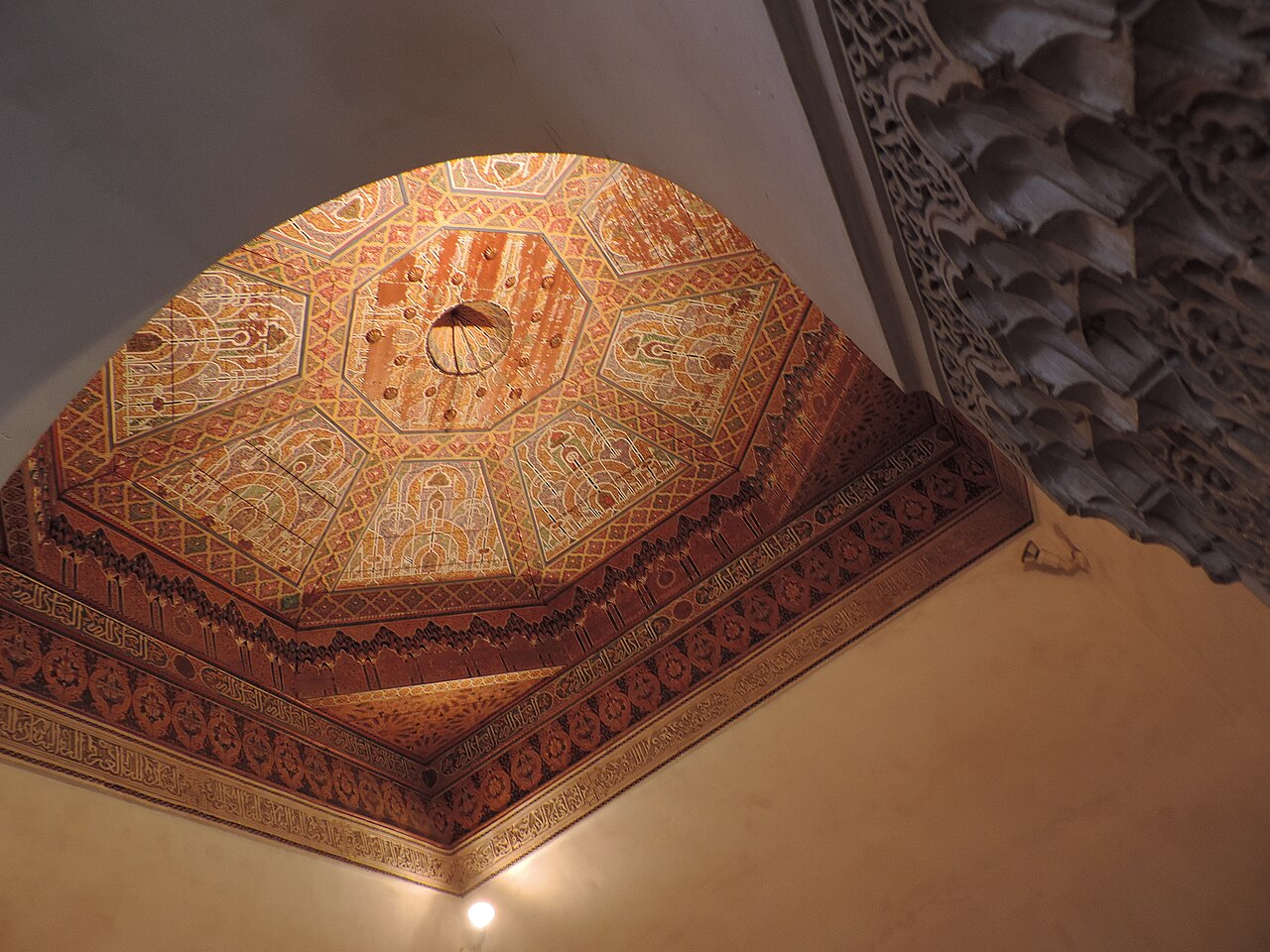
The southern medina links the Kasbah Mosque, Saadian Tombs, El Badi and Bahia palaces, Mellah streets and neighbourhood markets. It is not a separate theme park: Saadian, Alaouite, Muslim and Jewish histories demand precise names and enough time to read courtyards, ruins and present uses. Group two monuments rather than four and check official opening information that day. Religious spaces may restrict entry; dress respectfully and keep doorways clear. Walk the Mellah without freezing a living community into a simplified past.
Gardens, water and design
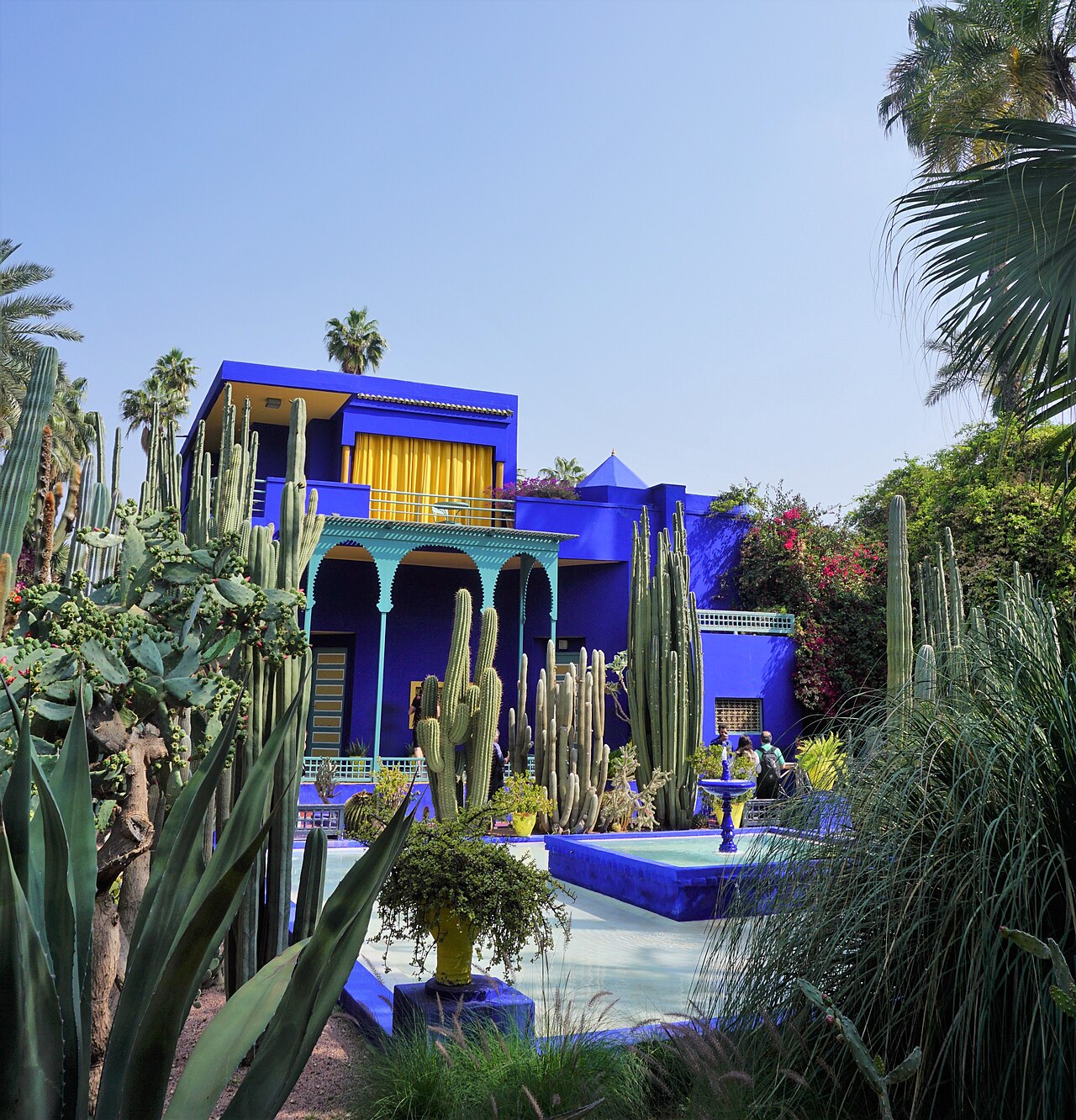
Menara, Agdal and Majorelle reveal different relationships between shade, irrigation, cultivation and design. UNESCO includes Menara and Agdal in Marrakech’s historic landscape; Majorelle is a managed twentieth-century artistic garden. None is an empty oasis: each has capacity, maintenance and water demands. Book Majorelle only through its official channel. Visit Menara outside the hottest hours with drinking water, and verify Agdal access because it can vary. Do not add Palmeraie as a drive-by attraction when there is no time to understand its changing landscape.
Gueliz, design and contemporary life
Gueliz avenues, Carré Eden and cultural venues show a Marrakech shaped after the protectorate and active today. Cafés, bookshops, galleries and design workshops share a district with traffic and housing, correcting the notion that the city ends at the ramparts. Arrive by official taxi or walk from Bab Nkob when heat allows. Choose one or two cultural stops, leave room for side streets and agree meter or fare before the ride. Dinner here offers a different dining rhythm from the medina.
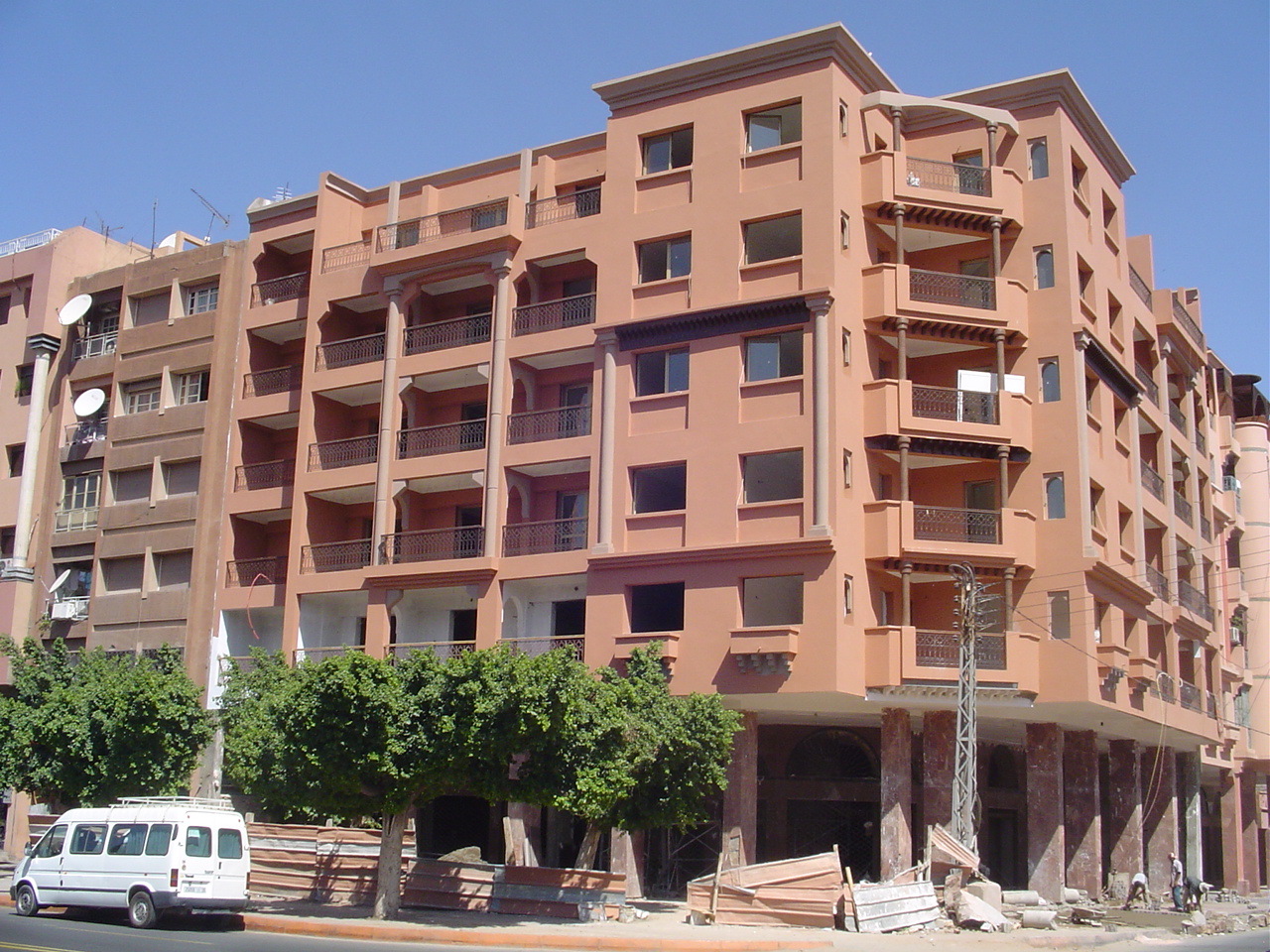
Modern garden and urban avenue
Two located and credited views: Majorelle and Gueliz.
Marrakech at the table: technique before scenery
Ask what the kitchen prepares, how it is shared and what it costs before ordering.
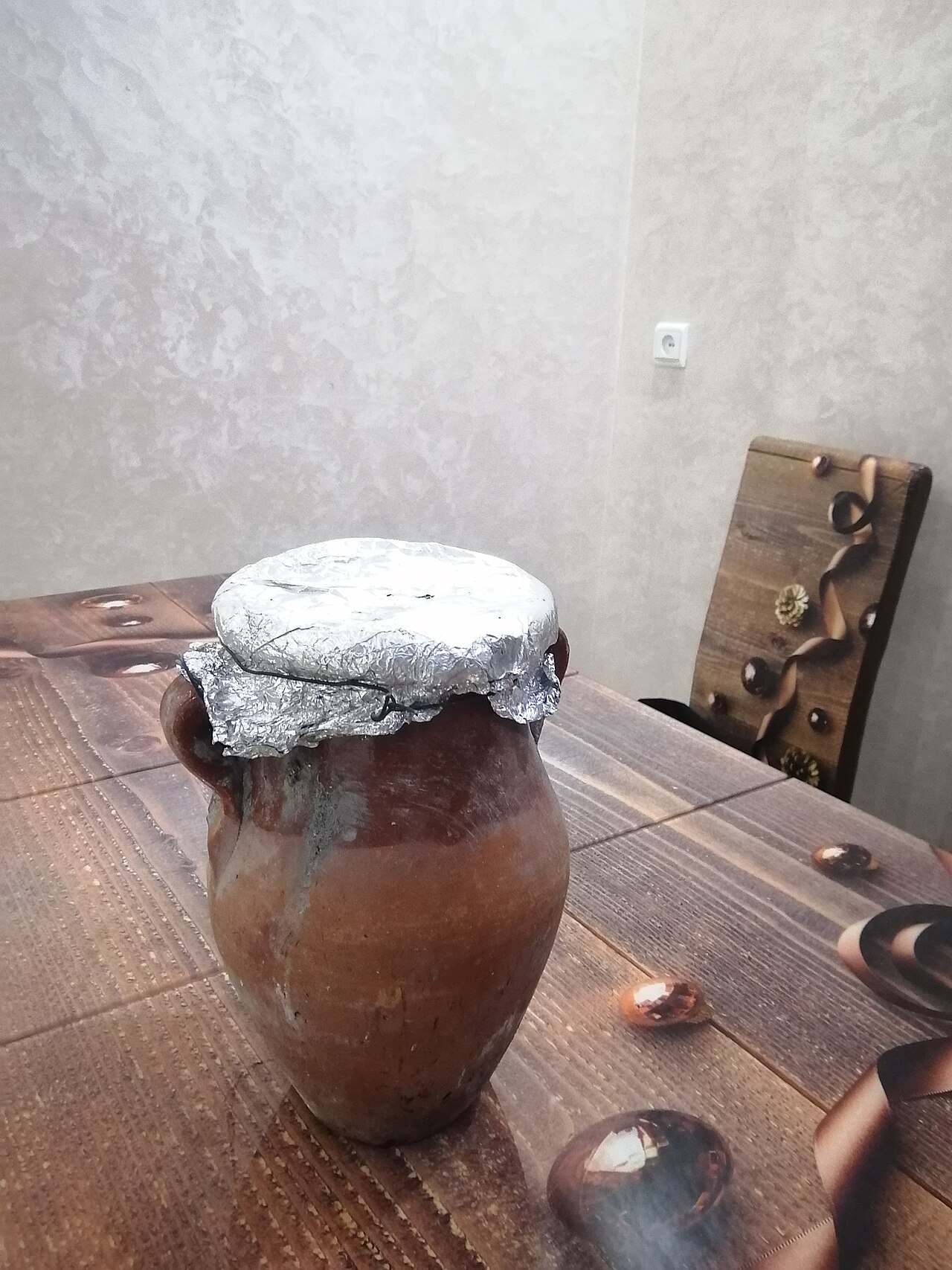
Tanjia marrakchia, vessel and time
Tanjia belongs especially to Marrakech: meat, preserved lemon, spice and fat cook slowly in an earthenware jar, traditionally using residual oven or hammam heat. Ask about size, ingredients and timing; sharing it where the process is explained matters more than treating the vessel as a prop.
Salads, tagines and couscous
Meals may open with cooked and fresh salads before a tagine; couscous keeps strong family and Friday associations even when restaurants serve it on other days. Morocco has no single uniform cuisine, so ask for the house speciality, product origin and portion instead of ordering an endless checklist.
Tea, bread and measured sweetness
Green tea with mint expresses hospitality, yet in shops and cafés it is also a priced order. Bread is shared; msemen, ghriba and gazelle horns have different techniques and occasions. Accept or decline politely, ask before photographing and never confuse hospitality with a free service.
Three ways to protect time for rest
Where you sleep changes the route: compare a walk home, car access and peripheral transfers.
Northern medina
- Early access to souks and monuments makes a midday return possible. Cars cannot reach many lanes and the final section is on foot; request an exact meeting point and do not expect complete silence.
- The final approach is often pedestrian and neighbourhood activity continues throughout the day.
Choose this base if you want to walk, accept pedestrian logistics and value the medina’s changing daily rhythm.
Gueliz
- Avenues, contemporary dining, the station and taxis are easier here. The medina requires a walk or ride, but the base balances heritage with galleries, shops and contemporary evening life.
- Every medina visit needs a transfer, although arrival by car is more direct.
Choose Gueliz if lift and car access matter more than sleeping inside a riad.
Palmeraie
- Garden hotels provide space but sit outside the walkable city. Every urban day needs a transfer that traffic may extend, so it suits travellers comfortable with taxis or hotel transport.
- Transfers depend on traffic and make repeated trips into the centre impractical.
Choose Palmeraie if pool and garden outweigh independence and you do not plan repeated trips into the centre.
Three real bases, three relationships with the city
A riad, a garden retreat and an urban hotel are presented by location; check exact terms on Booking.
Booking.com attribution through the CJ network is active. Links marked as sponsored may generate a commission for Vagamora if a booking is completed, at no extra cost to the user.
Riad Kniza
An eighteenth-century traditional riad near the western medina, with courtyards, pool and shared rooms documented on its listing. It allows walking into the souks, while the exact last-mile access and room category need confirmation.
Check accommodationLes Deux Tours
A hotel in a three-hectare Palmeraie park, with gardens, pool and low-rise rooms shown on its verified listing. This is a peripheral retreat, not a walkable base for stacking city monuments.
Check accommodationRadisson Blu Marrakech, Carré Eden
A contemporary Gueliz hotel beside Carré Eden, with rooms, pool, restaurant and vehicle access shown by Booking. It supplies an urban base distinct from a medina courtyard.
Check accommodationInstitutional sources for planning the visit
Recheck opening, reservations and current conditions with the responsible organisations.
- UNESCO · Medina of Marrakesh
UNESCO record for the medina, its urban heritage and included historic gardens.
- Jardin Majorelle
Official Jardin Majorelle channel for visitor and booking information.
- Visit Morocco · Marrakesh
Moroccan National Tourism Office portal for Marrakech.
- Visit Marrakech
Marrakech-Safi Regional Tourism Council portal.